Why WPC Decking Has Become a Core Material in Modern Outdoor Engineering Projects
Enhanced Engineering-Focused Article: WPC Decking for Outdoor Projects
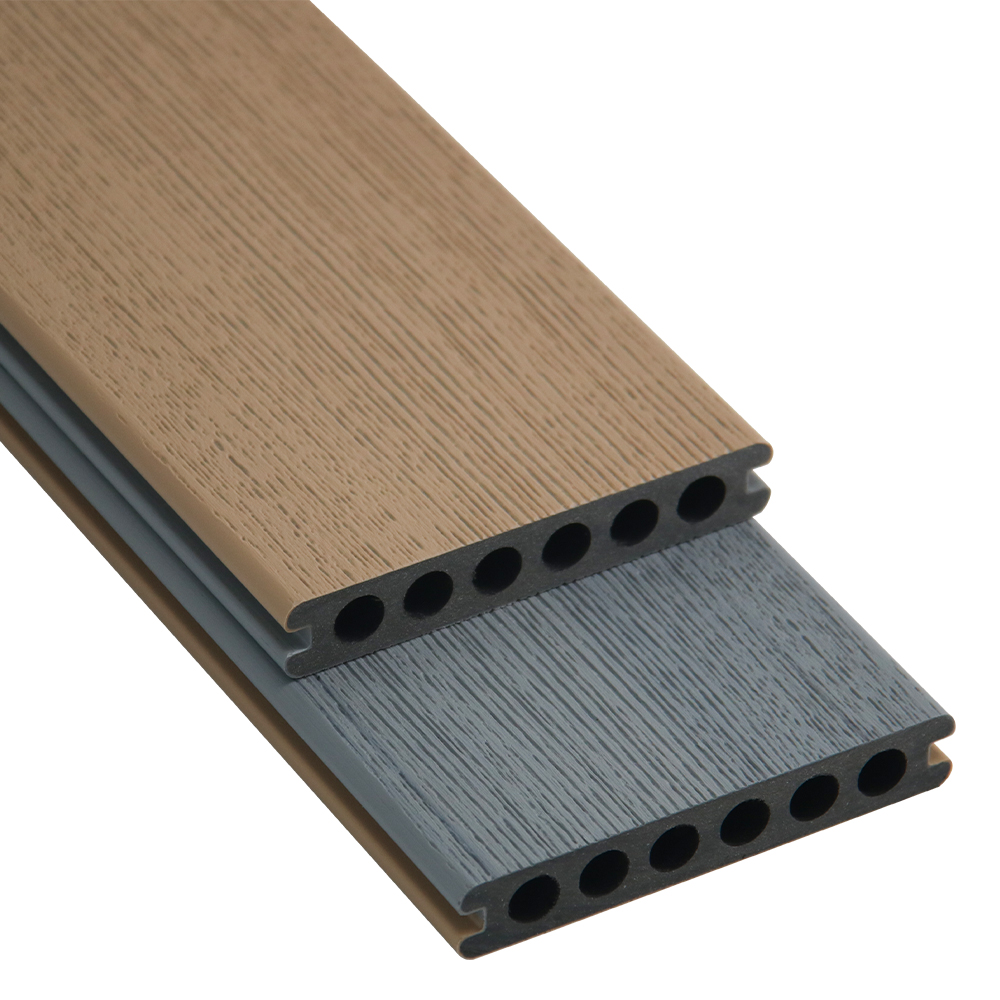
WPC (Wood Plastic Composite) decking has rapidly become one of the most essential building materials in outdoor engineering construction, especially in projects that require long-term durability, stable performance, and low maintenance. By combining wood fibers with recyclable polymers, WPC decking offers the warm, natural aesthetic of timber while delivering structural reliability suitable for public facilities, hospitality spaces, municipal landscapes, and high-traffic commercial environments.
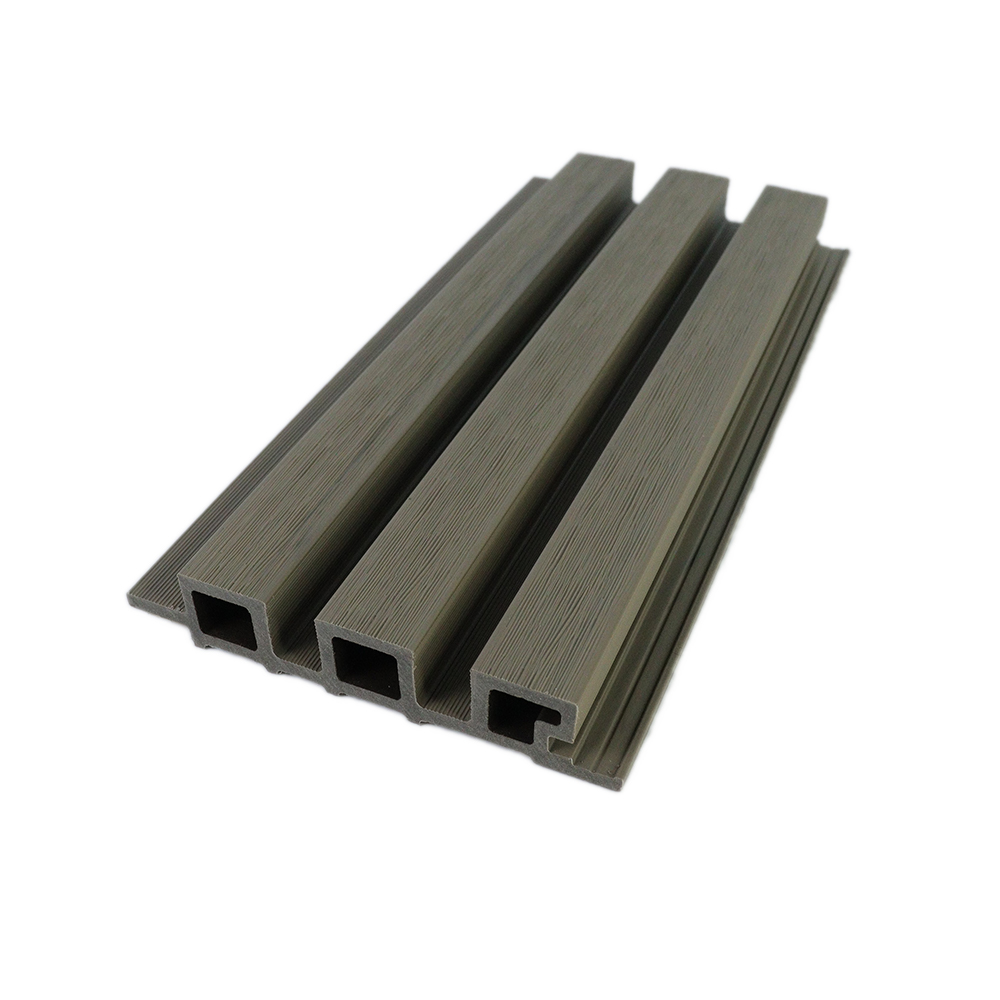
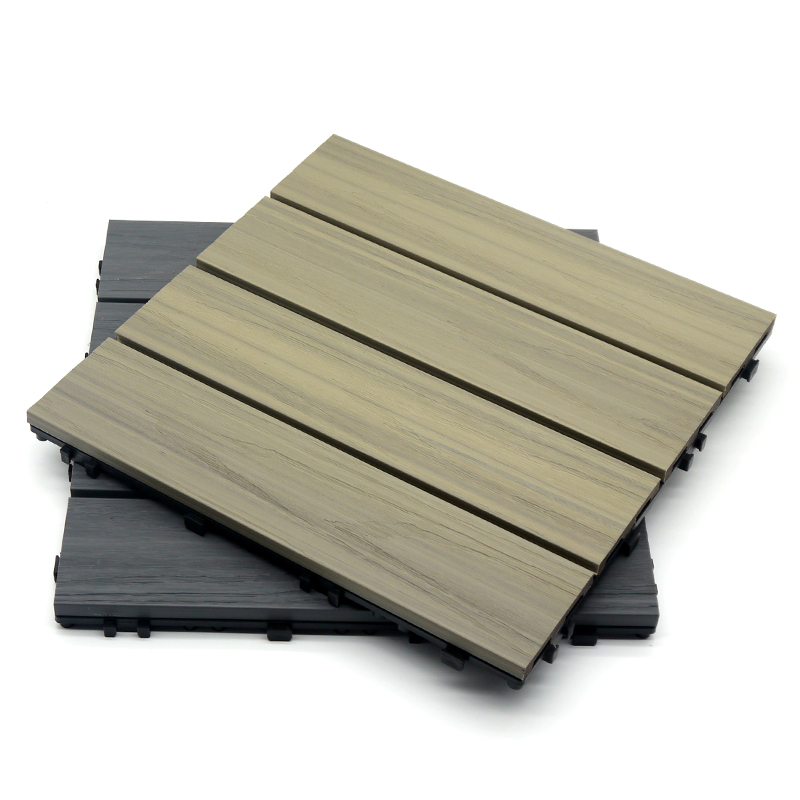
Today, WPC decking is widely used in municipal parks, hotel poolside platforms, private villa gardens, coastal pedestrian corridors, school recreation zones, and outdoor commercial plazas. Its range of colors, 3D woodgrain options, and slip-resistant surface textures allow designers and engineers to integrate the material into different architectural styles—from contemporary resort decks to natural landscape walkways.
In coastal cities and humid regions, moisture resistance has become one of the most valuable advantages of WPC decking. A recent waterfront reconstruction project in a Southeast Asian tourism district highlights this benefit clearly. The original hardwood boardwalk deteriorated within two years due to constant tidal impact, salt spray, and strong UV radiation. After replacing the walkway with WPC decking, the structure has remained stable for over three years—its surface maintains consistent color, and no warping or cracking has occurred. According to the project’s maintenance team, annual upkeep costs have dropped significantly, allowing the city to reallocate resources to other public facilities.
Another practical application can be seen in public-school infrastructure upgrades. In several school playground renovation projects, aging wooden decks were replaced with WPC decking to improve safety and reduce long-term maintenance. After installation, facility managers noted that even with high daily foot traffic from students, the deck required only periodic cleaning with water. The surface remained splinter-free, crack-resistant, and anti-slip—greatly improving safety during rainy seasons and eliminating the need for chemical treatments or seasonal sealing.
Environmental responsibility is another reason WPC decking is favored by government-led construction projects. Because it is manufactured from recycled wood fibers and plastics, the material supports sustainable development goals and reduces the demand for natural timber. Public parks, riverside greenways, and residential community upgrades increasingly adopt WPC decking not only for its durability but also for its environmental compliance. With no heavy-metal additives and zero formaldehyde release, the material remains safe for public use, including areas frequented by children and pets.
Beyond performance, WPC decking offers project contractors predictable installation efficiency. Its modular design, concealed fastening systems, and high dimensional stability shorten outdoor construction timelines. In a recent hillside villa project in Southern Europe, contractors used WPC decking for a multi-level terrace system. Despite temperature fluctuations between day and night, the boards maintained tight alignments, allowing the project to be completed two weeks earlier than initially planned.
Overall, WPC decking is more than an attractive surface material—it is a dependable engineering component. Its weather resistance, moisture stability, long service life, slip resistance, and eco-friendly nature make it a preferred choice for outdoor infrastructure worldwide. From waterfront promenades and hotel terraces to community recreation platforms and residential balconies, WPC decking delivers consistent long-term performance while minimizing environmental impact and maintenance requirements.