Commercial interior wall cladding: why wpc wall panels are the better choice
Why WPC Wall Panels Are Ideal for Commercial Interiors
Introduction
WPC wall panels have become an increasingly popular interior wall cladding solution for commercial spaces such as hotels, offices, retail stores, shopping malls, and public buildings. Compared with traditional materials like painted drywall, wallpaper, or MDF panels, WPC (Wood Plastic Composite) wall panels offer a more durable, low-maintenance, and design-flexible alternative.
For contractors, interior designers, and project developers, material selection is not only about aesthetics but also about long-term performance, installation efficiency, maintenance costs, and overall lifecycle value. In modern commercial interiors where durability and visual consistency are critical, WPC wall panels are widely used as a practical and scalable solution.
Durable and Low-Maintenance Surface Solution
Commercial interiors experience high foot traffic and frequent contact, which places significant demands on wall materials. Interior WPC wall panels are designed with strong surface durability, offering resistance to scratches, moisture, stains, and everyday impact.
Unlike traditional painted walls, which are prone to chipping, fading, and require periodic repainting, WPC panels maintain their appearance over time with minimal maintenance. Similarly, compared to wallpaper, which may peel or discolor in humid environments, WPC panels provide a more stable and long-lasting surface solution.
In environments such as hotel corridors, office lobbies, and retail interiors, where wall surfaces must remain visually consistent and clean, WPC panels significantly reduce maintenance cycles and long-term refurbishment costs.
Consistent Appearance and Modern Design Flexibility
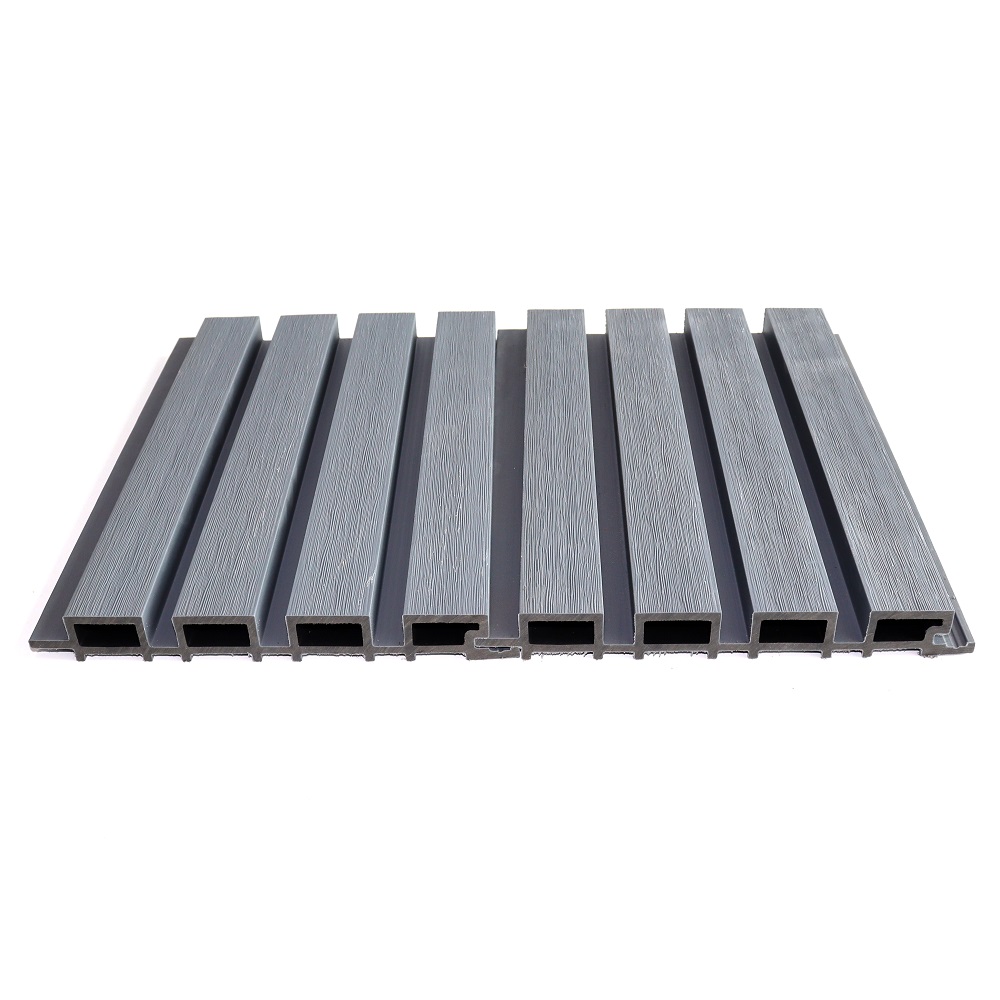
One of the key advantages of WPC wall panels is their wide range of design options. They are available in multiple textures, colors, and surface finishes, including natural wood grain effects and contemporary linear profiles such as fluted wall panels (commonly referred to as Great Wall panels).
This design flexibility allows architects and interior designers to create modern, high-end interior environments while maintaining visual consistency across large wall areas. The uniformity of color and texture ensures a cohesive look, which is especially important in commercial projects that require standardized design across multiple floors or locations.
Additionally, WPC wall panels can be used in combination with lighting features, metal trims, and other decorative elements to achieve customized interior design concepts suitable for different commercial branding requirements.
Installation System and Efficiency
Modular Installation Structure
WPC wall panels are typically installed using a modular system that includes clips, tongue-and-groove connections, or direct fixing methods. This installation approach simplifies the construction process and reduces the need for specialized surface preparation.
Compared to traditional wall finishing systems that involve plastering, sanding, painting, or wallpaper application, WPC panels can be installed directly onto substructures such as battens or wall frames. This significantly improves on-site efficiency and reduces dependency on wet trades.
For large-scale commercial projects such as hotels, office buildings, and retail chains, modular installation helps maintain consistent quality while accelerating project timelines.
Reduced Labor and Construction Costs
Because WPC wall panels do not require post-installation finishing such as painting or coating, overall labor requirements are reduced. The installation process is cleaner, with less dust, odor, and disruption compared to conventional wall finishing methods.
This is particularly beneficial in renovation projects where minimizing downtime is critical, such as office refurbishments or retail store upgrades. Faster installation and fewer finishing steps contribute to lower labor costs and improved project scheduling efficiency.
Application in Commercial Projects
Interior WPC wall panels are widely used across various commercial and public interior environments, including hotels, office buildings, shopping malls, exhibition centers, airports, and educational facilities.
In a commercial office renovation project in Europe, traditional painted walls were replaced with fluted WPC wall panels to achieve a more modern and professional interior atmosphere. The project benefited from faster installation compared to conventional finishing methods, and the panels provided a uniform appearance across meeting rooms, corridors, and reception areas without requiring additional surface treatment.
In hospitality environments such as hotels and resorts, WPC wall panels are commonly used in lobbies, guest corridors, and dining areas. These spaces require materials that combine aesthetic appeal with durability, as they are subject to continuous use and varying humidity levels. WPC panels perform well in these conditions due to their moisture resistance and stable structure.
Retail and commercial spaces also benefit from WPC wall panels, as they help create branded interior environments while maintaining a consistent visual identity across multiple store locations.
Environmental and Safety Considerations
Sustainability is an important factor in modern construction materials. WPC wall panels are typically manufactured using recycled plastic and wood fibers, helping reduce reliance on natural timber resources and supporting environmentally responsible building practices.
In addition to their recycled composition, many WPC wall panels are designed to meet indoor environmental standards, contributing to improved indoor air quality by minimizing harmful emissions. This makes them suitable for enclosed commercial environments where occupant comfort and safety are priorities.
Depending on product specifications, WPC wall panels can also be engineered with fire-resistant properties to meet commercial building codes and safety regulations. This enhances their suitability for use in public buildings, offices, and hospitality projects where compliance with fire safety standards is required.
WPC wall panels are widely used in commercial interiors because they combine durability, low maintenance, and modern design flexibility. Made from wood plastic composite materials, these panels resist moisture, scratches, and daily wear, making them suitable for high-traffic environments such as hotels, offices, retail stores, and public buildings. Their modular installation system also helps reduce construction time and labor costs, while providing a consistent and high-end visual appearance across large interior spaces.
Conclusion – A Practical Solution for Modern Commercial Interiors
WPC wall panels provide a well-balanced solution that combines durability, aesthetic flexibility, and installation efficiency, making them highly suitable for commercial interior applications.
For developers, contractors, and distributors, WPC wall panels offer a reliable material option that helps reduce maintenance costs, shorten construction timelines, and achieve consistent design outcomes across projects. As demand for high-performance interior materials continues to grow, WPC wall panels are increasingly becoming a preferred choice in modern commercial construction and renovation projects.