Global WPC Ceiling Projects and Design Applications – Modern Engineering Solutions Worldwide
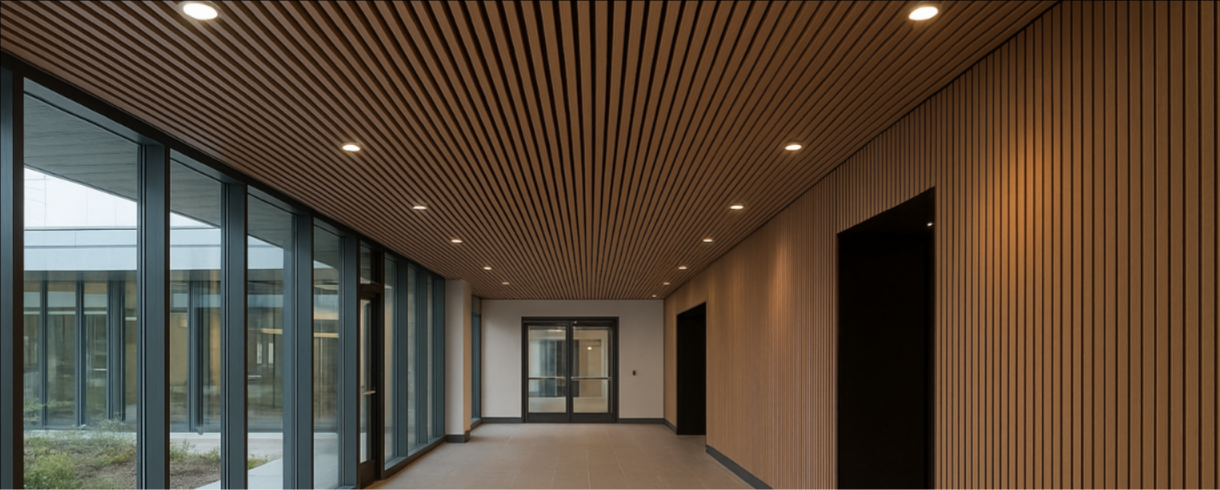
Global Engineering Applications of WPC Ceilings: Design, Durability, and Real Project Cases Across Countries
Wood Plastic Composite (WPC) ceilings are reshaping architectural design across the world. With the construction industry shifting toward sustainable, adaptable, and low-maintenance materials, WPC has become a standard solution for large-scale engineering projects, commercial interiors, and climate-sensitive architectural environments. Whether used in humid coastal regions, luxury complexes, government buildings, or modern residential communities, WPC ceiling systems offer a balance of performance, aesthetics, and cost efficiency that traditional wood materials cannot provide.
This extended report highlights global engineering practices, design trends, and real-world WPC ceiling applications across multiple countries and climate zones.
1. United States – Outdoor Hospitality and Large Commercial Projects
In the United States, WPC ceiling panels have become popular in hospitality and public-use buildings. Cities such as Miami, Orlando, and Los Angeles often incorporate WPC ceilings in outdoor lounges, commercial patios, and shaded walkways because of their UV resistance and color stability.
Engineering Case: Miami Beachfront Resort Renovation
During a resort renovation in Miami, architects faced continuous problems with natural timber ceilings—salt exposure, mold growth, and fading. Engineers chose co-extruded WPC ceiling strips with a weather-resistant shell.
Results included:
- Zero warping despite year-round humidity
- Reduced cleaning requirements for the maintenance staff
- A modern, tropical aesthetic consistent with luxury beach properties
The project has since become a reference case for coastal architectural upgrades in Florida.
2. United Arab Emirates – Luxury Hotels and High-Performance Commercial Interiors
The UAE’s extreme climate—intense sunlight, sand exposure, and high temperatures—creates a demand for thermally stable ceiling materials. WPC has become a preferred choice in Dubai and Abu Dhabi for hotel lobbies, high-end office buildings, and luxury residential developments.
Engineering Case: Dubai Multi-Use Commercial Tower
A large commercial tower in Dubai installed custom slatted WPC ceilings across its lobby and conference floors. The design required a material that could maintain color consistency under strong artificial lighting and withstand 40°C outdoor heat.
The engineering team selected fire-rated WPC ceilings due to:
- Improved thermal performance
- High-end wood texture matching the building’s modern aesthetic
- Minimal maintenance for the building operator
The completed project demonstrates how WPC ceiling materials meet the region's architectural standards for luxury, safety, and durability.
3. Australia – Coastal Homes, Public Pavilions, and Recreational Facilities
Australia’s humid coastal environments and strong UV conditions demand durable materials. WPC ceilings have become popular for outdoor entertainment areas, community centers, and beachfront cafés.
Engineering Case: New South Wales Coastal Community Pavilion
A public pavilion beside the shoreline required a ceiling system capable of withstanding salt spray and rapid temperature changes. Natural timber used previously had suffered severe cracking and color loss.
WPC ceiling panels were chosen because:
- They do not absorb moisture
- They maintain color under UV exposure
- They reduce replacement costs for government-funded buildings
The WPC ceiling installation enhanced the pavilion’s modern appearance and extended its service life.
4. Germany – Sustainable Public Buildings and Acoustic Interior Design
Germany prioritizes environmental responsibility and high building-performance standards. WPC ceilings, made from recycled materials, have gained popularity in eco-friendly public buildings, libraries, and educational facilities.
Engineering Case: Munich Public Library Expansion
During the library expansion project, acoustic performance and sustainability were key requirements. Engineers adopted slatted WPC ceilings with acoustic backing material, allowing for better noise control across reading halls and study rooms.
The WPC ceiling system provided:
- Enhanced sound absorption
- A uniform texture suitable for minimalist German design
- Long-term durability with minimal environmental impact
The project became part of Munich’s municipal green-building initiative.
5. Canada – Schools, Sports Centers, and Transit Facilities
Canada’s cold climate and humidity fluctuations make WPC ceilings a stable alternative to wood. Universities, transport stations, and community gyms often choose WPC due to its insulation properties and dimensional stability.
Engineering Case: Toronto University Renovation
A major university sought materials that could survive cold winters, indoor humidity from HVAC systems, and continuous student traffic. WPC ceilings were installed across laboratory corridors and lecture halls.
Benefits reported:
- Zero cracking during seasonal temperature shifts
- Enhanced acoustic comfort in high-occupancy rooms
- Reduced painting and repair costs for the facilities department
WPC ceilings have since been adopted broadly across the campus.
6. Southeast Asia – Modern Transit Stations, Shopping Centers, and Office Parks
Countries like Malaysia, Vietnam, and Thailand are rapidly modernizing their infrastructure. WPC ceilings are now used in transit stations, airports, shopping malls, and large office parks due to their resistance to tropical humidity.
Engineering Case: Kuala Lumpur Metro Transit Upgrade
A metro station in Kuala Lumpur needed a ceiling material capable of resisting moisture, daily cleaning, and heavy public use. WPC ceiling panels provided the perfect balance of cost and durability.
Project outcomes included:
- Faster installation compared to metal or timber solutions
- Better longevity in humid, crowded environments
- Visual consistency with the station’s modern architectural theme
The project is now part of the region’s ongoing modernization program.
7. China – Large Residential Developments and Commercial Interior Chains
As one of the largest producers of WPC materials, China incorporates WPC ceilings extensively across commercial real estate, chain restaurants, schools, and office parks.
Engineering Case: Chengdu Commercial Plaza
A large commercial plaza installed WPC ceilings across corridors, entrances, and outdoor walkways. Engineers selected co-extruded WPC boards for their fire resistance and color uniformity.
The material reduced construction time and provided a seamless connection between indoor and outdoor areas.
Why WPC Ceilings Are Chosen Worldwide
1. Extreme Weather Resistance
Suitable for hot deserts, coastal areas, humid climates, and cold regions.
2. Low Maintenance & Long Lifespan
No painting, no sealing, no cracking—ideal for government and commercial projects.
3. Architectural Flexibility
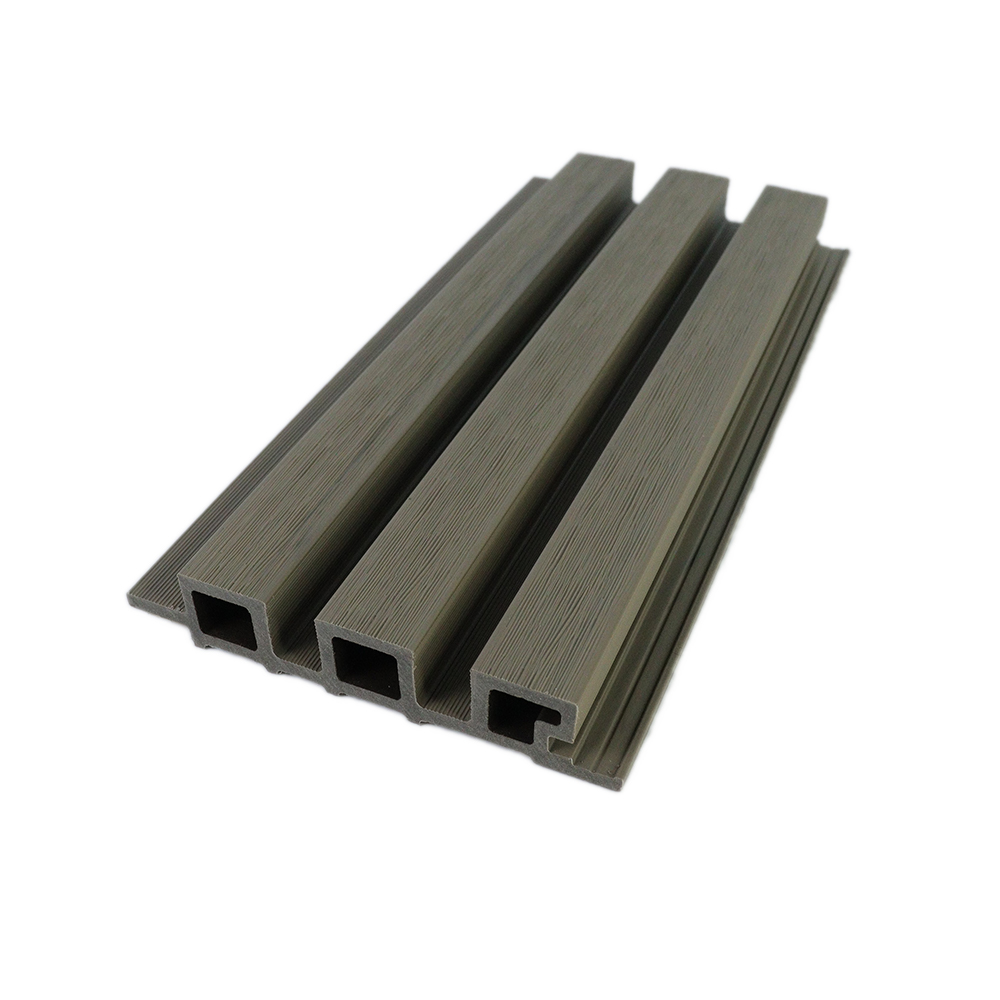
Slatted, strip-type, wide panels, and deep-groove profiles for modern ceiling design.
4. Eco-Friendly Construction
Made from recycled wood fiber and polymers, supporting global sustainability goals.
5. Fast and Clean Installation
Greatly reduces labor costs and project timelines.
Conclusion
From the luxurious hotels of Dubai to eco-friendly libraries in Germany and modern transit hubs in Southeast Asia, WPC ceilings have proven their performance across diverse architectural projects worldwide. Their weather resistance, structural stability, and modern aesthetic make them an ideal choice for engineers and designers seeking long-term value and design flexibility.
As global architecture continues to move toward sustainability and durability, WPC ceiling systems will remain at the forefront of engineering materials used across both public infrastructure and commercial development.
Related Blogs
WPC Wall Panel for Exterior Design – Weather-Proof Cladding for Modern Projects
WPC Pergola Engineering Cases: Global Applications in Landscape Architecture
Composite Decking for Public Spaces – High-Traffic, Long-Life Solutions
Indoor WPC Wall Panel Design Trends in Commercial and Residential Projects