Government Park Walkway Upgrade with WPC Decking Tiles: A Fast and Efficient Transformation
Urban public spaces are critical for enhancing city life, offering residents recreational areas and aesthetic value. Recently, a local government embarked on an ambitious project to revitalize a popular riverside park. The existing walkways, constructed decades ago, were deteriorating—planks were warped, uneven, and prone to water retention, creating safety hazards for visitors. To address these issues, the project team selected WPC decking tiles, a modular, durable, and eco-friendly solution, to completely upgrade the park’s walkways.
Project Background and Challenges
The park in question spans over 5 hectares along the riverbank, with a network of walking paths connecting recreational areas, benches, and viewing platforms. The original wooden boardwalks had suffered from weathering, rot, and occasional vandalism. During peak hours, the uneven surface posed a risk of slips and falls, prompting the municipal authorities to prioritize a fast yet high-quality renovation.
Several key challenges were identified:
- Tight Timeline: The park remained partially open to the public during renovation, so construction needed to minimize disruption.
- Durability Requirement: Walkways needed to withstand heavy foot traffic, seasonal rain, and occasional flooding.
- Aesthetic Consistency: The new surface had to blend seamlessly with the riverside environment while maintaining a modern look.
- Environmental Considerations: The municipality aimed to use materials with low maintenance and minimal environmental impact.
Why WPC Decking Tiles
After evaluating multiple options, including traditional timber and concrete pavers, the project team selected interlocking WPC decking tiles due to several advantages:
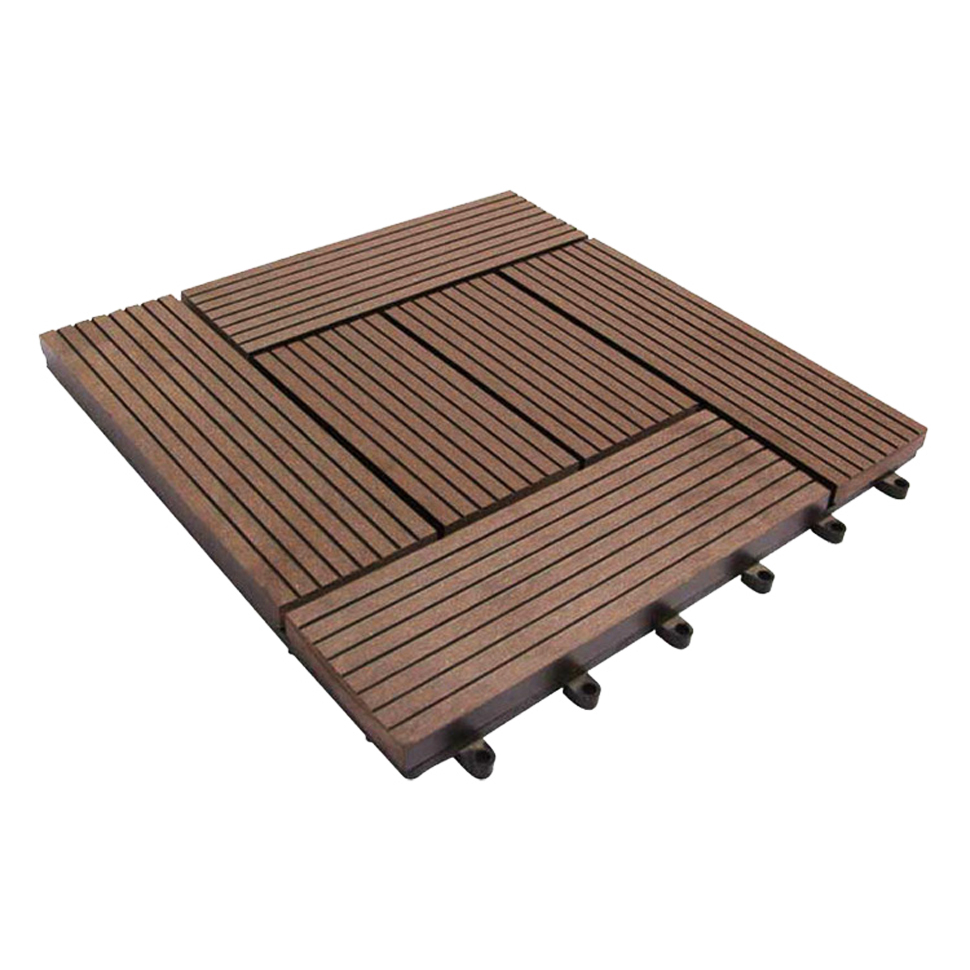
- Quick Installation: Modular tiles could be installed without nails or adhesives, allowing crews to work rapidly in sections.
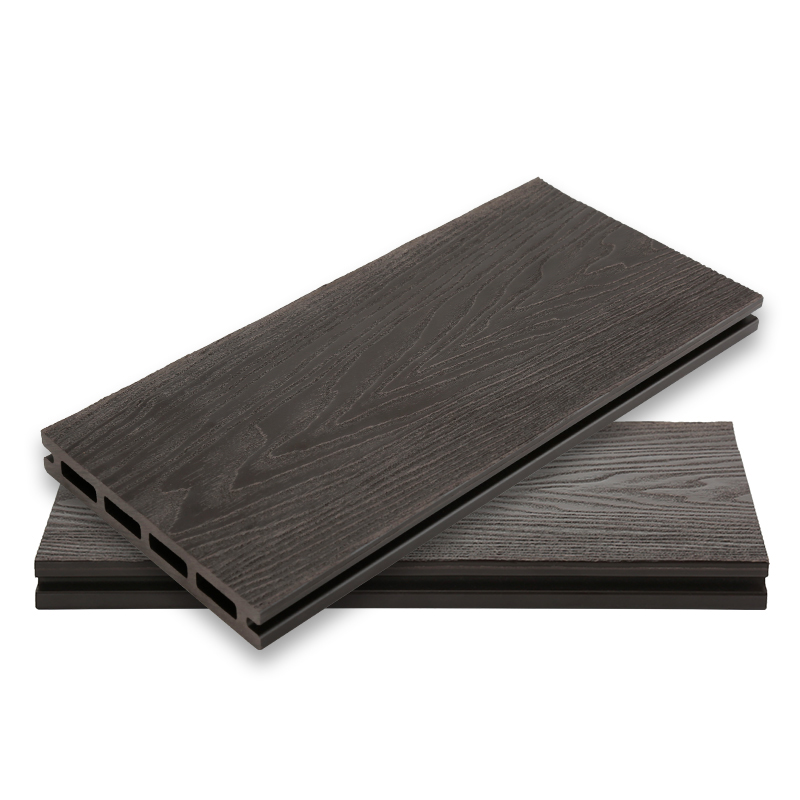
- Durability: WPC (Wood-Plastic Composite) combines natural wood fibers with recycled plastic, making tiles resistant to water, decay, and UV exposure.
- Low Maintenance: Unlike traditional timber, WPC tiles do not require annual staining or sealing.
- Aesthetic Flexibility: Available in various wood-like finishes and colors, the tiles provided a visually appealing walkway that harmonized with the park’s landscape.
- Eco-Friendly: Made from recycled materials, the tiles aligned with the city’s sustainability goals.
Installation Process
The installation process was carefully planned to reduce downtime and ensure high-quality results:
- Site Preparation: Crews first removed the old wooden planks and leveled the ground. Areas prone to water accumulation were graded to improve drainage. A geotextile membrane was laid to prevent soil erosion beneath the decking tiles.
- Modular Assembly: Workers began laying the interlocking WPC tiles along the main riverside promenade. Each tile snapped into place without the need for adhesives or mechanical fasteners. This system allowed for adjustments and precise alignment, ensuring a uniform surface.
- Edge Trimming and Securing: Tiles at curves and edges were cut to fit perfectly using standard saws. Edging profiles were installed to prevent movement and provide a clean finish.
- Final Inspection and Cleaning: After laying all tiles, the team conducted a thorough inspection to ensure stability, correct interlock, and uniform color. The surface was then pressure-washed to remove any dust or debris from cutting.
The modular nature of the tiles allowed the entire walkway—spanning over 1,200 meters—to be completed in just three weeks, a significant improvement over traditional timber decking, which could have taken months.
Project Outcome
The government park walkway upgrade was completed on schedule, earning positive feedback from both municipal authorities and park visitors. Key outcomes included:
- Enhanced Safety: The flat, stable surface significantly reduced trip hazards.
- Aesthetic Improvement: The wood-like texture of the WPC tiles complemented the riverside scenery, giving the park a modern and inviting appearance.
- Reduced Maintenance Costs: Compared to traditional wood, the WPC tiles require minimal upkeep, allowing the park management to allocate resources elsewhere.
- Environmental Benefits: Using recycled materials contributed to the city’s sustainability initiatives.
Additionally, the modular design means individual tiles can be replaced in case of damage, ensuring longevity without large-scale renovation.
Lessons Learned and Best Practices
This project demonstrates several key insights for municipal landscaping and outdoor walkway projects:
- Modular WPC solutions are ideal for fast-track renovations, especially in high-traffic public areas.
- Site preparation is crucial: Proper drainage and leveling prevent long-term issues even with durable materials.
- Edge treatment matters: Clean edges and secure profiles enhance both safety and aesthetics.
- Planning for minimal disruption is achievable when modular systems are used, allowing sections to be completed without closing the entire park.
Conclusion
The WPC decking tiles installation in this riverside park serves as a benchmark for future urban landscape projects. By combining durability, aesthetics, and rapid installation, the municipal team successfully transformed an aging walkway into a safe, eco-friendly, and visually appealing public space. For city planners and contractors, this case study highlights the efficiency and long-term value of modular WPC decking systems in government-funded outdoor projects.