Bamboo Wood Fiber Wall Panels for Hospital Interior Wall Cladding and Medical Facility Design
Bamboo Wood Fiber Wall Panels for Hospital Interior Wall Cladding and Medical Facility Design
Introduction
Healthcare environments such as hospitals, clinics, and eldercare facilities demand interior materials that meet the highest standards for hygiene, safety, and durability. Every surface must be cleanable, resistant to microbial growth, and compliant with strict regulations — without sacrificing comfort or design.
Bamboo wood fiber integrated wall panels offer a compelling alternative to conventional hospital wall systems. Engineered from renewable bamboo and natural fiber composites, these panels are lightweight, antibacterial, non-toxic, and quick to install — making them ideal for high-demand healthcare interiors.
1. Performance Requirements in Medical Wall Systems
Interior finishes in hospitals must meet strict performance standards. They need to be hygienic, easy to disinfect, fire-rated, durable, and visually comforting to patients. Walls in patient rooms, corridors, and operation areas are often exposed to frequent cleaning, disinfectants, and impacts from hospital beds or medical carts.
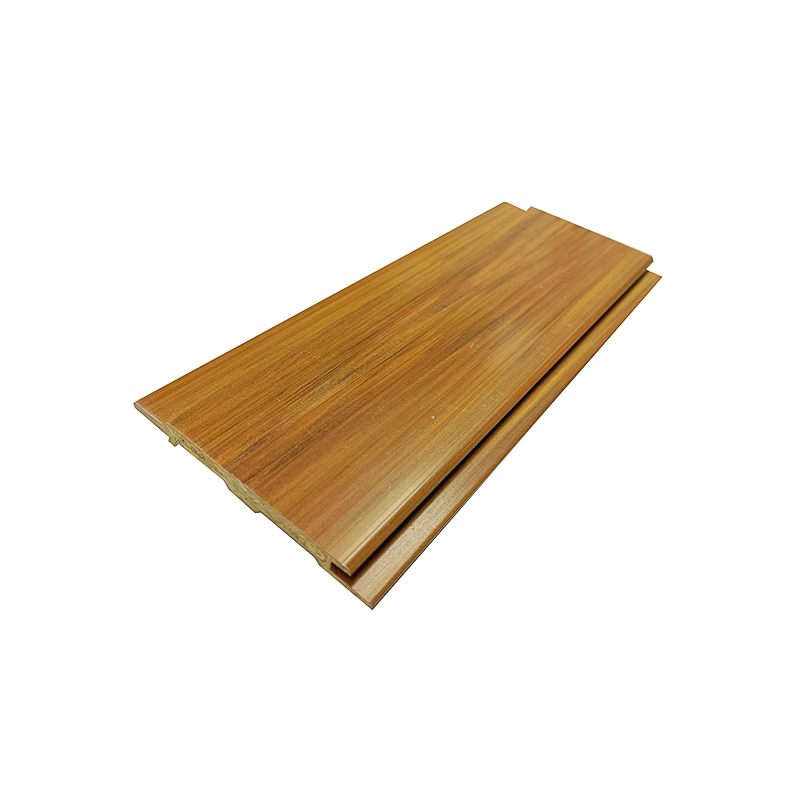
Bamboo wood fiber wall panels fulfill all these requirements while offering significant advantages in environmental sustainability and cost performance compared with traditional ceramic tiles or PVC cladding. They provide a smooth, non-porous surface that prevents bacterial growth, while the natural texture of bamboo creates a warm and soothing visual effect that supports healing environments.
2. Material Composition and Hygiene Benefits
The core of bamboo wall panels is made from high-density bamboo fibers combined with natural plant-based resins and water-based, low-VOC adhesives. Some models integrate bamboo charcoal powder, which enhances antibacterial and deodorizing performance.
The surface can be coated with a special antibacterial UV finish that resists the growth of bacteria such as E. coli and Staphylococcus aureus, as well as fungi — all tested and certified by third-party laboratories. Unlike painted drywall, these panels feature sealed, non-porous surfaces that do not absorb water, dust, or stains. This makes them an excellent choice for patient wards, operation rooms, and corridors where hygiene and cleanliness are top priorities.
3. Applications in Healthcare Architecture
Bamboo wood fiber panels are widely used in different areas of hospitals and healthcare centers. In patient rooms, they are applied as full-height wall cladding or behind headboards, providing a quiet, clean, and visually pleasant environment that promotes recovery. In corridors, they act as crash-resistant protection against moving trolleys or wheelchairs, offering both durability and quick maintenance.
Operating rooms and examination areas benefit from their cleanroom-grade non-porous surfaces that withstand chemical cleaners and sterilization procedures. In waiting rooms and nurse stations, bamboo fiber panels can be designed with acoustic or writable finishes to improve comfort and functionality. They are also suitable for modular isolation units, emergency wards, and temporary triage spaces that require fast construction and compliance with health standards.
4. Fire Safety and Low Emission Standards
Safety is crucial in hospital interiors. Bamboo fiber wall panels are engineered to meet Class B1 or Class A fire rating (EN 13501 / ASTM E84), ensuring strong flame resistance. They emit extremely low formaldehyde levels — typically rated E0 or E1 — which helps maintain indoor air quality and protects patient health.
In case of fire, these panels generate minimal smoke and low toxicity gases, providing extra safety for both patients and healthcare workers. This combination of fire safety, non-toxicity, and sustainability makes bamboo wall panels a trusted choice for medical and public health buildings.
5. Installation Advantages in Medical Projects
Hospitals often require quick and clean construction methods to avoid disrupting daily operations. Bamboo wood fiber panels use a dry installation system, assembled with clips or eco-friendly adhesives, which reduces dust, noise, and construction waste.
Since they come pre-finished from the factory, there is no need for on-site painting or polishing, allowing immediate use after installation. Damaged sections can be replaced individually without removing entire walls, which reduces maintenance costs and downtime. Additionally, these panels can integrate lighting fixtures, signage systems, or equipment rails, providing a seamless and functional wall solution for modern healthcare interiors.
6. Biophilic and Therapeutic Design Impact
Beyond performance, bamboo wood fiber panels contribute to the growing concept of biophilic design in healthcare. By introducing natural textures and warm tones, they help create a more calming and human-centered environment. Research shows that natural surfaces can reduce patient anxiety, improve perception of care, and even enhance staff well-being.
Available finishes include soft wood grains, light neutral colors, and matte textures that reflect daylight naturally. The result is a space that feels cleaner, more comfortable, and emotionally supportive — an essential aspect of modern medical design.
7. Project Case: Hospital Renovation in Germany
In 2024, a private hospital in Munich, Germany, completed a major renovation of its patient wards and corridors using bamboo wood fiber integrated wall panels supplied by Unclewood. Over 2,000 square meters of panels were installed to replace outdated PVC coverings.
The project was executed under a strict ten-day schedule per floor. Thanks to the pre-finished antibacterial coating, each area was reopened immediately after installation without additional painting or finishing. Cleaning staff reported significantly improved maintenance efficiency, and patients described the rooms as warmer and more comfortable.
This project demonstrated how eco-friendly bamboo wall systems can meet the demanding hygiene, safety, and durability requirements of European healthcare environments, while also improving comfort and visual appeal.
Conclusion
As healthcare architecture continues to evolve toward patient-centered, sustainable, and efficient design, bamboo wood fiber wall panels have become a high-performance alternative for medical interiors. They combine hygiene, fire safety, acoustic control, and environmental responsibility in one material, ensuring both practical and aesthetic value.
Whether used in new hospital construction or rapid renovation projects, these panels deliver long-term durability, low maintenance, and a natural warmth that supports healing — making them an ideal solution for modern healthcare environments.
Related Blogs
Bamboo Charcoal Panels for Residential High-Rise Lobby Decoration
Acoustic Performance of Bamboo Charcoal Integrated Wall Panels in Public Buildings
Enhancing Commercial Interiors with Bamboo Charcoal Fiber Wall Panels
Quick-to-Install, Long-Lasting – Stone Decking Tiles for Outdoor Projects