PS Interior Wall Panels for Public Library Renovation | Acoustic & Low-Maintenance
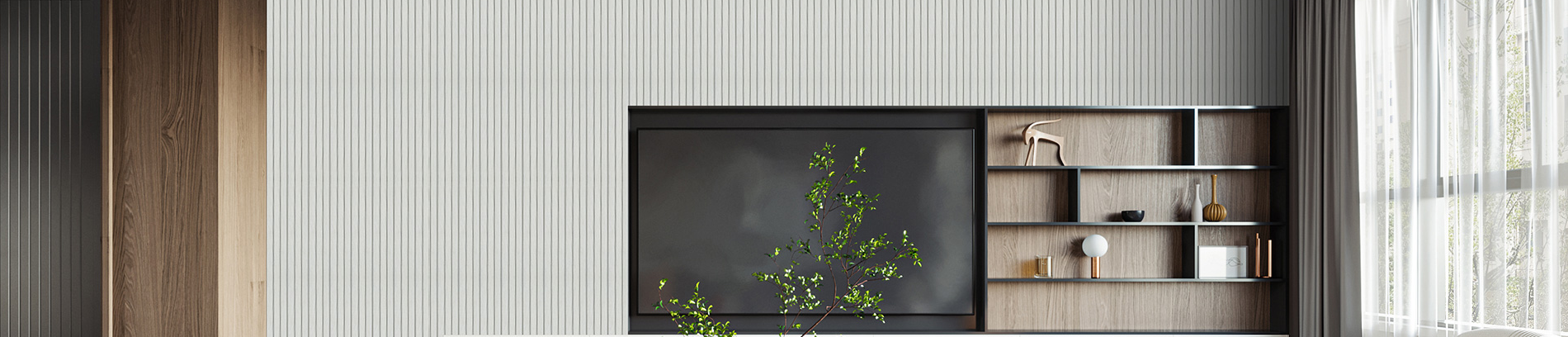
Public Library Interior Renovation Using PS Wall Panels
In an effort to modernize a local public library, the municipal authorities undertook an ambitious interior renovation project aimed at enhancing user comfort, improving acoustic performance, and reducing long-term maintenance costs. After a thorough evaluation of available materials, the project team selected PS (Polystyrene) interior wall panels as the core solution, leveraging their lightweight, durable, and fire-resistant properties.
The library, originally built in the 1980s, featured conventional plaster and paint walls that had deteriorated over time. Frequent exposure to visitors caused scuffs, scratches, and minor water damage in some sections. Additionally, the older walls offered little acoustic insulation, making it challenging for patrons to enjoy quiet reading and study spaces. The renovation plan therefore focused on both aesthetic enhancement and functional improvement, particularly in the main reading hall, study rooms, and community event areas.
Material Selection and Design Considerations
PS interior wall panels were chosen for several engineering and operational reasons. First, the panels are lightweight, which allowed for easy installation over existing wall structures without the need for heavy structural reinforcement. This was particularly important in areas where the existing drywall had minor imperfections and could not support additional weight from traditional cladding materials.
Second, the panels are highly fire-resistant and comply with public building safety regulations, ensuring that the library’s renovation adhered to local fire codes. Their sound-absorbing properties were another critical factor, as the library aimed to create a more serene and focused environment for reading and research. Acoustic simulations were conducted to determine optimal panel thickness and layout, maximizing sound absorption while maintaining a clean and modern aesthetic.
Third, PS wall panels are maintenance-free and easy to clean, which is ideal for public facilities with high foot traffic. Unlike painted walls, which require frequent touch-ups, PS panels resist stains, scratches, and minor impacts. This durability translated into long-term cost savings for the library management team.
Installation Process
The renovation began with a detailed survey of the existing interior, noting areas with water damage, mold, or structural issues. Technicians first reinforced sections of the wall where necessary and ensured that all surfaces were level. The PS panels were then cut to precise dimensions using CNC equipment, enabling seamless installation even around complex features such as built-in bookshelves, lighting fixtures, and decorative moldings.
Installation proceeded quickly due to the panels’ interlocking design, allowing workers to mount large sections in a matter of hours. Adhesive and mechanical fasteners were used in combination to ensure a secure fit. In high-traffic areas, panels were double-anchored to prevent detachment over time. The modular nature of the panels also made it possible to replace individual sections in the future without disrupting the entire wall system.
Engineering Challenges and Solutions
One of the key challenges during the project was integrating the wall panels with the library’s existing HVAC and lighting systems. Careful coordination was required to maintain proper airflow and lighting distribution without compromising the acoustic and aesthetic performance of the panels. Custom cutouts and channels were created in the panels to accommodate vents, electrical conduits, and data cabling.
Another challenge involved achieving uniform acoustic performance across different rooms. Some areas, such as the main reading hall, required higher sound absorption due to larger volumes and higher patron density. In these zones, thicker panels and additional backing layers were installed to meet acoustic targets. In smaller study rooms, standard thickness panels sufficed while still providing improved privacy and noise reduction.
Project Outcome
The completed renovation transformed the public library into a modern, inviting space. The PS interior wall panels contributed to a warmer visual environment, with clean lines and subtle textures that complemented the library’s contemporary design scheme. Patrons immediately noticed the quieter atmosphere, which allowed for focused reading, collaborative study sessions, and small community events without acoustic interference.
Maintenance staff reported that cleaning and upkeep became significantly easier, thanks to the panels’ stain-resistant and durable surfaces. Fire safety compliance was also fully achieved, giving the library management peace of mind regarding public safety. The lightweight and modular design of the panels means that any future upgrades or reconfigurations can be completed efficiently and cost-effectively.
Conclusion
This public library renovation demonstrates how PS interior wall panels can effectively combine aesthetics, functionality, and long-term durability in public facility projects. By carefully considering acoustic performance, fire safety, and maintenance requirements, the engineering team was able to deliver a modernized, efficient, and inviting environment for library users. This project serves as a practical case study for other municipal and commercial facilities seeking low-maintenance, high-performance interior wall solutions.