Public Walkway Decking Materials for Australian Parks & Councils
Public Walkway Decking Solutions for Australian Parks and Open Spaces
Public walkways play a critical role in Australian parks, waterfronts, and civic environments. They connect playgrounds, seating zones, sports facilities, and landscaped areas while guiding pedestrian flow safely and efficiently. As usage increases and expectations around durability and safety rise, material selection for public walkway decking has become a key consideration for councils, landscape architects, and project managers.
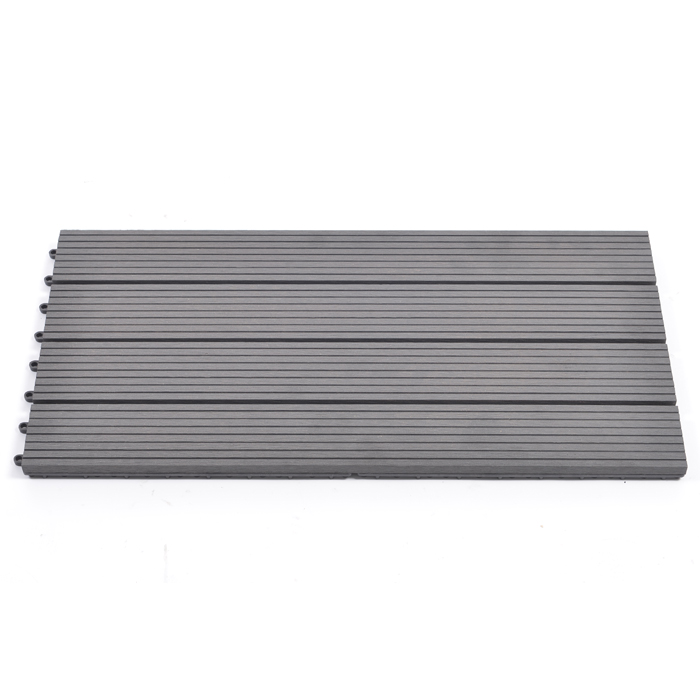
Engineered decking systems, particularly WPC decking designed for outdoor infrastructure, are now widely adopted in Australian park developments due to their balanced performance, longevity, and maintenance efficiency.
Design Requirements for Public Walkway Decking in Australia
Unlike residential decks, public walkways must perform consistently under constant foot traffic, wheeled access, and varying weather conditions. Australian parks experience intense UV exposure, heavy rainfall in some regions, and prolonged dry periods in others.
Public walkway decking materials must therefore deliver structural stability, surface safety, and visual consistency while complying with local standards and long-term asset management strategies.
Why Material Choice Matters in Park Infrastructure
Traditional timber has been widely used in Australian parks, but over time it can present challenges including surface wear, splintering, uneven weathering, and increased maintenance demands. These issues are amplified in high-traffic pedestrian zones such as shared paths, access ramps, and viewing platforms.
Engineered WPC decking systems offer a more predictable alternative. Their composite structure provides controlled expansion, uniform board dimensions, and resistance to moisture-related movement, making them suitable for long linear walkway installations.
Performance Under Constant Pedestrian Traffic
Public walkways in parks are exposed to continuous daily use from pedestrians, cyclists, mobility aids, and maintenance equipment. Over time, inconsistent materials can deform or deteriorate, creating safety risks and visual inconsistency.
WPC decking designed for public applications maintains surface integrity under repetitive loading. Boards retain their shape and structural alignment, helping ensure even walking surfaces and long-term reliability across extended pathway networks.
Slip Resistance in Outdoor Walkway Applications
Slip resistance is a critical performance requirement for park decking materials in Australia, particularly in shaded areas, near water features, or along coastal paths. Wet leaves, irrigation systems, and rainfall can quickly compromise surface safety.
Engineered decking systems incorporate textured walking surfaces that provide reliable traction in both dry and wet conditions. This consistency supports safer public access and reduces the likelihood of slip-related incidents in council-managed environments.
Integration with Substructures and Drainage Design
Modern public walkway projects often incorporate aluminium or galvanised steel substructures to enhance durability and drainage performance. WPC decking boards are dimensionally consistent, allowing accurate joist spacing and predictable fixing alignment.
This compatibility simplifies construction and supports efficient water runoff beneath the deck surface, reducing moisture retention and prolonging the service life of both decking and substructure components.
Application in Australian Park Redevelopment Projects
In a regional park redevelopment, ageing timber walkways connecting playgrounds and picnic zones were replaced with an engineered WPC decking system. The new walkways provided improved surface consistency, enhanced slip resistance, and a uniform appearance across multiple park zones.
Following installation, maintenance requirements were reduced to basic cleaning, and the park remained accessible without frequent repair closures. The material choice supported long-term operational planning while improving the visitor experience.
Standardisation Across Multiple Park Sites
Councils managing multiple parks and open spaces often seek standardised materials to simplify procurement and maintenance. WPC decking systems provide consistent profiles, colour stability, and installation logic that can be replicated across different sites.
This approach allows councils to maintain visual continuity while reducing complexity in asset management and long-term budgeting.
Sustainability Considerations in Park Decking Materials
Sustainability is an important factor in Australian public projects. By reducing reliance on traditional hardwoods and extending replacement cycles, engineered WPC decking supports responsible material use.
Longer service life and lower maintenance demand contribute to reduced material consumption over time, aligning park infrastructure development with environmental and community expectations.
Conclusion
Public walkway decking in Australian parks must balance safety, durability, and long-term cost efficiency. Engineered WPC decking systems offer a reliable solution for high-traffic pedestrian environments, providing stable performance, slip resistance, and reduced maintenance demands.
As councils and designers continue to prioritise resilient public infrastructure, WPC decking is increasingly recognised as a practical and future-ready material choice for park walkways and open spaces across Australia.