Mechanical Performance and Durability of Wood Plastic Composite: Engineering Applications and Case Studies
Wood Plastic Composite (WPC): Performance, Durability, and Real Engineering Applications
Keywords:
WPC decking, WPC wall panel, wood plastic composite, composite materials, outdoor cladding, WPC performance, WPC durability, moisture resistance, WPC engineering project, composite structural behavior, recycled composite materials.
Introduction
Wood Plastic Composite (WPC) has become one of the fastest-growing materials in the fields of outdoor decking, wall cladding, fencing, and façade engineering. As an innovative composite material combining wood fibers with thermoplastic polymers, WPC offers a balance of durability, sustainability, and design flexibility. In recent years, architects and contractors have increasingly adopted WPC for both residential and large-scale municipal projects—particularly where moisture resistance, low maintenance, and long service life are critical.
This article provides an academically oriented overview of WPC’s mechanical properties, durability, recyclability, and real-world engineering applications, offering both technical depth and SEO value.
Material Characteristics and Moisture Behavior
WPC does not corrode and exhibits strong resistance to rot, decay, and marine borer attack, making it an ideal choice for coastal constructions and humid outdoor environments. Water absorption occurs primarily through the embedded wood fibers. Composites containing hydrophilic matrices, such as PLA-based Wood Fiber Composites (WFC), demonstrate higher moisture uptake, which can diminish mechanical stiffness and structural strength.
Recent studies indicate that acetylation treatment significantly improves water resistance, stabilizing mechanical performance under wet or fluctuating conditions—an important factor for WPC decking and exterior cladding installed in tropical regions.
Mechanical Behavior and Structural Performance
Although WPC contains up to 70% cellulose (commonly around 50%), its mechanical behavior aligns more closely with neat polymers. The composite exhibits:
- Lower stiffness and strength compared to solid wood
- Time- and temperature-dependent deformation
- Sensitivity to long-term loading in high-temperature environments
As with other polymer-based materials, WPC may show performance reductions after repeated freeze–thaw cycles. Ongoing material science research is focused on stabilizing micro-cracks within the polymer matrix to enhance cold-climate applicability.
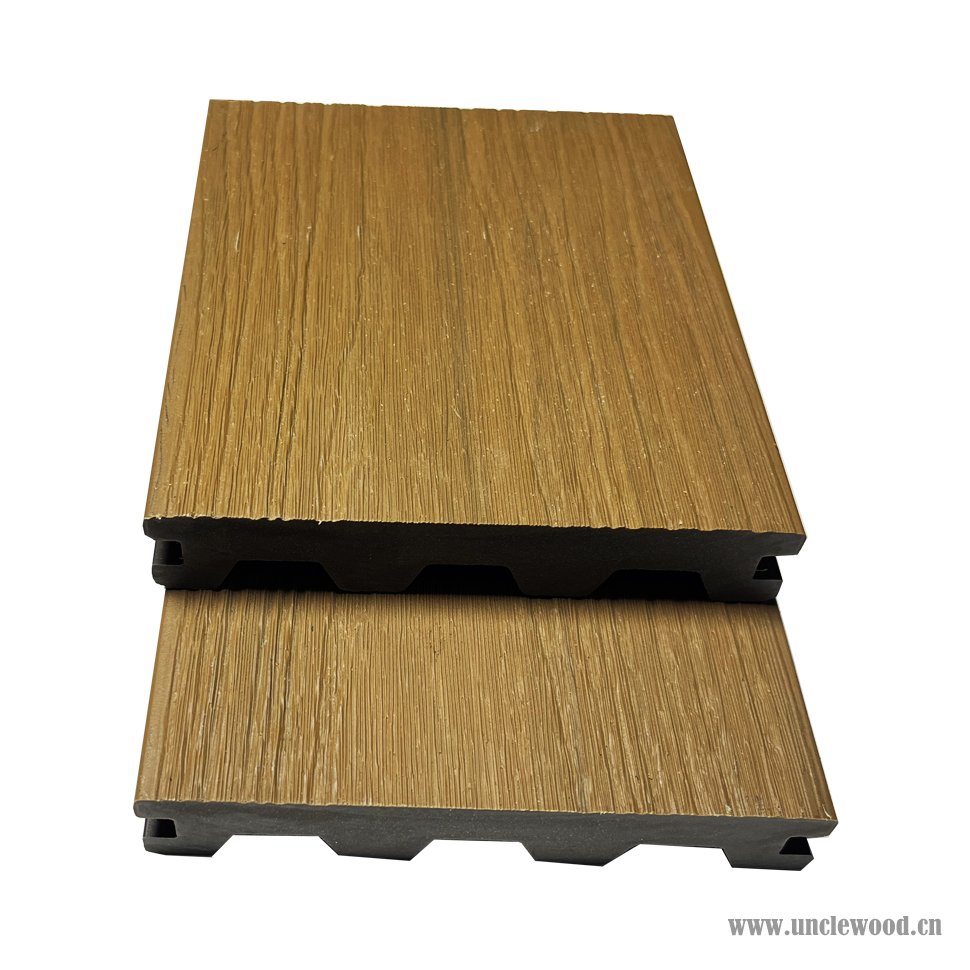
The wood component remains mildly vulnerable to fungal attack, while the polymer phase is susceptible to UV degradation. UV-stabilized coatings or co-extrusion layers are commonly added to WPC wall panels and fencing systems to extend outdoor life expectancy.
Manufacturing and Sustainability
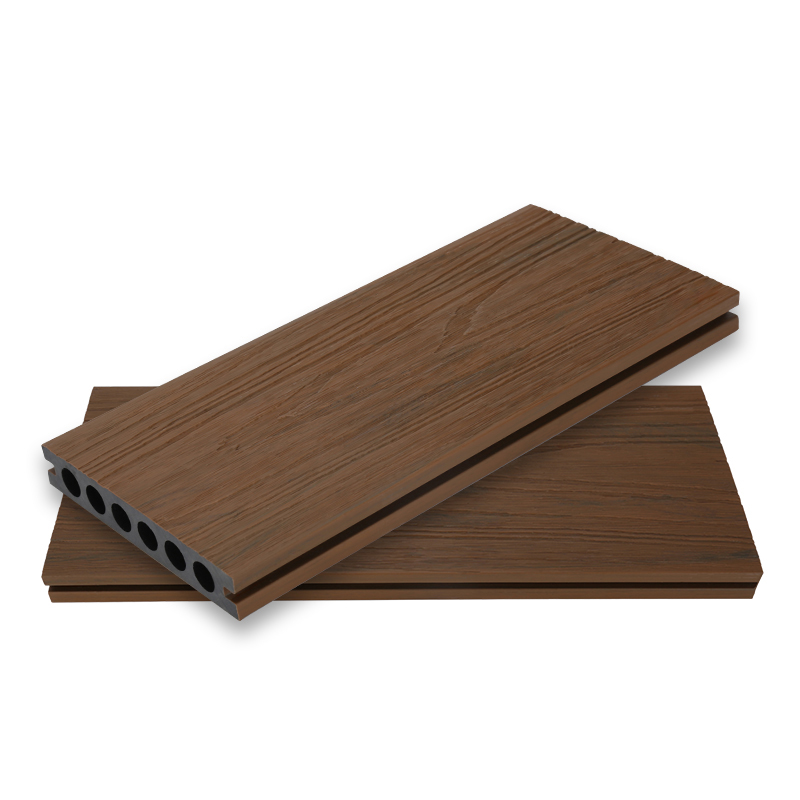
WPC offers excellent workability and can be shaped using standard woodworking tools. Due to the presence of polymers and adhesives, the material is more difficult to recycle back into pure wood or pure plastic. However, WPC can be easily reprocessed into new composite materials, similar to concrete recycling—an important sustainability advantage.
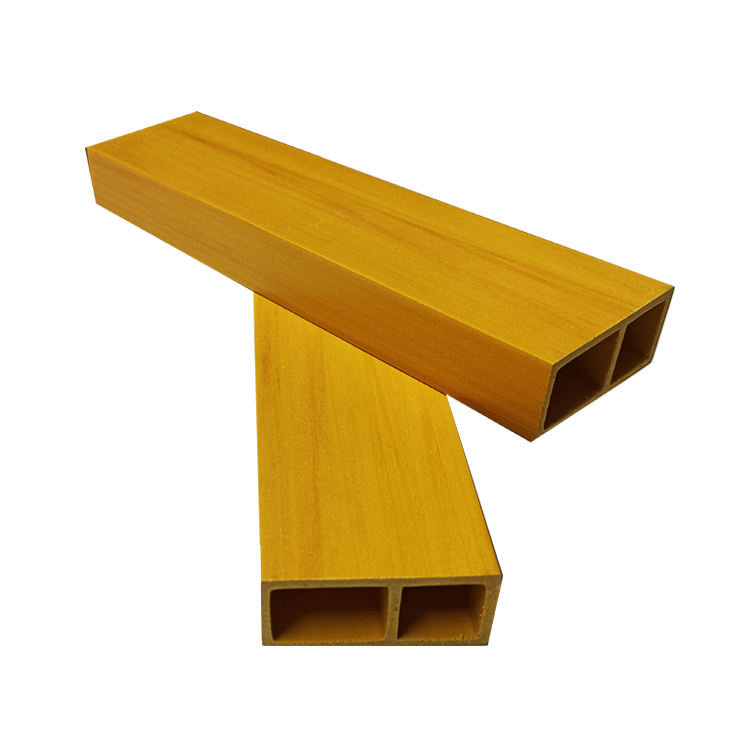
Its ability to be molded during extrusion allows it to achieve complex forms. Curved handrails, arching decks, and hollow profiles for ventilated façades are now widely manufactured using advanced WPC bending techniques.
Another major advantage is its color stability—WPC products do not require painting and are available in natural wood tones, earth colors, and contemporary gray palettes favored in modern architecture.
Engineering Case Study 1: Coastal Boardwalk Reconstruction in Southeast Asia
In 2024, a coastal municipal boardwalk in Southeast Asia underwent large-scale reconstruction. The original hardwood platform had suffered severe decay due to saltwater spray, high humidity, and marine borer attacks.
The city selected co-extruded WPC decking as the primary replacement material after mechanical and environmental evaluations. Within six months of installation:
- No corrosion or decay was detected
- Mechanical stiffness remained stable despite rainy-season humidity
- Maintenance expenditure dropped by 60%
- Color fading was minimal due to UV-stabilizing surface layers
This case demonstrated the material’s suitability as a long-life, low-maintenance solution for public shoreline infrastructure.
Engineering Case Study 2: Outdoor Classroom and Shading Pavilion in Northern Europe
In 2023, a Scandinavian school implemented an outdoor learning area featuring WPC wall cladding, shading louvers, and integrated WPC seating panels. Given the region’s freeze–thaw climate, the design team required a material with minimal deformation risk and strong resistance to fungal growth.
Performance observations after one winter cycle:
- No cracking or delamination occurred
- Surface remained smooth without fiber raising
- Composite louvers maintained structural stability in sub-zero temperatures
- Teachers and maintenance personnel reported reduced upkeep compared to prior wooden structures
The project supports ongoing research about WPC’s freeze–thaw durability in cold-climate engineering.
Engineering Case Study 3: Residential High-Rise Balcony Renovation in the Middle East
A high-rise apartment complex in the UAE replaced its deteriorated wooden balcony panels with WPC exterior cladding. Intense UV exposure had caused significant fading and surface cracking on the previous wooden façade system.
After switching to WPC:
- UV-resistant co-extruded layers maintained color consistency despite extreme sunlight
- Fire-retardant formulations passed local building code requirements
- Labor time was reduced due to the lightweight interlocking panel system
This project highlights WPC’s performance advantages in high-temperature, desert urban environments.
Conclusion
As a modern composite material, WPC offers a compelling balance of durability, moisture resistance, sustainability, and design flexibility. While its mechanical properties differ from traditional wood—showing greater similarity to polymers—it provides distinct advantages for outdoor construction, façade engineering, and coastal or high-humidity regions.
Real-world engineering cases continue to validate the material’s long-term performance in diverse climates, reinforcing WPC’s role as a next-generation building material for exterior applications such as WPC decking, WPC wall panels, cladding systems, pergolas, and fencing solutions.
Related Blogs
How Co-Extruded WPC Panels Improve UV and Weather Resistance
WPC Fencing Solutions for Privacy, Security, and Low-Maintenance Landscaping
Understanding WPC Decking Tiles: Quick Installation for Balconies and Patios
How to Choose the Right WPC Material for Coastal, Desert, or Cold Regions