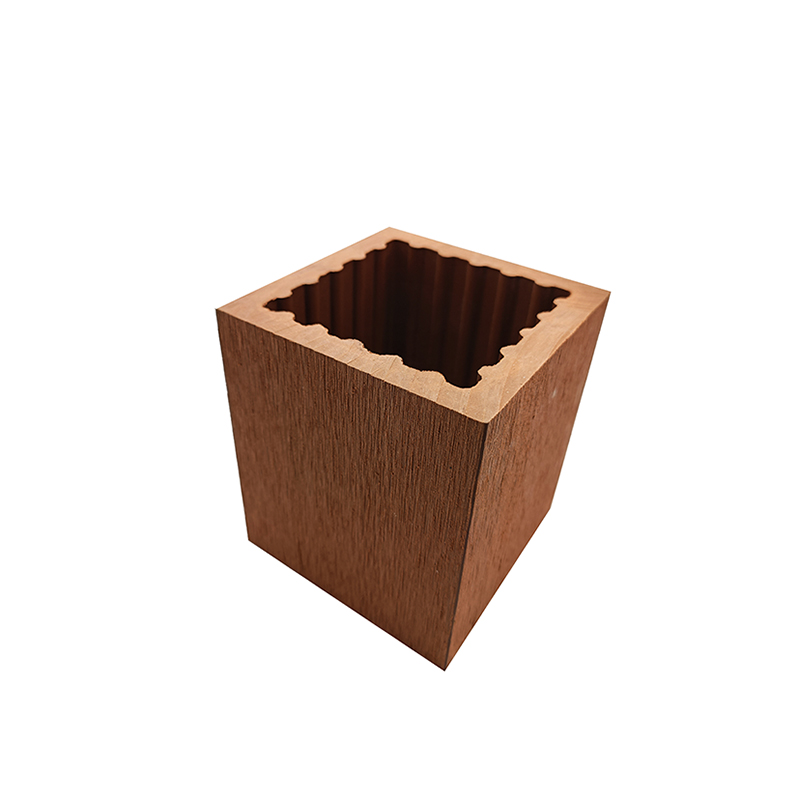
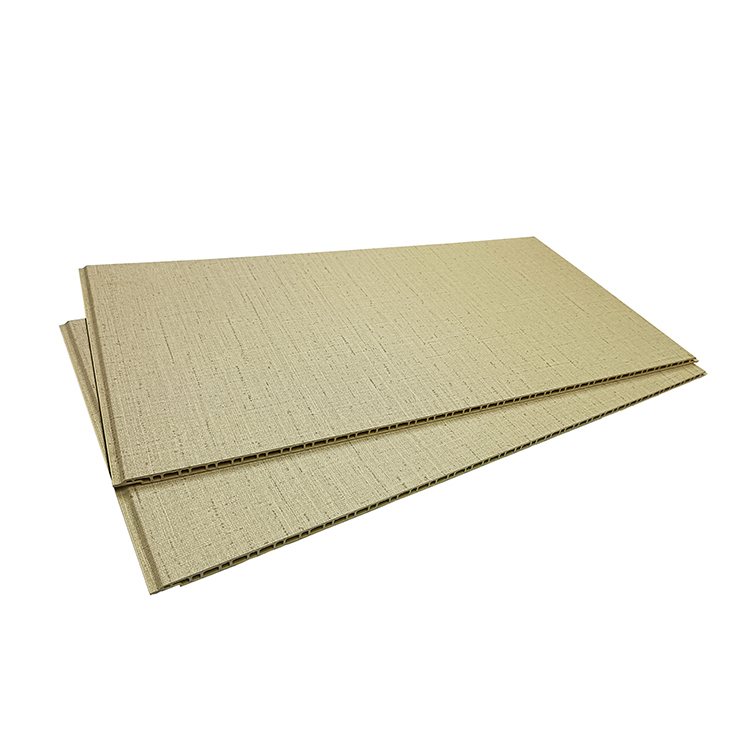
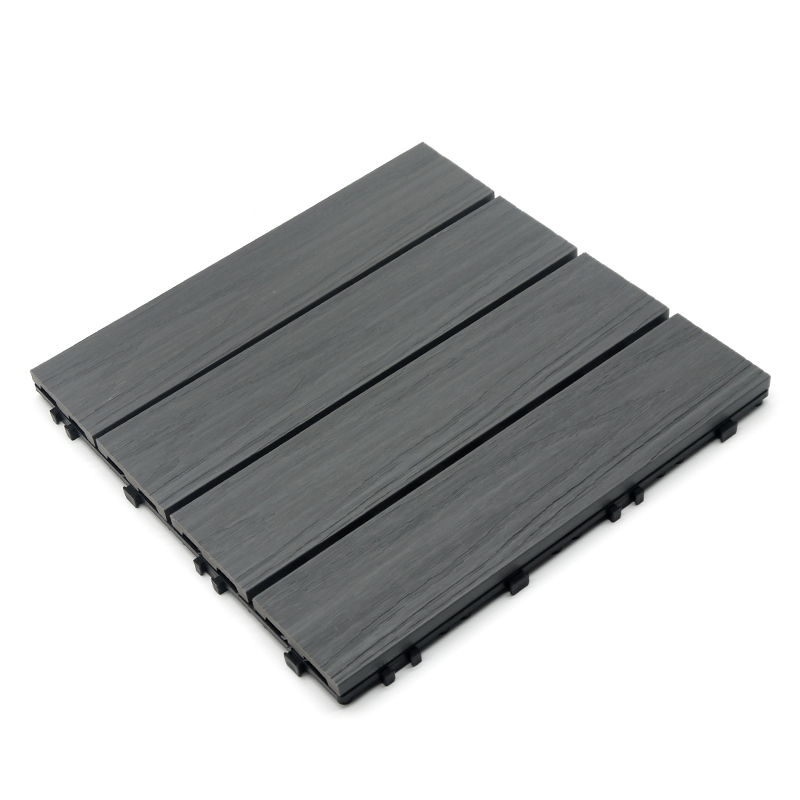
What is WPC wall panel-WPC Wood Grain laminated Interior Wall Cladding
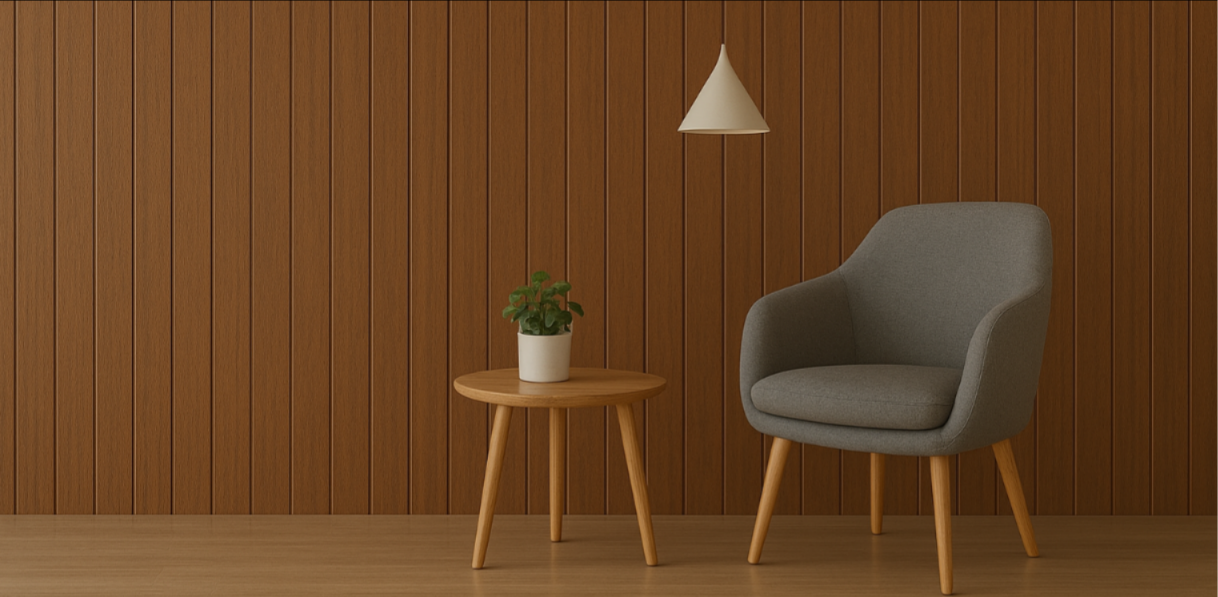
Optimized Engineering-Focused Article: Wood-Plastic Composite Interior Wall Panels
Wood-plastic composite (WPC) wall panels have become an increasingly popular choice for modern interior decoration, especially in residential, commercial, and institutional projects where durability, moisture resistance, and long-term stability are essential. As an upgraded alternative to traditional solid wood wall panels, WPC panels retain the natural wood appearance while offering performance advantages that meet the demands of today’s construction standards. Their attractive finish, cost-effectiveness, and ease of installation make them ideal for large-scale renovation and new-build projects.
In engineering applications such as hotel corridors, office meeting rooms, apartment interiors, and retail stores, WPC wall panels provide a stable and uniform decorative surface. Contractors prefer this material because it maintains consistent color, avoids deformation, and significantly reduces maintenance compared with painted walls or natural wood cladding. Many developers also choose WPC panels for school interiors and public facilities where impact resistance and long-term durability are important.
A key feature of WPC interior wall panels is their excellent adhesion performance when paired with advanced adhesives. For example, Polyfix WPC adhesive has been widely used in interior decoration projects due to its strong bonding ability even in high-temperature environments. Unlike traditional glues that require extended curing time or clamping during installation, Polyfix creates a firm bond between WPC boards and PVC films, mica sheets, or decorative foils within minutes—allowing contractors to accelerate project timelines and reduce labor costs.
From a material science perspective, WPC panels demonstrate superior waterproof and termite-proof performance. Premium WPC sheets are 100% resistant to moisture, borers, and termites, making them suitable for kitchens, bathrooms, and high-humidity areas. While WPC does absorb a small amount of water due to the natural wood fiber component—typically 0.7–2% after 24 hours and up to 18–22% after several months—it remains dimensionally stable and does not rot, swell dramatically, or lose structural integrity. This makes WPC wall panels a reliable choice for long-term interior usage, even in demanding environments.
Compared with plywood and natural wood, WPC panels show a significant advantage in engineering practices. They are split-resistant, splinter-free, and maintain performance under exposure to water, snow, or high heat. The hybrid nature of WPC—combining wood fibers with high-quality polymers—gives the material the natural warmth of wood but with the durability and ease of maintenance associated with plastic. This is why many contractors prefer WPC over plywood during commercial renovations, especially when long-term stability and minimal maintenance are required.
Additionally, WPC panels are compatible with modern lamination technologies. PUR hot-melt lamination machines can apply decorative PVC or PET foils onto WPC boards, creating highly realistic woodgrain textures, matte surfaces, or high-gloss finishes. This enables developers to achieve premium interior effects without the risk of peeling, bubbling, or discoloration typically seen with inferior materials.
It is important to note that WPC surfaces may fade slightly when exposed to strong or constant sunlight over time. For interior applications, this fading is typically minimal and mainly occurs during the first year. Proper shading, UV-resistant foil laminations, and installation in indirect-sunlight areas can effectively reduce this effect.
Overall, wood-plastic composite wall panels offer an ideal combination of durability, aesthetic flexibility, and cost efficiency. Their performance, installation convenience, and compatibility with modern construction methods make them a preferred option not only for homeowners, but also for architects and contractors managing high-traffic commercial and institutional projects.
Related Blogs
Modern Indoor WPC Wall Panel Applications in Commercial and Residential Interiors
Waterproof WPC Decking for Coastal Resorts, Hotels, and Outdoor Public Spaces
High-Performance WPC Ceilings for Cafés, Offices, and Open-Air Corridors
Eco-Friendly Composite Fencing Solutions for Schools and Residential Compounds
Quick-Installation WPC Decking Tiles for Rooftop Gardens and Urban Terraces