Why Architects Are Specifying Co-Extrusion Composite Decking in Modern Commercial Projects
Why Architects Are Specifying Co-Extrusion Composite Decking in Modern Commercial Projects
In contemporary architecture and landscape design, material selection has evolved far beyond aesthetics alone. Today’s architects are expected to balance visual expression, structural performance, environmental responsibility, maintenance efficiency, and long-term lifecycle cost within a single design framework.
As a result, traditional material choices such as timber are being re-evaluated in many commercial and public projects. While natural wood has long been appreciated for its organic appearance, its limitations in durability, maintenance requirements, and environmental exposure have become increasingly difficult to ignore in large-scale developments.
In response to these challenges, co-extrusion composite decking has emerged as a preferred material among architects, landscape designers, and urban planners working on modern commercial environments.
Across hotels, retail developments, corporate campuses, public plazas, waterfront promenades, and educational facilities, composite decking is now being actively specified at the design stage rather than being treated as a substitute material.
This shift reflects a broader transformation in architectural thinking—where performance, sustainability, and long-term value are now just as important as visual design.
Changing Priorities in Modern Architectural Design
Modern architecture is increasingly driven by long-term performance expectations rather than short-term visual impact.
Clients today expect outdoor spaces to remain visually consistent and structurally sound for decades with minimal maintenance intervention. This expectation places significant pressure on material selection decisions made during the design phase.
Architects are no longer choosing materials based solely on appearance or initial cost. Instead, they must evaluate how materials will perform over time under real-world environmental conditions.
In this context, co-extrusion composite decking aligns closely with the evolving priorities of modern architectural practice.
It offers predictable performance, consistent aesthetics, and significantly reduced maintenance requirements compared with traditional timber systems.
These factors make it particularly attractive for commercial and public-sector projects where lifecycle performance is a critical consideration.
Why Timber Is Becoming Less Favorable in Commercial Specifications
Although timber remains a visually appealing natural material, its limitations become more pronounced in commercial applications.
In high-traffic environments such as hotels, shopping centers, public plazas, and office campuses, timber is subjected to continuous use and exposure.
Over time, this leads to issues such as surface wear, discoloration, cracking, and moisture damage. Even with regular maintenance, it is difficult to maintain consistent appearance across large installations.
From a specification standpoint, timber introduces long-term uncertainty.
Architects must consider:
How often maintenance will be required.
How the material will age under UV exposure.
Whether color consistency can be maintained.
How moisture and humidity will affect performance.
What lifecycle costs will look like over 10–20 years.
These uncertainties often create risk for both designers and clients.
As a result, many architectural firms are shifting toward materials that offer more predictable long-term behavior.
Co-Extrusion Composite Decking as a Design Material
Co-extrusion composite decking is not simply a construction material—it is increasingly viewed as a design solution.
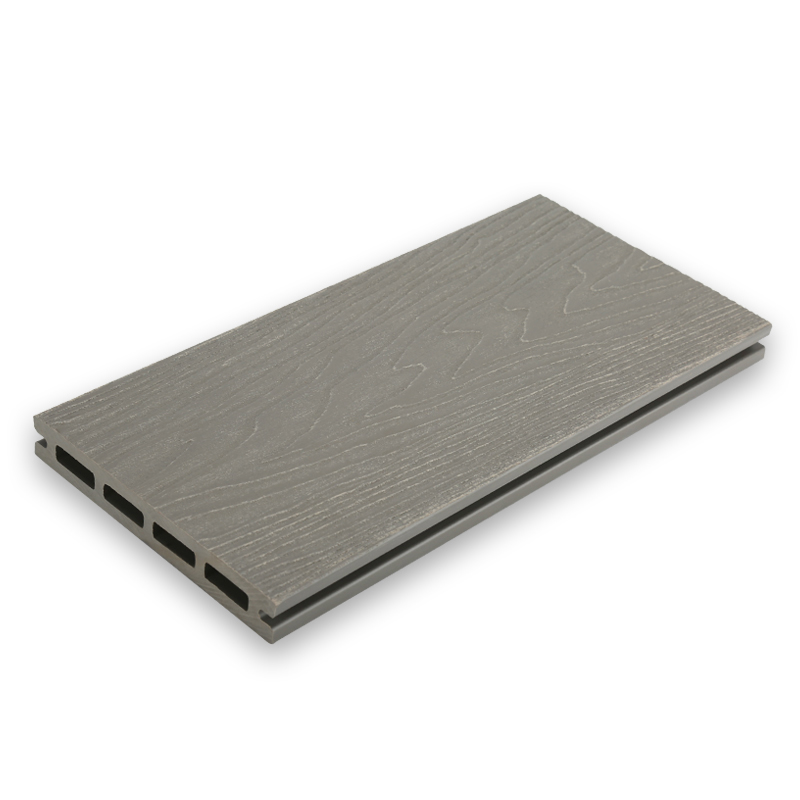
Unlike first-generation composite products, co-extrusion technology features a fully encapsulated protective outer layer that surrounds the internal composite core.
This structure provides enhanced resistance to moisture, UV exposure, staining, and surface abrasion.
For architects, this translates into a material that maintains its design intent over time.
Color stability, surface texture, and structural integrity remain consistent even under demanding environmental conditions.
This reliability is particularly important in large-scale commercial projects where visual uniformity is a key design requirement.
Design Flexibility and Aesthetic Integration
One of the key reasons architects are specifying composite decking is its high degree of design flexibility.
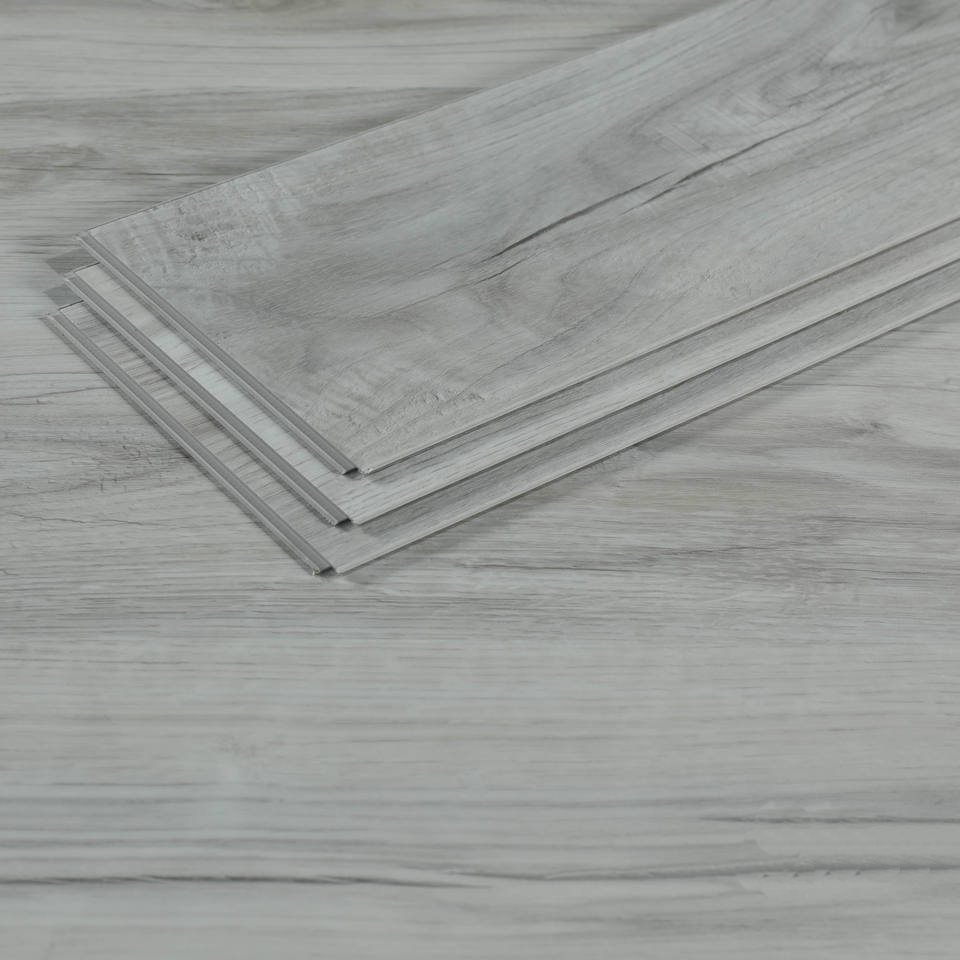
Modern co-extrusion decking systems are available in a wide range of colors, textures, and profiles, allowing them to be integrated into diverse architectural styles.
In contemporary landscape design, composite decking is often used to create seamless transitions between indoor and outdoor spaces.
It can be paired with glass, aluminum, stone, and steel to achieve a cohesive architectural language.
Many architects also use composite decking as a unifying surface material across multiple functional zones, such as seating areas, walkways, terraces, and water features.
The ability to maintain consistent appearance across large surfaces is a significant advantage in commercial design projects.
Performance in High-Traffic Commercial Environments
Commercial projects place significantly higher demands on materials compared to residential applications.
Hotels, resorts, retail centers, office complexes, and public spaces experience continuous foot traffic and varying usage conditions.
In these environments, material durability becomes a critical factor.
Co-extrusion composite decking performs well under these conditions due to its engineered surface protection and structural stability.
It resists scratching, staining, and surface degradation caused by heavy use.
The material also maintains slip resistance, which is particularly important in areas exposed to rain, pools, or waterfront environments.
For architects responsible for public safety and compliance, these performance characteristics are highly valuable.
Maintenance Reduction as a Design Advantage
Maintenance is increasingly becoming a design consideration rather than just an operational concern.
Architects are now expected to design spaces that minimize long-term maintenance requirements for clients.
Traditional timber decking introduces ongoing maintenance obligations such as sanding, sealing, painting, and board replacement.
These activities not only increase operational costs but can also disrupt the usability of commercial spaces.
Co-extrusion composite decking significantly reduces these requirements.
Routine cleaning is generally sufficient to maintain appearance and performance.
This reduction in maintenance effort allows clients to allocate resources more efficiently and ensures that designed spaces remain functional and visually appealing for longer periods.
Sustainability and Green Building Compliance
Sustainability has become a core requirement in modern architectural practice.
Many commercial developments now target certifications such as LEED, BREEAM, or equivalent green building standards.
Material selection plays a key role in achieving these certifications.
Co-extrusion composite decking supports sustainability goals in several ways.
It is often manufactured using recycled wood fibers and recycled plastic materials, reducing reliance on virgin resources.
Its long service life reduces material replacement frequency.
Its low maintenance requirements reduce the need for chemical treatments and coatings.
These factors contribute positively to lifecycle environmental assessments.
As sustainability regulations continue to evolve, demand for environmentally responsible materials is expected to increase further.
Application in Commercial Architectural Projects
Co-extrusion composite decking is now widely used across various commercial and public project types.
In hospitality design, it is commonly used in pool decks, outdoor lounges, rooftop terraces, and resort walkways.
In urban design, it is applied in public plazas, waterfront promenades, pedestrian bridges, and observation platforms.
In corporate architecture, it is used for campus landscapes, outdoor meeting spaces, and employee recreational areas.
In educational facilities, it supports outdoor classrooms, student gathering zones, and campus circulation paths.
Its versatility allows it to be adapted across different functional and aesthetic requirements.
Lifecycle Cost Perspective in Architectural Decision-Making
Architects increasingly evaluate materials based on lifecycle cost rather than initial installation cost.
While timber may appear cost-effective at the beginning of a project, long-term maintenance and replacement costs can significantly increase total expenditure.
Composite decking, although higher in initial cost, typically offers lower total cost of ownership over a 20–30 year period.
This lifecycle advantage aligns with the priorities of commercial developers and public institutions seeking long-term financial efficiency.
For architects, specifying materials with predictable lifecycle performance reduces risk and strengthens project value propositions.
The Shift from Material Selection to System Thinking
One of the most important changes in modern architecture is the shift from selecting individual materials to designing integrated systems.
Outdoor spaces are no longer viewed as isolated surfaces but as interconnected environments that must perform across multiple dimensions—structural, aesthetic, environmental, and functional.
Co-extrusion composite decking fits well within this systems-based approach.
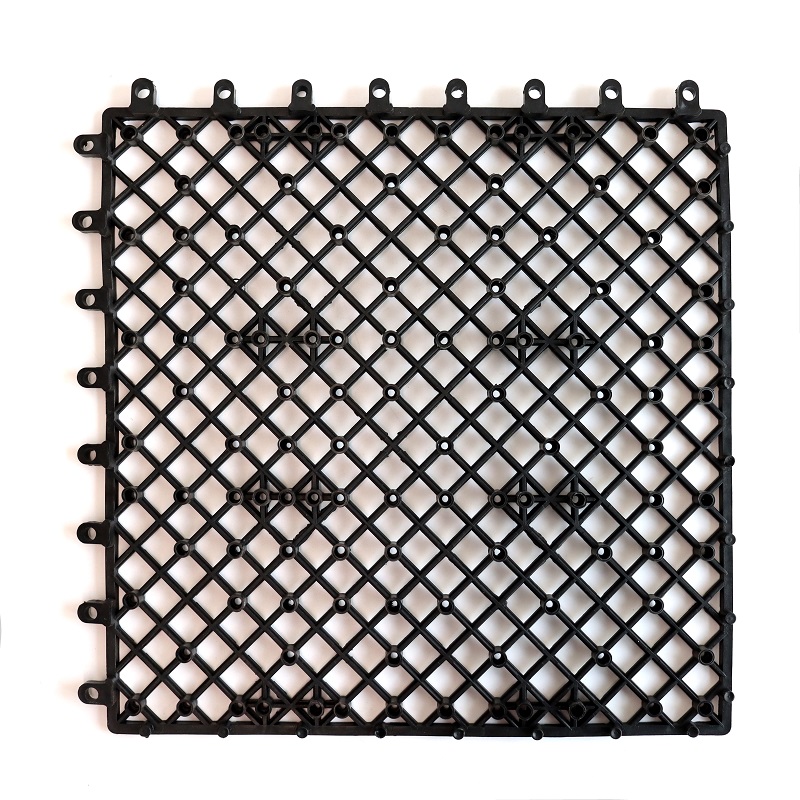
It is not just a surface material but part of a broader outdoor design strategy that includes drainage, structural framing, accessibility, and spatial planning.
This holistic compatibility is one of the reasons it is increasingly specified in modern architectural projects.
Conclusion
The growing preference for co-extrusion composite decking among architects reflects a broader transformation in commercial design priorities.
Performance, sustainability, maintenance efficiency, and lifecycle value have become just as important as aesthetics in material selection.
While traditional timber continues to offer natural visual appeal, its limitations in long-term durability and maintenance make it less suitable for many modern commercial applications.
Co-extrusion composite decking provides architects with a reliable, flexible, and future-oriented material solution that supports both design intent and operational efficiency.
As commercial architecture continues to evolve toward sustainable and low-maintenance design principles, composite decking is expected to play an increasingly central role in shaping outdoor environments across global markets.