Why Australia is Rapidly Replacing Traditional Timber with Co-Extrusion Composite Decking
How Harsh UV Exposure Coastal Humidity and Low Maintenance Demand Are Transforming the Australian Outdoor Decking Industry
Australia has one of the strongest outdoor living cultures in the world, and this directly influences the building materials used in residential and commercial construction projects. From private backyard terraces in Melbourne to luxury beachfront villas in Sydney and public boardwalks in Queensland, outdoor decking has become an essential part of modern Australian architecture. For decades, natural hardwood was considered the standard choice for these projects, but rising maintenance costs, climate challenges, and environmental concerns are accelerating the transition toward co-extrusion composite decking.
One of the biggest reasons for this shift is Australia’s harsh climate. In many regions, outdoor materials are exposed to intense ultraviolet radiation for most of the year. Traditional timber decking often fades quickly under prolonged sun exposure, requiring continuous sanding, oiling, painting, and replacement. In coastal cities such as Perth and Brisbane, high humidity and salt air further shorten the lifespan of natural wood. Many homeowners discover that within only a few years, timber decks begin to crack, splinter, and deform, creating both aesthetic and safety concerns.
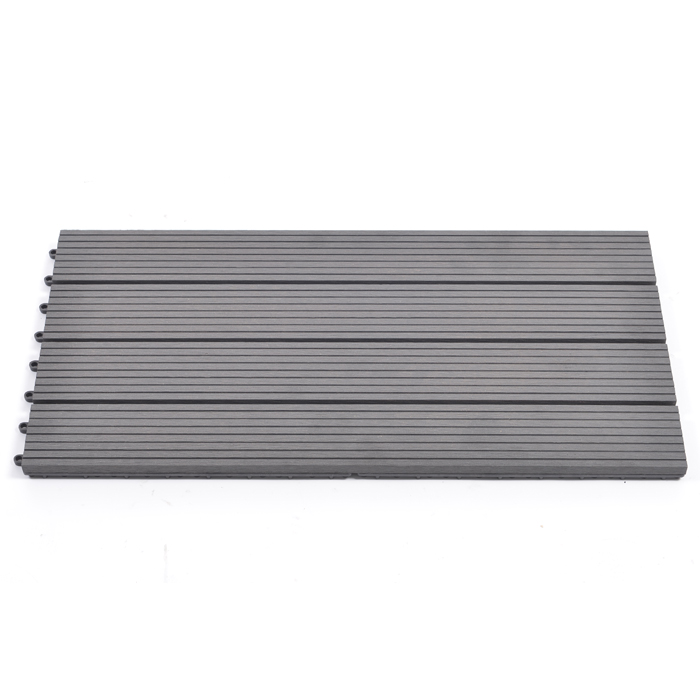
Composite decking solves many of these long-standing problems. Modern co-extrusion technology surrounds the core material with a protective polymer shield, creating a surface that is far more resistant to UV rays, moisture, stains, and scratches than traditional wood-plastic composite boards. This has become particularly attractive to Australian property developers, who increasingly focus on long-term lifecycle cost rather than only initial material pricing. Although capped composite decking may cost more at the beginning of a project, the reduction in annual maintenance expenses often makes it significantly more economical over a ten-year period.
Environmental sustainability is another major factor influencing the Australian market. Australia has strengthened regulations surrounding sustainable construction and environmentally responsible sourcing. Many hardwood materials used for outdoor decking originate from slow-growing tropical forests, and growing environmental awareness has encouraged developers to seek alternative materials. Composite decking manufactured from recycled plastics and reclaimed wood fiber aligns closely with Australia’s green building movement and helps developers improve sustainability ratings for commercial projects.
The hospitality industry has also played an important role in driving demand for premium WPC products. Hotels, resorts, restaurants, and luxury apartment projects increasingly require outdoor flooring materials that maintain a high-end appearance with minimal operational disruption. Unlike timber decking, which may require temporary closure during maintenance treatments, co-extrusion composite decking allows commercial facilities to reduce maintenance downtime significantly while maintaining a modern architectural appearance.
Another trend shaping the Australian market is the growing preference for low-maintenance lifestyles among homeowners. Modern consumers no longer want to spend weekends sanding or repainting outdoor decks. They prefer materials that can withstand years of exposure with only simple cleaning. This consumer behavior shift has helped composite decking move from a niche alternative product into a mainstream building material across Australia.
As demand continues to grow, Australian buyers are becoming increasingly selective regarding product quality. Contractors and distributors now pay closer attention to UV stability, anti-slip performance, thermal expansion control, warranty support, and engineering certifications. This means suppliers entering the Australian market must focus not only on competitive pricing but also on technical reliability, project support, and long-term product performance.
For Chinese manufacturers, Australia remains one of the most promising export markets for premium co-extrusion decking systems. However, success increasingly depends on the ability to provide complete project solutions rather than simply exporting standard decking boards. Buyers now expect customized colors, engineering assistance, hidden fastening systems, loading optimization, and reliable after-sales support. Companies capable of positioning themselves as long-term project partners rather than basic material suppliers are likely to achieve far greater success in the evolving Australian composite decking industry.