Why Composite Decking Is the Best Choice for Coastal and Marine Environments
Why Composite Decking Is the Best Choice for Coastal and Marine Environments
Coastal and marine environments represent some of the most demanding conditions for any outdoor construction material. Constant exposure to saltwater, high humidity, strong UV radiation, shifting temperatures, and frequent storms creates a highly aggressive environment that rapidly accelerates the deterioration of traditional building materials.
For decades, timber was widely used in coastal infrastructure such as boardwalks, piers, promenades, marinas, and seaside viewing platforms. However, long-term performance issues have led architects, engineers, and government authorities to rethink material selection for waterfront projects.
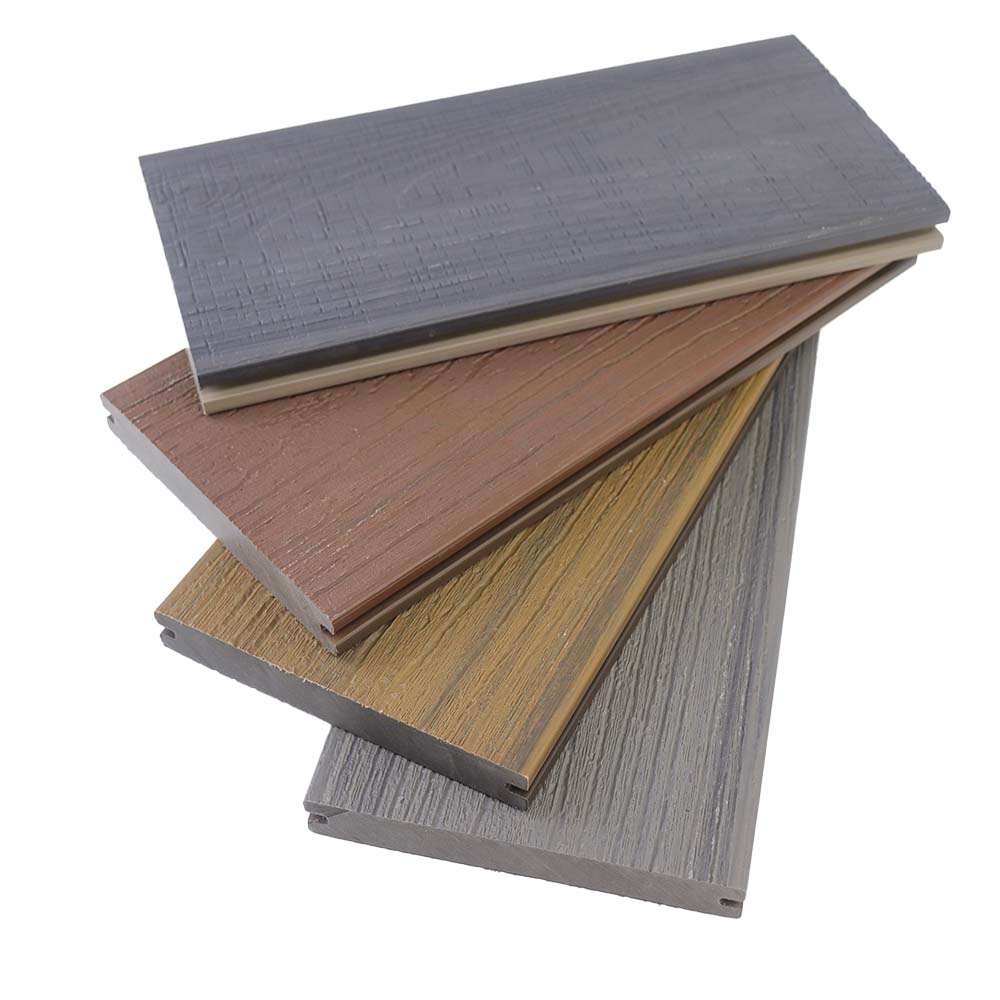
In recent years, co-extrusion composite decking has become the preferred solution for coastal and marine applications worldwide. Its combination of durability, moisture resistance, UV stability, and low maintenance performance makes it particularly well suited for environments where traditional materials struggle to survive.
This shift is not a design trend—it is a practical response to the harsh realities of coastal exposure and the need for long-term infrastructure reliability.
The Harsh Reality of Coastal Environments
Coastal environments are extremely challenging for outdoor materials due to a combination of environmental stress factors that occur simultaneously.
Salt in the air and water is one of the most damaging elements. When salt particles settle on surfaces, they can accelerate corrosion, surface degradation, and moisture retention. In timber structures, salt exposure often leads to accelerated aging, surface breakdown, and increased vulnerability to rot.
High humidity levels in coastal regions also contribute to moisture absorption. Wood naturally absorbs water from the environment, which causes swelling, warping, and eventual structural weakening.
Strong ultraviolet radiation near open water further compounds the problem. Continuous UV exposure breaks down lignin in wood fibers, causing fading, drying, cracking, and surface erosion over time.
In addition, coastal areas often experience strong winds, heavy rainfall, and occasional storm surges, all of which place additional stress on decking systems.
These combined conditions make coastal projects one of the most demanding applications in outdoor construction.
Why Traditional Timber Struggles in Marine Conditions
Although timber has been widely used in waterfront construction, its limitations become evident over time in marine environments.
Even high-quality hardwoods require intensive maintenance to remain functional and visually acceptable in coastal conditions.
Common issues include surface discoloration caused by salt exposure, accelerated fading due to UV radiation, and moisture-related deformation such as swelling and cracking. In many cases, timber boards also become slippery when wet, creating safety concerns in public areas such as boardwalks and viewing platforms.
Another major challenge is the frequency of maintenance required. Coastal timber structures often need regular cleaning, oiling, sealing, and board replacement to maintain performance.
For municipalities, resorts, and commercial operators, these ongoing maintenance requirements can result in significant operational costs and frequent disruptions to public access.
As a result, many coastal infrastructure operators are actively seeking more durable and lower-maintenance alternatives.
The Engineering Advantage of Co-Extrusion Composite Decking
Co-extrusion composite decking has been specifically engineered to overcome the limitations of natural timber in outdoor environments.
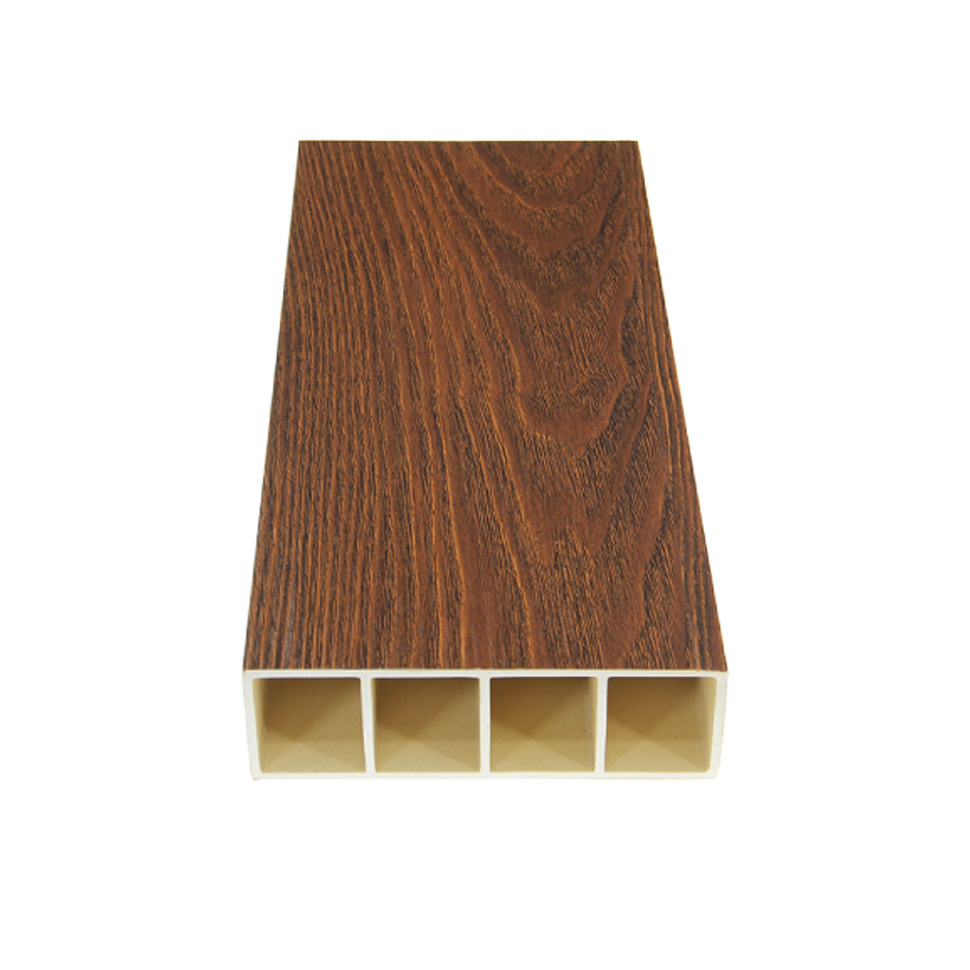
It is manufactured using a combination of recycled wood fibers and high-performance polymers, with an advanced protective outer layer that fully encapsulates the core material.
This co-extruded cap layer plays a critical role in protecting the board from external environmental factors.
It prevents direct water absorption, blocks UV penetration, resists staining from salt and organic debris, and significantly reduces surface wear caused by foot traffic and weather exposure.
Unlike traditional wood, composite decking does not rely on surface treatments to maintain its performance. The protective layer is built into the material itself, ensuring long-term stability even in aggressive coastal conditions.
This structural advantage is one of the primary reasons it has become widely adopted in marine construction projects.
Superior Performance in Saltwater Environments
One of the most important requirements for coastal infrastructure is resistance to saltwater exposure.
In marine environments, salt is constantly present in the air and water. When it settles on decking surfaces, it can accelerate deterioration in many traditional materials.
Co-extrusion composite decking is highly resistant to salt-related damage.
Because the protective outer layer prevents moisture and salt penetration, the internal structure remains stable even after prolonged exposure.
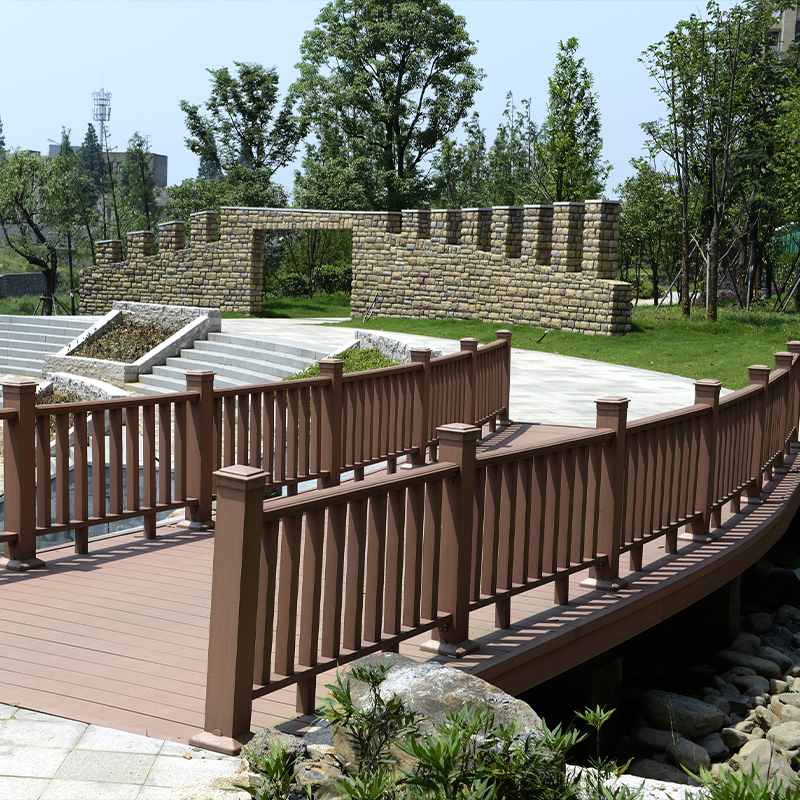
This makes it particularly suitable for boardwalks, piers, jetties, and marina walkways where direct or indirect contact with seawater is unavoidable.
In many modern waterfront developments, composite decking has effectively replaced timber due to its ability to maintain structural integrity and appearance in salt-rich environments.
UV Resistance and Color Stability
Another major challenge in coastal regions is intense sunlight exposure.
Water surfaces reflect UV radiation, effectively increasing the intensity of sun exposure on nearby structures. This accelerated UV impact often causes timber to fade, dry out, and crack prematurely.
Co-extrusion composite decking is designed with UV stabilizers embedded within its protective layer.
This helps maintain color consistency and reduces surface degradation over time.
Even in high-exposure coastal zones, composite decking retains its original appearance significantly longer than untreated or minimally treated timber.
This stability is particularly important for commercial projects where visual consistency is a key design requirement.
Safety Performance in Public Waterfront Spaces
Coastal and marine environments are often heavily used by the public.
Boardwalks, promenades, and waterfront parks must accommodate high foot traffic, including families, tourists, cyclists, and maintenance vehicles.
Safety is therefore a critical consideration in material selection.
Wet surfaces near water can become slippery, especially when combined with algae growth or salt residue.
Modern composite decking is engineered with textured surfaces that enhance slip resistance while maintaining a natural wood-like appearance.
Unlike aging timber, which can become uneven or splintered over time, composite decking maintains a more consistent and safer walking surface throughout its service life.
This makes it a preferred choice for public infrastructure projects where safety standards must be strictly maintained.
Low Maintenance Requirements for Coastal Operators
One of the most significant advantages of composite decking in marine environments is its low maintenance requirement.
Traditional timber structures require frequent maintenance cycles to combat the effects of salt, moisture, and UV exposure.
These tasks often include cleaning, sanding, sealing, repainting, and replacing damaged boards.
In contrast, co-extrusion composite decking requires minimal ongoing maintenance.
Routine cleaning with water is typically sufficient to remove surface dirt, salt deposits, and organic debris.
There is no need for regular staining, oiling, or chemical treatment.
For coastal municipalities, resort operators, and marina managers, this reduction in maintenance translates into substantial cost savings and reduced operational downtime.
Applications in Coastal and Marine Projects
Co-extrusion composite decking is now widely used across a variety of coastal and marine applications worldwide.
In public infrastructure, it is commonly used for seaside boardwalks, pedestrian promenades, fishing piers, and observation platforms.
In commercial tourism developments, it is used for beachfront resorts, beach clubs, outdoor dining areas, and waterfront entertainment spaces.
In marine infrastructure, it is frequently applied in marina walkways, yacht club decks, and docking platforms.
Its versatility and durability make it suitable for both heavy-duty public use and high-end architectural environments.
Long-Term Economic Value
Although composite decking typically requires a higher initial investment than timber, its long-term economic benefits are significant.
Reduced maintenance costs, fewer repairs, and longer service life contribute to a lower total cost of ownership over time.
For large coastal infrastructure projects, these savings can be substantial.
When evaluated over a 20–30 year lifecycle, composite decking often proves to be the more cost-effective solution.
This is a key reason why governments and commercial developers are increasingly adopting composite materials for waterfront projects.
Sustainability Benefits in Marine Construction
Sustainability is an increasingly important factor in coastal development projects.
Many composite decking products are manufactured using recycled materials, reducing reliance on virgin timber resources and helping to divert plastic waste from landfills.
The long lifespan of composite decking further enhances its environmental benefits by reducing the frequency of material replacement.
In sensitive coastal ecosystems, minimizing chemical treatments and material degradation is also an important environmental consideration.
As sustainability regulations become stricter worldwide, composite decking is expected to play a growing role in eco-conscious waterfront development.
Conclusion
Coastal and marine environments demand materials that can withstand some of the harshest conditions in outdoor construction.
Traditional timber, while visually appealing, struggles to maintain long-term performance under constant exposure to saltwater, UV radiation, and moisture.
Co-extrusion composite decking provides a modern alternative that delivers superior durability, stability, safety, and low maintenance performance.
Its ability to resist environmental degradation while maintaining visual consistency makes it an ideal solution for boardwalks, marinas, waterfront promenades, and other coastal infrastructure projects.
As global demand for durable and sustainable waterfront construction continues to grow, composite decking is set to become the standard material for modern coastal development.