How WPC Great Wall Wall Panels Perform in Victoria, Queensland, and Western Australia
WPC Composite Great Wall Wall Panels Across Australia: Climate-Based Project Applications in Victoria, Queensland, and Western Australia
Australia’s diverse climate zones present unique challenges for exterior and semi-exterior building materials. From the cooler, temperate conditions of Victoria to the hot, humid environments of Queensland and the dry, high-UV regions of Western Australia, material performance can vary significantly depending on location.
This article examines how WPC composite fluted wall panels have been applied in engineering projects across these three regions, focusing on climate adaptability, durability, and real-world construction outcomes.
Victoria: Stable Performance in Temperate Urban Developments
In Victoria, particularly in metropolitan Melbourne and surrounding areas, construction projects often face cool winters, moderate rainfall, and relatively stable humidity levels. A mid-rise mixed-use development in inner Melbourne incorporated WPC Great wall panels as decorative façade elements and covered walkway walls.
The design team selected the composite panel system to achieve a warm, timber-inspired appearance while avoiding issues associated with natural wood in urban environments, such as moisture absorption and surface staining. The panels maintained consistent color tone throughout seasonal temperature changes, and the linear profile helped create visual rhythm along extended wall surfaces.
From an engineering standpoint, the panels performed well in enclosed and semi-enclosed spaces, where airflow and temperature variation required dimensional stability. Installation accuracy was a key advantage, allowing contractors to achieve clean lines without extensive on-site trimming.
Queensland: Moisture Resistance in Hot and Humid Conditions
Queensland’s subtropical and tropical climate places significant stress on exterior wall materials. High humidity, frequent rainfall, and prolonged heat exposure often accelerate material degradation. In a coastal hospitality project in Southeast Queensland, WPC Great wall panels were installed on shaded exterior walls and outdoor circulation areas.
The primary concern for this project was resistance to moisture-related issues such as swelling, mold growth, and surface deformation. The composite structure of the wall panels proved effective in minimizing water absorption, while the ventilated installation system supported airflow behind the panels, reducing moisture retention.
Project managers noted that compared to traditional timber battens, the WPC panels required significantly less maintenance planning. This was particularly important for hospitality buildings, where downtime for refinishing or replacement directly impacts operations.
Western Australia: UV Resistance in High-Exposure Environments
Western Australia, especially regions around Perth, experiences intense sunlight and low humidity for much of the year. UV exposure is a critical factor when selecting exterior wall materials, as fading and surface breakdown can occur rapidly.
In a public-use facility project, WPC composite Great wall panels were used as feature walls and sun-screening elements. The panels were chosen for their UV-resistant formulation and ability to retain surface texture over time. Even in areas with direct sunlight exposure, the panels demonstrated controlled color stability, supporting long-term visual consistency across the building envelope.
The lightweight nature of the composite panels also simplified handling and installation on large façade sections, reducing labor intensity compared to heavier cladding materials.
Comparative Insights from Multi-Climate Applications
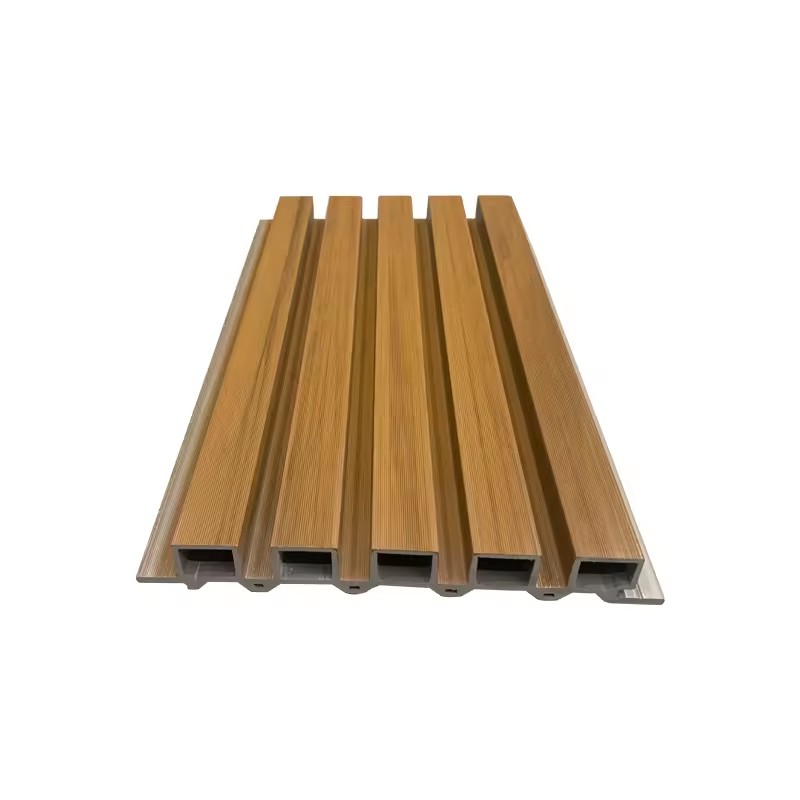
Across all three regions, several shared advantages emerged. The Great Wall wall panel profile provided architectural depth without compromising structural simplicity. The composite material delivered predictable performance regardless of climate extremes, offering designers and builders a reliable specification option.
More importantly, the projects demonstrated that a single wall panel system could be adapted to vastly different environmental conditions through proper detailing, spacing, and installation methods. This flexibility makes WPC Great Wall wall panels particularly suitable for national-scale developments or standardized building programs across Australia.
Conclusion: A Climate-Responsive Wall Panel Solution for Australia
The applications of WPC composite Great wall panels in Victoria, Queensland, and Western Australia highlight the material’s adaptability to Australia’s varied climate zones. By addressing moisture, temperature fluctuation, and UV exposure through material engineering rather than intensive maintenance, these panels provide a practical solution for modern Australian construction projects.
For architects and developers working across multiple states, WPC Great Wall wall panels offer consistency in appearance, performance, and long-term cost control—making them a strong candidate for both commercial and institutional applications.