How WPC Panels Became a Key Material in U.S. Construction Projects
Optimized Version(News / Engineering-Oriented)
The Evolution of Wood Composite (WPC) Panels in U.S. Construction Projects
Wood Plastic Composite (WPC) panels have become an increasingly visible material choice across construction and infrastructure projects in the United States. Their rise is closely linked to the industry’s long-term pursuit of durable, low-maintenance, and sustainable building solutions.
The early development of WPC materials in the U.S. can be traced back to the mid-20th century, when engineers and material scientists began exploring ways to combine wood fibers with thermoplastic resins. The objective was practical rather than experimental: to create a material that could retain the visual appeal of wood while overcoming its inherent weaknesses in outdoor and high-moisture environments.
By the 1970s, research institutions and private manufacturers in the United States had made significant progress in composite formulation. These early-stage developments focused on improving resistance to rot, insects, and moisture—three persistent challenges in traditional timber applications, particularly in exterior construction.
A major turning point occurred in the 1990s, when advancements in extrusion technology and polymer processing enabled WPC products to enter commercial production. At this stage, quality consistency, structural stability, and scalable manufacturing became achievable, allowing WPC panels to be specified in real-world construction projects rather than remaining a niche material.
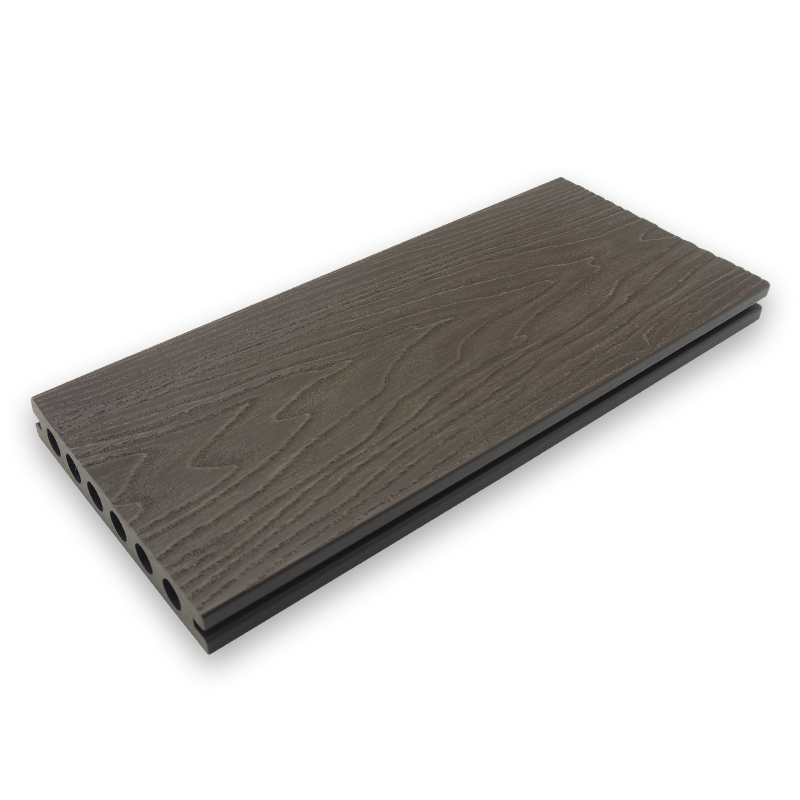
The first large-scale adoption of WPC panels was seen in outdoor decking projects, including residential developments, public walkways, and recreational facilities. Their performance in harsh weather conditions and reduced maintenance requirements made them an attractive alternative to pressure-treated wood, particularly for municipal and public-use projects where lifecycle cost control is critical.
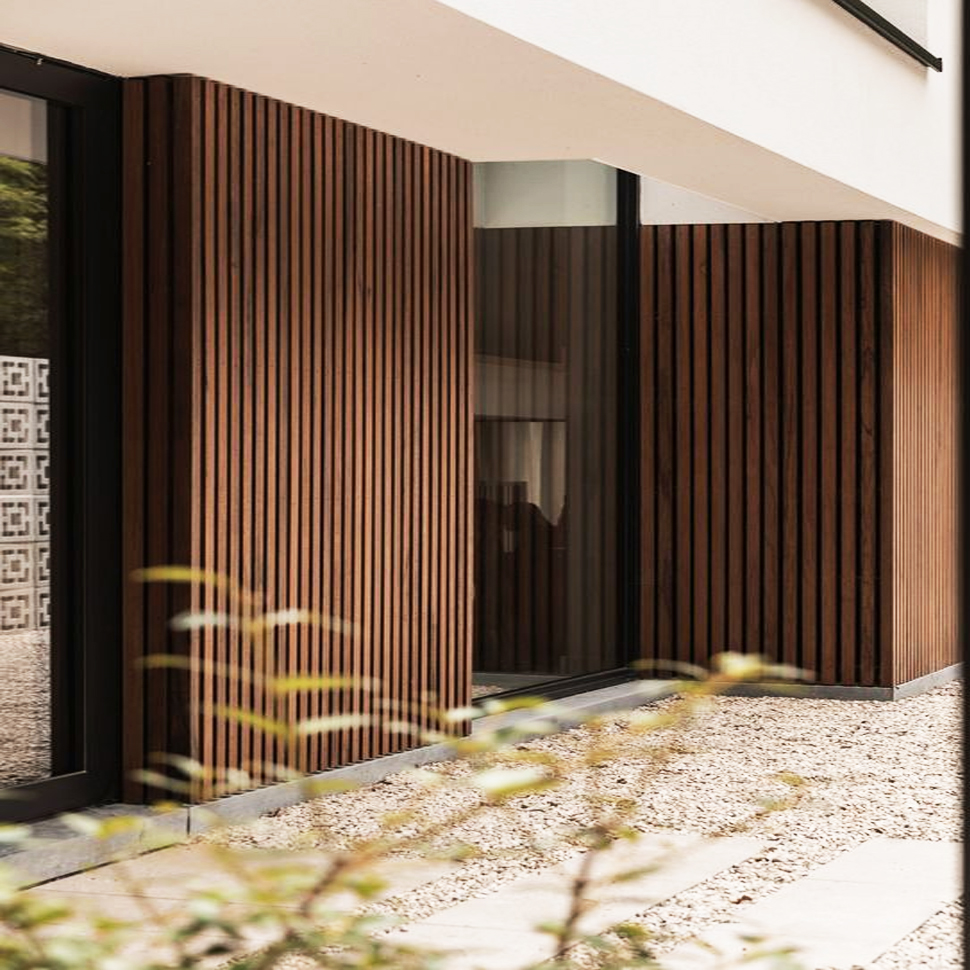
As performance standards improved, WPC panels quickly expanded beyond decking applications. Architects and contractors began specifying WPC materials for wall cladding, fencing systems, public seating, and interior architectural panels. Their dimensional stability, uniform appearance, and adaptability to modern design requirements supported wider adoption across both public and commercial projects.
Environmental considerations have also played a key role in the growth of WPC usage in the United States. The incorporation of recycled plastics and reclaimed wood fibers aligns with green building initiatives and sustainability goals increasingly required in government-funded and institutional projects. As a result, WPC panels are frequently evaluated as part of environmentally responsible material selections.
Today, the U.S. WPC industry continues to develop alongside evolving construction standards. Ongoing research focuses on enhancing surface durability, UV resistance, and long-term structural performance, ensuring that WPC panels remain suitable for demanding engineering applications. With continued innovation and growing acceptance across public and private sectors, WPC panels have firmly established their position within the modern American construction landscape.
Related Blogs
Why U.S. Public Construction Projects Are Increasingly Specifying WPC Panels
From Decking to Wall Cladding: How WPC Panels Expanded Across U.S. Projects
Comparing Traditional Wood and WPC Panels in Long-Term Construction Performance
How Low-Maintenance Materials Are Reshaping U.S. Building Design Decisions