Outdoor WPC Decking: Durable & Low-Maintenance Composite Flooring for Modern Exteriors
WPC Decking: A Complete Guide for Residential, Commercial, and Public Projects
WPC (Wood-Plastic Composite) decking has become one of the most popular materials for modern exterior flooring. Its blend of natural wood fibers and high-strength polymers creates a durable, stable, and low-maintenance product ideal for patios, balconies, gardens, pools, walkways, and large public projects. As more buyers search online for reliable outdoor materials, WPC decking stands out as a long-lasting solution that solves many issues associated with traditional wood.
This article integrates the most frequently searched content on Google—including questions about waterproofing, lifespan, fading, cleaning, and installation—and provides practical, engineering-level solutions suitable for contractors and homeowners.
What Is WPC Decking?
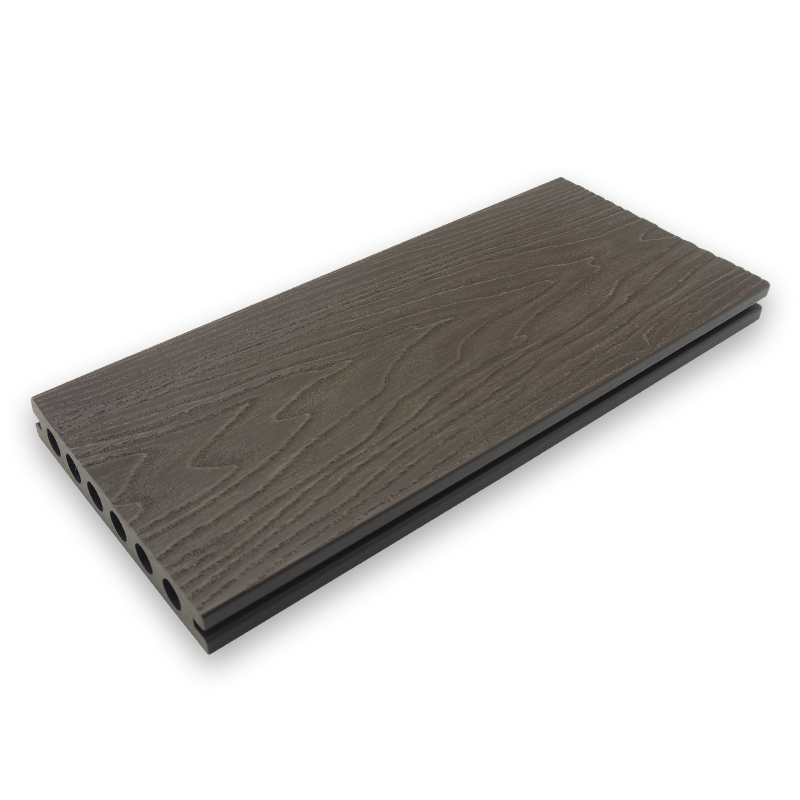
WPC decking is an engineered composite material made from wood fibers, recycled plastics, high-grade polymers, UV stabilizers, and anti-mold additives. This combination creates an outdoor board that maintains the warm look of wood while eliminating problems like rotting, cracking, and insect attacks. Modern co-extruded WPC decking includes a protective outer layer that improves color stability, stain resistance, and durability.
Solution:
The base must be flat, well-drained, and strong. Maintain joist spacing between 30 and 40 cm, depending on the decking thickness. Leave expansion gaps and use hidden fasteners for a clean look.
Best Practices for Installing WPC Decking
To ensure long-lasting performance, follow key installation principles.
Maintain proper ventilation under the deck to avoid moisture buildup. Always leave expansion gaps between boards and around obstacles. Use high-quality fasteners, especially stainless steel clips for hidden installations. For balconies or rooftop decks, ensure that waterproofing membranes are not damaged and drainage channels remain open.
Maintenance Tips
Even though WPC decking is low-maintenance, regular cleaning will keep it looking new. Sweeping away debris prevents mold in shaded areas. Washing with soapy water removes dirt, stains, and pollen. Avoid using harsh chemicals. Once per year, check the clips and screws to ensure everything is secure.
Common Problems and How to Solve Them
If mold appears in areas with poor drainage, cleaning with a deck cleaner and improving airflow will solve the issue. Small scratches can be reduced with light sanding on uncapped boards or gentle heating with a heat gun. If boards shift over time, it usually indicates insufficient expansion space or incorrect installation; reinstalling the affected boards with proper spacing will restore stability.
How to Choose the Right WPC Decking
When selecting decking for your project, consider whether you prefer capped or uncapped boards. Capped boards offer better performance for commercial or high-traffic projects. Also evaluate the color, surface texture, thickness, and load-bearing requirements. Choose boards produced with certified materials, and request test reports if the decking is intended for government, school, or large engineering projects.
Conclusion
Outdoor WPC decking is a strong, stable, and environmentally friendly material suitable for every type of exterior space. It offers the natural beauty of wood without the disadvantages of warping, rotting, or heavy maintenance. Whether you are designing a private backyard, a commercial outdoor area, or a government walkway project, WPC decking delivers reliable long-term performance.
Related Blogs
Why WPC Composite Decking Is Replacing Traditional Wood in Outdoor Flooring Projects
Solid vs Hollow WPC Decking: Which Composite Flooring Is Right for Your Project?
How Long Does WPC Composite Decking Last? Maintenance, Durability & Cost Analysis
Common Problems with Outdoor Decking—and How WPC Composite Flooring Solves Them