Ultimate Guide to WPC Interior Wall Panels: Applications, Types & Benefits
Introduction: What Are WPC Interior Wall Panels?
Composition and Key Features
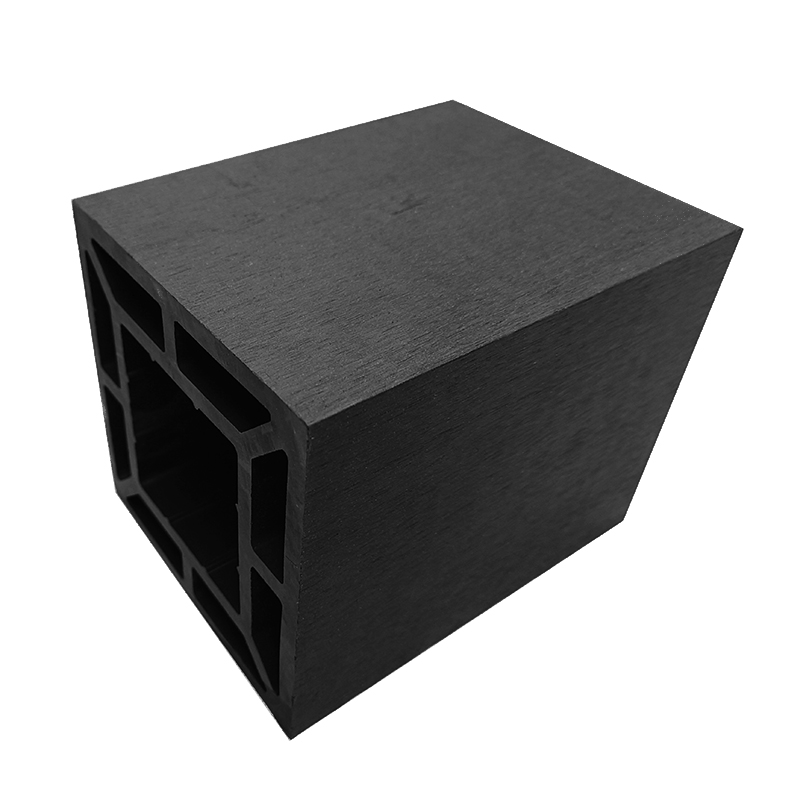
WPC (Wood Plastic Composite) interior wall panels are made from recycled wood fibers and thermoplastics. This combination provides durability, resistance to moisture, and an aesthetically pleasing finish. Unlike traditional timber or PVC panels, WPC panels do not warp, crack, or peel over time.
Why They Are Gaining Popularity
Across Australia, schools, government buildings, and commercial spaces are switching to WPC panels due to their long lifespan, low maintenance, and compliance with fire and hygiene standards. The panels are also versatile in design, allowing a range of textures, colors, and finishes.
Benefits of WPC Interior Wall Panels
Durability and Impact Resistance
WPC panels withstand scratches, bumps, and impacts common in hallways, classrooms, or high-traffic corridors. Solid panels offer maximum strength, while decorative panels maintain visual appeal.
Moisture and Mold Resistance
Unlike timber, WPC panels resist moisture and mold, making them ideal for humid or coastal environments. This ensures cleaner, safer interiors for schools and offices.
Low Maintenance and Long Lifespan
Panels require minimal cleaning, do not need painting, and maintain appearance for 15–25 years. This reduces maintenance costs for public buildings and commercial facilities.
Types of WPC Wall Panels
Solid Panels
Offer maximum durability and are used in high-impact areas such as gyms, corridors, and administrative offices.
Decorative Panels
Designed for aesthetic appeal, these panels are ideal for feature walls, libraries, and reception areas. They mimic timber textures or modern designs while providing durability.
Acoustic Panels
Reduce noise in auditoriums, music rooms, or gyms. Acoustic WPC panels combine sound absorption with impact resistance.
Applications in Australian Projects
Schools and Educational Institutions
WPC panels improve hygiene and durability in classrooms, hallways, and gymnasiums. Several primary and high schools in Victoria and Queensland have successfully implemented them.
Government and Public Buildings
Public offices, community centers, and libraries use WPC panels for their compliance with fire standards, ease of cleaning, and modern appearance.
Residential and Commercial Interiors
Homeowners and office spaces adopt WPC panels for decorative interior walls that are durable, moisture-resistant, and easy to maintain.
Installation Guidelines
Tools and Preparation
Common tools include a measuring tape, level, drill, screws, and protective gloves. Prepare a clean, stable surface before installation.
Step-by-Step Installation
- Measure and plan wall layout.
- Install a stable subframe to support panels.
- Secure panels with corrosion-resistant fasteners.
- Ensure correct alignment and spacing.
- Finish edges with trims or molding for a polished look.
Tips for Coastal or Humid Environments
Use moisture-resistant cores and UV-stabilized panels. Allow proper expansion gaps and ensure ventilation to prevent condensation behind panels.
Maintenance and Longevity
Cleaning Techniques
Wipe panels with water and mild detergent. Avoid abrasive cleaners that may damage the surface.
Inspection and Repair
Check for minor scratches, dents, or loose fasteners. Replace damaged panels promptly to maintain appearance and safety.
Conclusion: Why Choose WPC Interior Wall Panels
WPC interior wall panels offer an ideal combination of durability, low maintenance, aesthetic flexibility, and compliance with Australian standards. From schools and government offices to residential and commercial interiors, these panels provide a long-lasting, eco-friendly solution that meets the needs of high-traffic and moisture-prone environments.