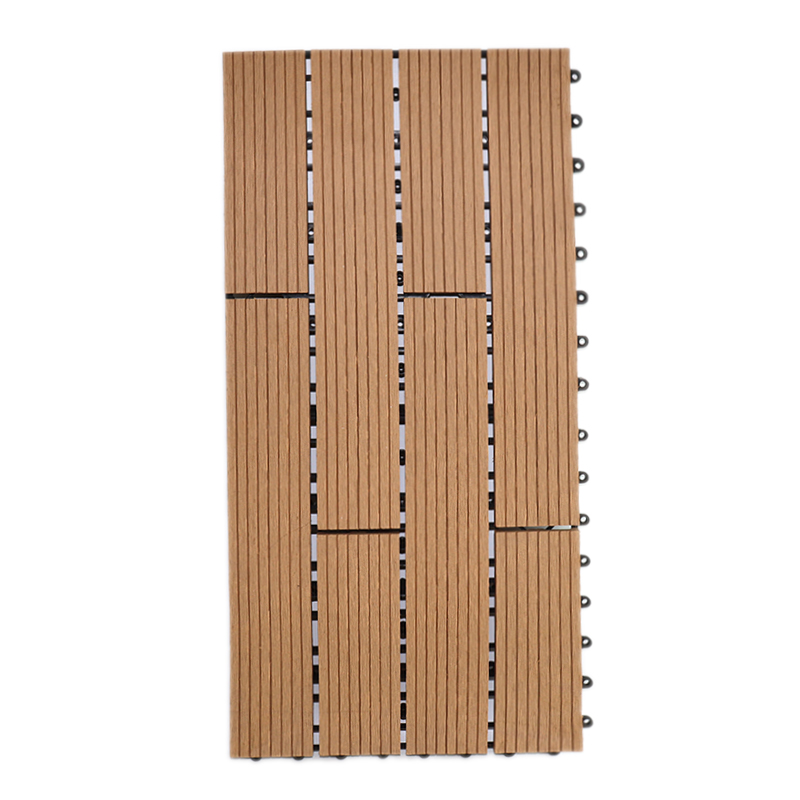
What is wpc timber tube | Composite timber tube applications and benefits
What Is WPC Timber Tube? A Complete Guide for Outdoor and Architectural Applications
WPC timber tube is a wood plastic composite profile used for structural and decorative applications in outdoor projects. made from recycled plastic and wood fibers, it offers strong resistance to moisture, uv exposure, and insects. compared to traditional wood or metal tubes, wpc timber tubes require less maintenance and provide longer service life, making them ideal for pergolas, fencing structures, and modern architectural designs.
Introduction
WPC timber tube is an emerging composite material widely used in modern construction and outdoor architectural projects. Combining the natural appearance of wood with the durability of plastic, WPC (Wood Plastic Composite) timber tubes are designed to provide structural support, decorative value, and long-term performance in demanding environments.
For contractors, architects, and developers, WPC timber tubes offer a versatile alternative to traditional timber and metal tubes, especially in applications where moisture resistance, low maintenance, and design consistency are required.
What Is a WPC Timber Tube?
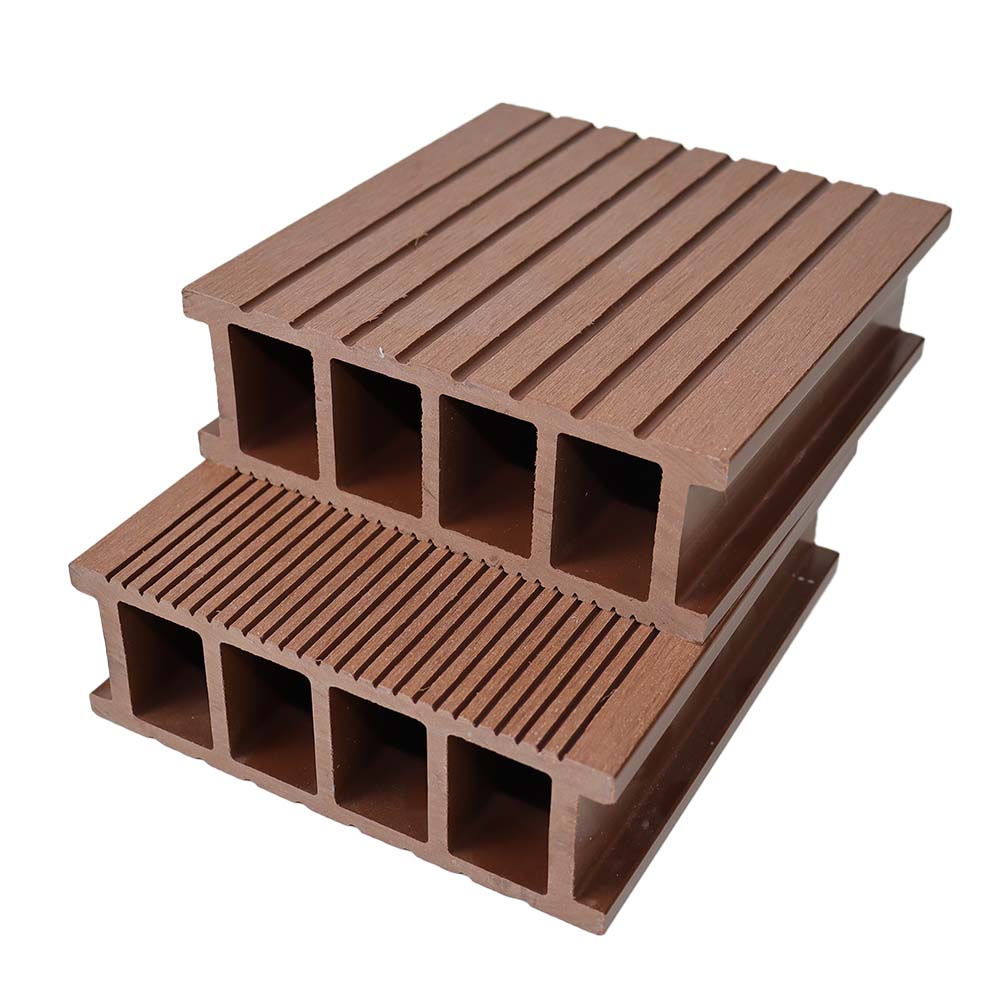
A WPC timber tube is a hollow or solid profile made from a blend of wood fibers and recycled plastic materials such as HDPE. It is produced through an extrusion process, forming a tubular structure that can be used for both structural and decorative purposes.
These tubes are designed to replicate the look of natural timber while offering improved resistance to environmental factors such as water, UV exposure, and insect damage.
Depending on the application, WPC timber tubes can be manufactured in different shapes, including square tubes, rectangular profiles, and customized architectural sections.
Material Composition and Structure
Composite Material Design
WPC timber tubes are typically composed of:
- wood powder or wood fibers
- recycled plastic (hdpe or pvc)
- additives for uv resistance, color stability, and durability
This combination creates a material that retains the aesthetic qualities of wood while eliminating many of its natural weaknesses.
Hollow vs Solid Structure
Most WPC timber tubes are designed with hollow structures to reduce weight and material cost while maintaining sufficient strength for architectural applications.
Solid profiles are also available for applications requiring higher load-bearing capacity, although they are generally heavier and more expensive.
Key Advantages of WPC Timber Tubes
Excellent Weather Resistance
WPC timber tubes are highly resistant to moisture, UV radiation, and temperature changes. Unlike natural wood, they do not absorb water easily, which prevents swelling, cracking, or decay.
This makes them suitable for outdoor environments such as gardens, parks, coastal areas, and high-humidity regions.
Low Maintenance Requirements
One of the main advantages of WPC materials is their low maintenance. WPC timber tubes do not require painting, staining, or sealing.
Routine cleaning is usually sufficient to maintain their appearance, significantly reducing long-term maintenance costs in both residential and commercial projects.
Durability and Long Service Life
WPC timber tubes are resistant to insects, mold, and corrosion. Their composite structure provides stable performance over time, even in harsh environmental conditions.
Compared to traditional wood, they offer a longer service life and more consistent structural integrity.
Aesthetic Flexibility
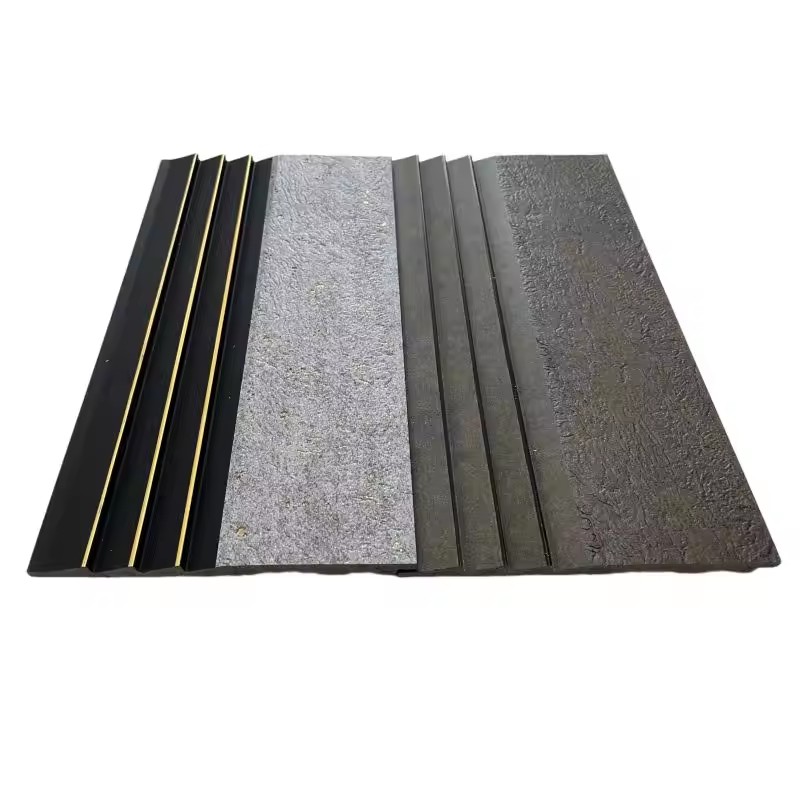
WPC timber tubes are available in various colors, finishes, and textures, including wood grain patterns. This allows them to be used in both functional and decorative applications, helping designers achieve a natural and modern look.
Applications in Construction and Design
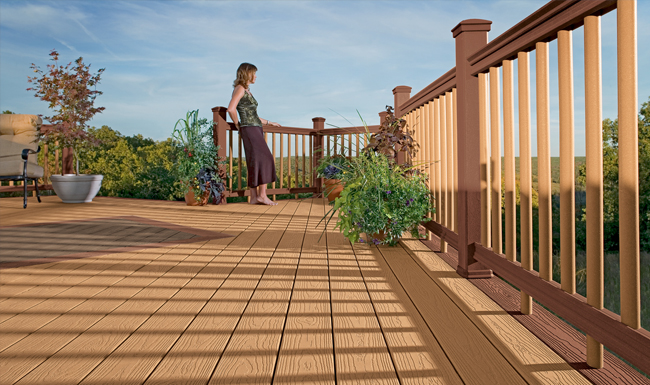
WPC timber tubes are widely used in a range of outdoor and architectural applications, including:
- pergolas and outdoor shading structures
- garden pavilions and landscape features
- fencing frames and structural supports
- railing and balustrade systems
- decorative facade elements
- ceiling frameworks and interior design features
In a landscape project in Southeast Asia, WPC timber tubes were used to construct a pergola structure in a resort environment. Despite constant exposure to humidity and sunlight, the structure maintained its stability and appearance without requiring regular maintenance.
In commercial architectural applications, WPC tubes are often used as decorative vertical elements in building facades, providing both shading and aesthetic value.
Comparison with Traditional Materials
Compared to traditional wood, WPC timber tubes offer better resistance to moisture, insects, and weathering, while requiring significantly less maintenance.
Compared to metal tubes, WPC materials provide a warmer, more natural appearance and do not suffer from corrosion in coastal or humid environments.
This makes WPC timber tubes a balanced solution for projects that require both performance and design flexibility.
Installation and Design Considerations
WPC timber tubes are typically installed using metal connectors, brackets, or internal reinforcement systems depending on the structural requirements.
For load-bearing applications, proper support design and spacing are essential to ensure safety and stability. In decorative applications, lightweight hollow tubes are often sufficient.
Modular design and prefabrication can further improve installation efficiency, especially in large-scale commercial or public projects.
Conclusion – A Versatile Material for Modern Projects
WPC timber tubes represent a practical and modern alternative to traditional construction materials. With their combination of durability, low maintenance, and aesthetic versatility, they are well suited for both structural and decorative applications.
For contractors, architects, and developers looking for reliable outdoor solutions, WPC timber tubes provide a cost-effective and long-lasting option that meets the demands of contemporary construction and design.