Why Australia is Rapidly Replacing Traditional Timber with Composite Decking
Why Australia is Rapidly Replacing Traditional Timber with Composite Decking
For decades, timber decking has been one of the most recognizable features of Australian outdoor living. From suburban backyards and poolside entertainment areas to coastal boardwalks and commercial hospitality venues, timber has long been the preferred material for creating functional outdoor spaces.
However, a significant shift is taking place across Australia. Homeowners, architects, builders, landscape designers, and government authorities are increasingly choosing composite decking instead of traditional timber. What was once considered a niche alternative has rapidly become one of the fastest-growing segments of the Australian outdoor construction market.
This transformation is not simply a matter of changing design trends. It is being driven by practical challenges associated with Australia's harsh climate, rising maintenance costs, sustainability concerns, and the growing demand for long-lasting building materials.
As outdoor living continues to play a central role in Australian lifestyles, composite decking is proving to be a smarter and more sustainable solution for both residential and commercial projects.
Australia's Unique Climate Creates Challenges for Timber Decking
Australia presents one of the most demanding environments for outdoor building materials anywhere in the world.
Unlike many regions where weather conditions remain relatively stable throughout the year, Australia experiences a combination of intense sunlight, extreme heat, coastal salt exposure, seasonal storms, high humidity in some regions, and prolonged drought conditions in others.
These environmental factors can significantly accelerate the deterioration of traditional timber decking.
In Queensland and Northern Territory, intense UV radiation causes timber surfaces to fade, crack, and dry out over time. In coastal regions such as Sydney, Perth, and the Gold Coast, salt-laden air contributes to surface degradation and increases maintenance requirements.
Meanwhile, areas that experience heavy rainfall can create moisture-related issues such as swelling, warping, mold growth, and rot.
Even premium hardwood species struggle to maintain their original appearance without regular maintenance.
As a result, many property owners find themselves investing considerable time and money into preserving timber decks year after year.
The Hidden Cost of Timber Deck Maintenance
When homeowners initially compare decking materials, timber often appears to be the more affordable option.
However, the true cost of decking extends far beyond the initial purchase price.
A timber deck requires ongoing maintenance throughout its lifespan to preserve both appearance and structural performance.
This maintenance often includes:
Annual cleaning.
Sanding weathered surfaces.
Applying oil or stain treatments.
Replacing damaged boards.
Repairing loose fasteners.
Addressing moisture-related issues.
Protecting against termites and fungal decay.
For large residential decks or commercial installations, these maintenance expenses can become substantial over time.
Many Australian homeowners discover that after ten to fifteen years, the combined cost of maintenance and repairs may exceed the original installation cost.
Composite decking eliminates many of these recurring expenses.
Unlike timber, composite boards do not require annual staining, painting, or sealing. Routine cleaning with water and mild detergent is generally sufficient to maintain their appearance.
This reduction in maintenance has become one of the strongest selling points driving adoption throughout Australia.
The Rise of Outdoor Living Spaces
Australia has one of the strongest outdoor living cultures in the world.
Outdoor entertaining areas are often viewed as extensions of indoor living spaces rather than separate parts of a property.
Modern residential developments increasingly feature:
Outdoor kitchens.
Poolside lounges.
Covered entertainment zones.
Garden relaxation areas.
Rooftop terraces.
Community recreation spaces.
Property owners expect these spaces to remain attractive and functional throughout the year with minimal upkeep.
Composite decking aligns perfectly with these expectations.
Its consistent appearance, durability, and low maintenance requirements allow homeowners to spend more time enjoying outdoor spaces rather than maintaining them.
As consumer expectations evolve, demand for premium outdoor building materials continues to grow.
Why Composite Decking Performs Better in Australian Conditions
One of the key reasons for the rapid growth of composite decking is its ability to withstand Australia's challenging environmental conditions.
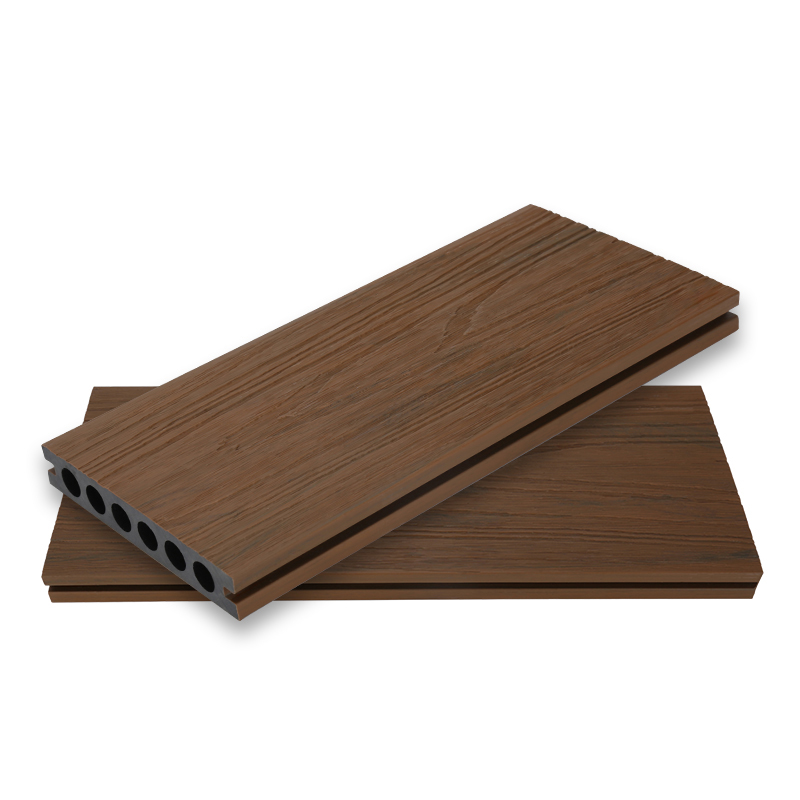
Modern co-extrusion composite decking combines recycled wood fibers with high-performance polymers to create a highly durable material engineered specifically for outdoor use.
The protective outer layer acts as a shield against moisture, UV exposure, staining, and everyday wear.
Unlike traditional timber, composite decking resists:
Cracking.
Splitting.
Warping.
Rotting.
Insect damage.
Color fading.
Surface deterioration.
This enhanced durability translates directly into longer service life and lower maintenance costs.
For homeowners seeking a long-term investment, composite decking offers considerable advantages.
Increasing Demand in Coastal Areas
Australia's coastal regions have become some of the largest markets for composite decking.
Properties located near the ocean face unique environmental challenges.
Salt spray, humidity, strong sunlight, and shifting temperatures create conditions that can quickly degrade timber structures.
Composite decking performs exceptionally well in these environments.
Its moisture-resistant construction helps prevent swelling and decay, while advanced UV stabilizers reduce fading caused by prolonged sun exposure.
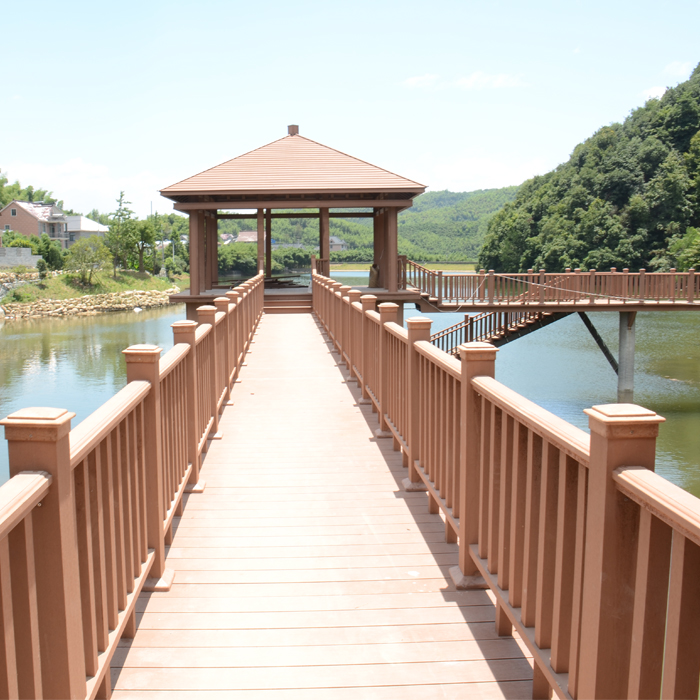
Many coastal property developers now specify composite decking as the preferred material for boardwalks, marinas, waterfront restaurants, resorts, and beachfront residential projects.
The ability to maintain appearance with minimal maintenance makes composite decking particularly attractive for coastal developments.
Bushfire Awareness Is Influencing Material Selection
Bushfires have become an increasingly important consideration in Australian construction.
Many regions now require greater attention to material performance and fire resistance when planning outdoor structures.
While no decking material is entirely immune to fire, many modern composite decking products are engineered to achieve improved fire performance compared with conventional timber.
Builders and property owners are paying closer attention to material specifications that support safer construction practices.
As bushfire awareness continues to influence building decisions, demand for advanced composite materials is expected to increase further.
Sustainability Is Becoming a Purchasing Priority
Environmental responsibility has become an important factor for Australian consumers and developers.
Many buyers now consider the environmental impact of construction materials before making purchasing decisions.
Composite decking contributes to sustainability in several ways.
Many products are manufactured using recycled plastics and reclaimed wood fibers.
The long service life reduces the frequency of replacement.
Lower maintenance requirements decrease the use of paints, stains, and chemical treatments.
Reduced demand for tropical hardwoods helps conserve natural forest resources.
These sustainability advantages align with broader environmental goals embraced by governments, developers, and homeowners throughout Australia.
Commercial and Government Projects Are Driving Growth
The popularity of composite decking extends well beyond residential applications.
Local councils, schools, public parks, tourism facilities, and commercial developers are increasingly specifying composite decking for large-scale projects.
Government organizations often evaluate materials based on lifecycle costs rather than initial purchase price alone.
When maintenance, repairs, and replacement costs are considered over a twenty-five to thirty-year period, composite decking frequently delivers superior value.
This long-term economic advantage has accelerated adoption in public infrastructure projects across Australia.
Many municipalities now use composite decking for:
Public parks.
Boardwalks.
Educational facilities.
Observation platforms.
Community recreation areas.
Tourism infrastructure.
Pedestrian bridges.
The trend is expected to continue as local governments seek durable and sustainable construction solutions.
Composite Decking and Property Value
Real estate professionals increasingly recognize the value of high-quality outdoor living spaces.
A well-designed deck can significantly enhance a property's visual appeal and marketability.
Because composite decking maintains its appearance for many years with minimal maintenance, it can contribute positively to property value.
Prospective buyers are often attracted to features that reduce future maintenance obligations.
For homeowners planning to sell in the future, composite decking can become a valuable selling point.
Future Market Trends
Industry analysts expect Australia's composite decking market to continue expanding over the coming decade.
Several factors support this forecast.
Growing awareness of maintenance costs.
Increasing labor expenses.
Stricter sustainability requirements.
Expansion of outdoor living trends.
Rising demand for premium residential developments.
Growth in government infrastructure investment.
As product technology continues to improve, composite decking is becoming more realistic in appearance while delivering even greater performance.
These advancements are likely to further accelerate the transition away from traditional timber.
Conclusion
Australia's shift from timber decking to composite decking reflects a broader change in how property owners evaluate outdoor construction materials.
While timber remains a familiar and attractive option, its ongoing maintenance requirements and vulnerability to harsh environmental conditions present significant challenges.
Composite decking offers a practical alternative that combines durability, aesthetics, sustainability, and long-term value.
For homeowners, builders, architects, and government planners seeking reliable outdoor solutions, composite decking has become more than just an alternative to timber—it is increasingly becoming the preferred choice.
As Australia's outdoor living culture continues to evolve, composite decking is positioned to play a leading role in shaping the next generation of residential, commercial, and public outdoor spaces.