WPC Balustrade Guide for Australian Public & Commercial Projects
How to Choose WPC Balustrades for Safety and Design in Australian Public Projects
Why Balustrade Selection Matters in Public Infrastructure
In Australian public and commercial construction, balustrades are not merely decorative elements. They serve as critical safety barriers in elevated walkways, balconies, public viewing platforms, and school facilities.
Improper material selection can result in structural failure, increased maintenance costs, and non-compliance with local building regulations. For councils, architects, and contractors, balustrade systems must satisfy three primary criteria: structural integrity, environmental durability, and aesthetic integration.
WPC (Wood Plastic Composite) balustrades are increasingly specified in public projects due to their ability to balance these requirements.
Structural Safety Requirements in Australia
Public balustrades in Australia must comply with load-bearing requirements defined under the National Construction Code (NCC). These standards ensure guardrails withstand horizontal forces caused by crowd pressure, impact, and environmental loads.
In states such as Queensland and Victoria, public infrastructure must also consider wind loads and environmental exposure.
When selecting WPC balustrade systems, key structural considerations include:
- Reinforced internal aluminum or steel core (if required)
- Post anchoring method (surface mount vs embedded)
- Spacing between vertical balusters
- Top rail impact resistance
Solid composite posts combined with internal metal reinforcement are typically recommended for high-traffic government projects.
Performance in Coastal and High-UV Environments
In coastal regions such as Western Australia, balustrade systems must resist salt corrosion and UV degradation.
Traditional timber balustrades require regular sealing and repainting. Powder-coated steel systems may corrode over time in marine air if coatings are compromised.
WPC balustrades offer:
- Resistance to rot and termite damage
- Stable color performance under UV exposure
- Reduced risk of corrosion when paired with stainless hardware
For beachfront walkways and coastal viewing decks, composite systems provide a long-term performance advantage.
Application in Schools and Public Parks
School campuses and public parks present specific safety concerns. Children frequently lean against guardrails or apply dynamic loads.
In these environments, balustrade systems should prioritize:
- Smooth surface finishing (no splinters)
- Rounded edge profiles
- Consistent structural rigidity
- Secure base anchoring
Unlike timber, WPC balustrades do not crack or splinter over time, which significantly reduces injury risk in high-contact public settings.
Integration with WPC Decking Systems
One of the key advantages of WPC balustrades is seamless integration with composite decking platforms.
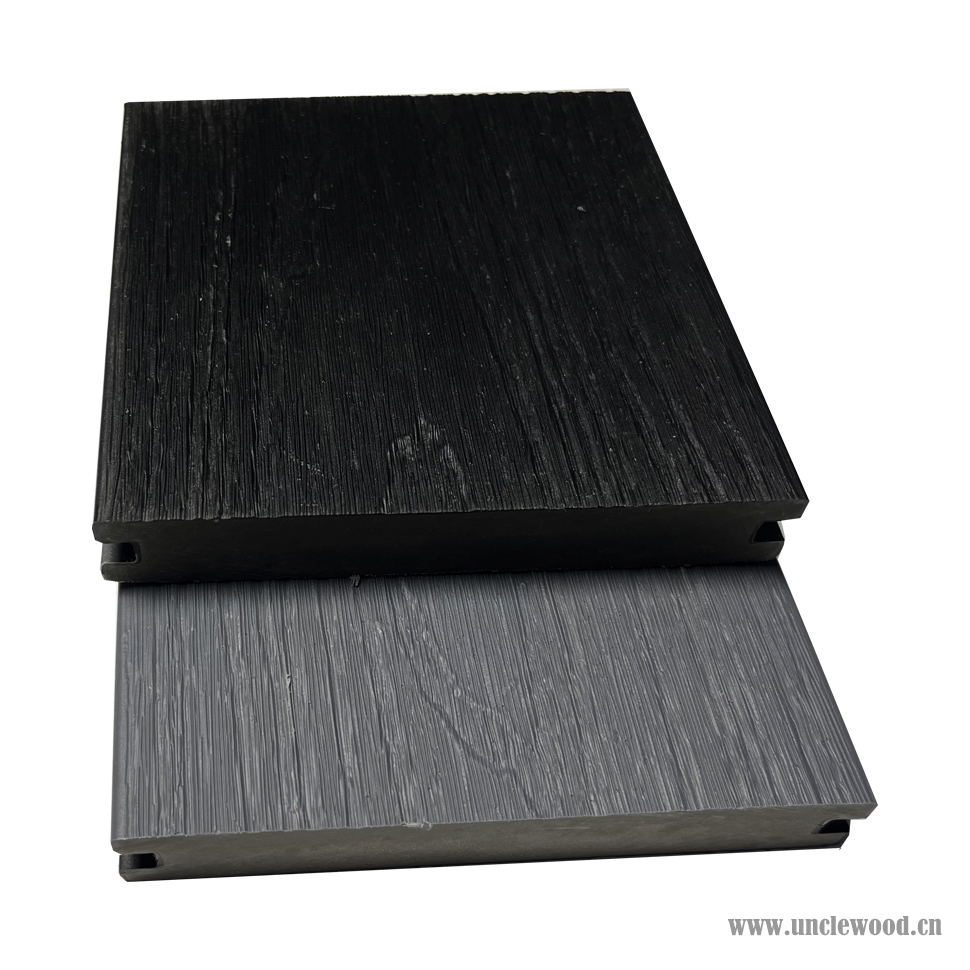
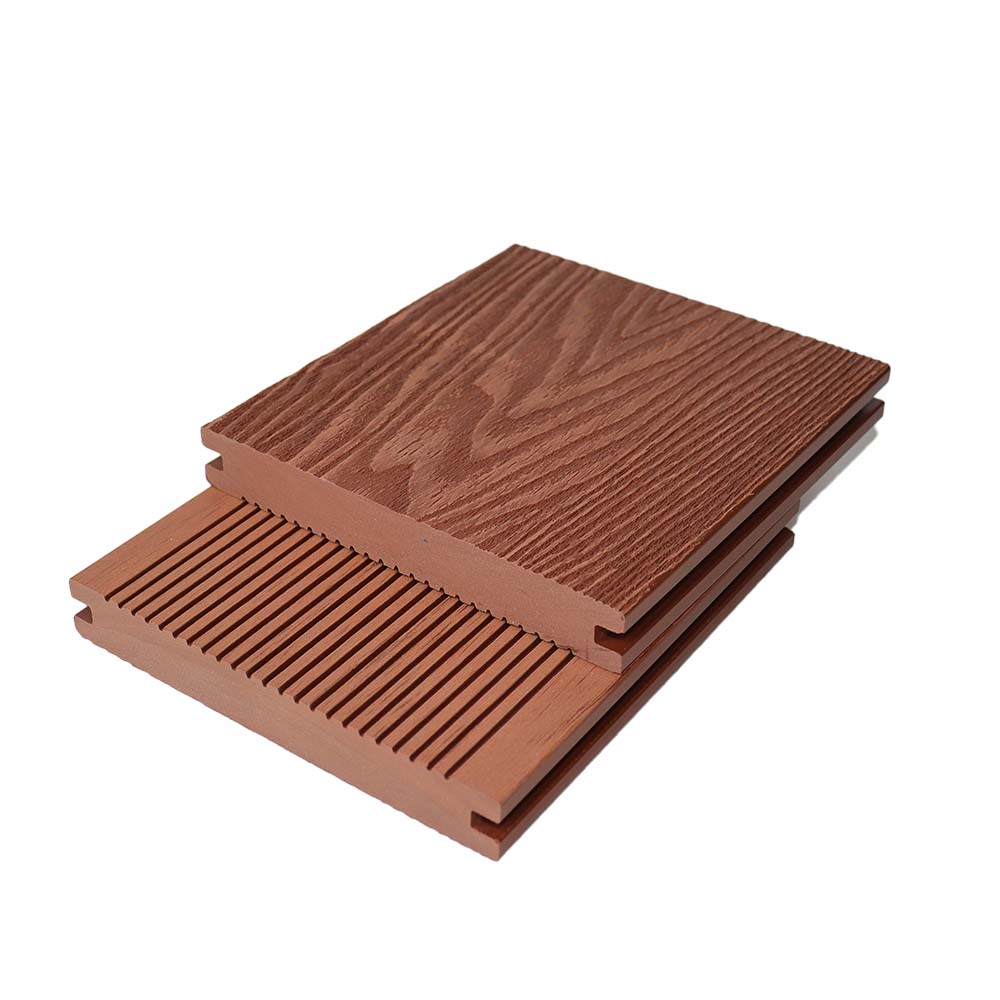
For projects using solid outdoor WPC decking, matching balustrade systems create visual continuity while maintaining consistent material performance. This is particularly important in:
- Public boardwalks
- Government office terraces
- Resort developments
- Elevated pedestrian bridges
Architectural consistency strengthens project identity and enhances perceived quality.
Design Flexibility for Architects
Modern WPC balustrade systems are no longer limited to traditional vertical picket styles. Available configurations may include:
- Horizontal slat railings
- Glass-panel hybrid systems
- Decorative privacy screens
- Integrated lighting channels
For contemporary civic developments, this flexibility allows architects to balance safety compliance with modern design language.
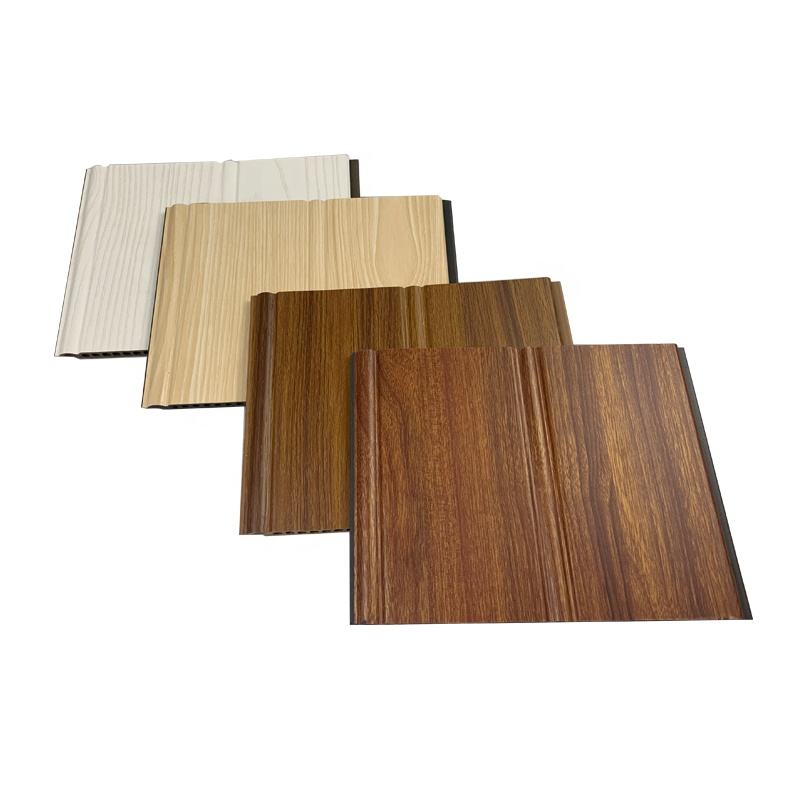
Color options such as teak, coffee, and charcoal tones also enable better alignment with decking and facade materials.
Installation Considerations and Engineering Precision
Correct installation is critical for long-term safety performance.
Public projects should ensure:
- Proper anchor bolt depth and concrete strength
- Accurate baluster spacing in compliance with child-safety codes
- Expansion allowance for temperature variation
- Use of marine-grade fasteners in coastal areas
Professional installation documentation is especially important in government contracts where compliance records may be audited.
Lifecycle Cost and Maintenance
Unlike painted steel or timber systems, WPC balustrades do not require annual refinishing. Routine cleaning with water is typically sufficient.
In commercial or council-maintained environments, this significantly reduces long-term operational expenditure.
Over a projected 15–20 year service life, maintenance savings can offset higher initial installation costs.
Why Government Projects Are Moving Toward Composite Balustrades
Australian councils and developers are increasingly prioritizing materials that combine safety performance with long-term durability.
WPC balustrade systems deliver:
- Structural reliability
- Reduced maintenance cycles
- UV and moisture resistance
- Visual integration with composite decking
For public infrastructure where safety and longevity are paramount, composite railing systems provide a practical and future-ready solution.
Conclusion
Selecting the correct balustrade system for Australian public and commercial projects requires careful evaluation of safety standards, environmental exposure, and lifecycle performance.
WPC balustrades offer a balanced solution that meets structural compliance while reducing maintenance demands. When paired with composite decking platforms, they create cohesive and durable outdoor environments suited to Australia’s demanding climate.
For councils, architects, and contractors seeking long-term infrastructure value, composite balustrade systems represent a reliable specification choice.