WPC vs Timber Decking in Coastal Areas: Durability, Cost & Maintenance
Introduction: Coastal Challenges for Decking
Why Coastal Environments Are Harsh for Decking
Coastal areas in Australia face high humidity, salty air, strong UV radiation, and occasional heavy storms. These conditions accelerate the wear and tear of outdoor decking, causing timber to warp, crack, or rot if not properly treated.
Common Problems with Timber Decking
Traditional timber decks require regular sealing, staining, and sanding. Even high-quality hardwoods like Merbau or Spotted Gum can deteriorate under constant sun and salt exposure. Mold, splintering, and color fading are common complaints in coastal residential and public projects.
Comparing WPC and Timber Decking
Durability and Weather Resistance
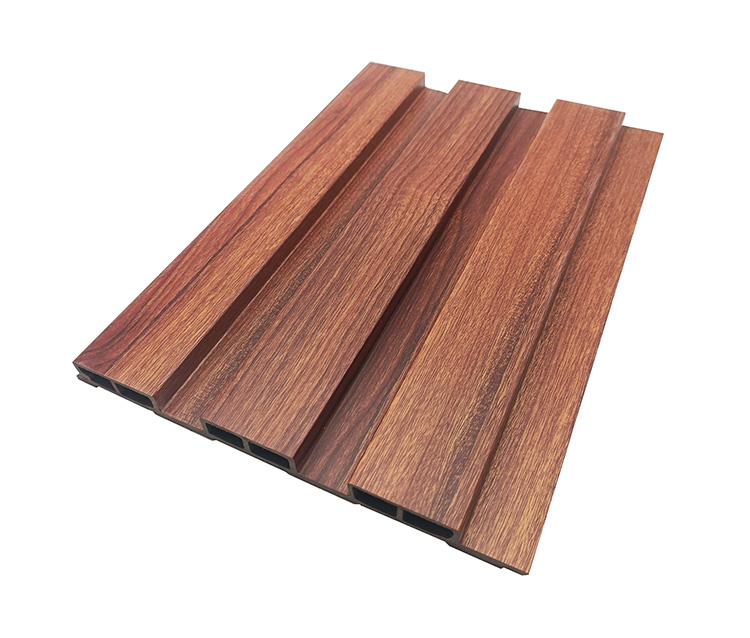
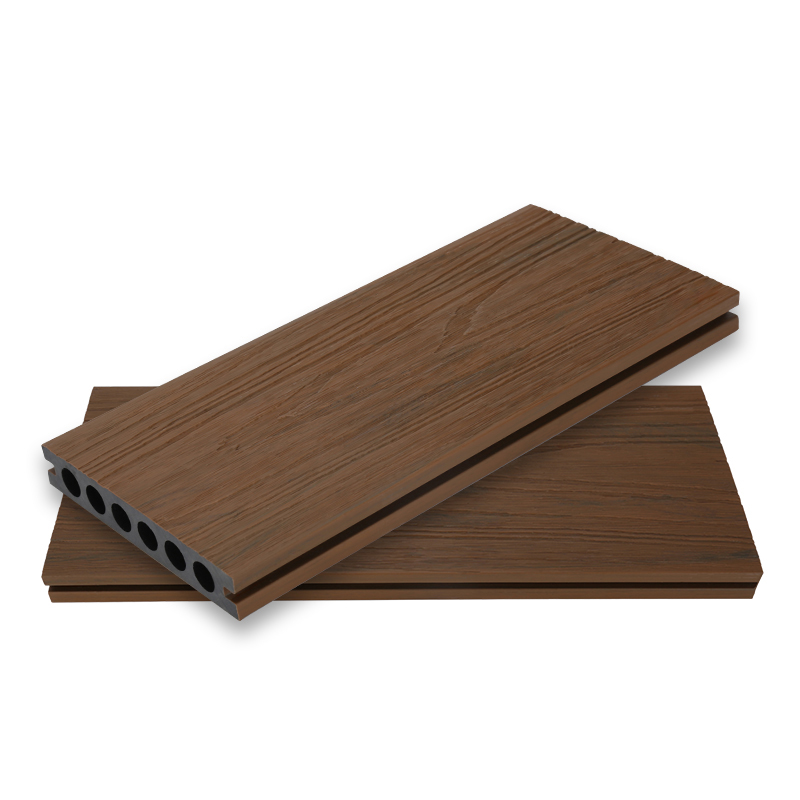
WPC decking is manufactured from a combination of recycled wood fibers and plastics, offering superior resistance to moisture, UV rays, and termites. In coastal climates, WPC boards maintain structural integrity and appearance for 15–25 years, often outperforming timber.
Maintenance Requirements
While timber decks demand regular maintenance, WPC boards need only occasional washing with water and mild detergent. No sealing, sanding, or staining is required, saving time and reducing long-term costs.
Cost and Lifespan
Initial cost for WPC decking may be slightly higher than timber, but the reduced maintenance and longer lifespan make it a better long-term investment, especially for public walkways, resorts, and government projects.
Environmental and Aesthetic Considerations
Sustainability of WPC vs Timber
WPC often uses recycled wood and plastics, reducing the demand for virgin timber and minimizing environmental impact. Timber sourced sustainably can also be eco-friendly, but over-harvesting and chemical treatments may offset the benefits.
Appearance and Design Flexibility
WPC boards come in a wide range of colors, textures, and finishes, mimicking natural wood grain while offering consistency and uniformity. Timber varies naturally and may require frequent refinishing to maintain its aesthetic appeal.
Case Studies: Coastal Decking Projects in Australia
Residential Coastal Decks in Victoria
Several homes along the Mornington Peninsula replaced aging timber decks with WPC boards to withstand the salty sea breeze. Homeowners reported reduced maintenance and no warping after 3 years.
Government Park Walkways in Queensland
Queensland’s coastal parks upgraded public walkways to WPC decking. The boards resist heavy foot traffic and require minimal upkeep, meeting strict safety and durability standards for public projects.
Coastal Resort Decking in Western Australia
A luxury resort on WA’s coast selected WPC for its outdoor dining and leisure areas. The composite decking maintained color and texture despite constant exposure to sun, salt, and foot traffic.
Installation Tips for Coastal Decking
Choosing Materials and Finishes
Select UV-stabilized, salt-resistant WPC boards. Hollow boards are ideal for light residential projects, while solid boards handle high-traffic areas. Choose finishes with slip resistance for safety.
Proper Installation Practices
Ensure proper subframe drainage to prevent standing water. Allow expansion gaps for temperature variations. Use corrosion-resistant fasteners designed for outdoor environments.
Conclusion: Which Decking Material to Choose
In coastal regions, WPC decking offers superior durability, minimal maintenance, and long-term cost savings compared to traditional timber. While timber retains natural beauty, its susceptibility to weathering makes WPC the preferred choice for residential, commercial, and public projects in Australia. For homeowners, schools, resorts, and government facilities looking for sustainable, reliable, and visually appealing decking, WPC is the smart investment.
Related Blogs
WPC Decking for Australian Council Projects | Public Space & Infrastructure Solutions
Co-Extruded WPC Decking Australia | Coastal & Public Infrastructure Solutions
Co-Extruded WPC Decking in Hotel, Government & School Projects | Case Study
Co-Extruded WPC Decking vs Ordinary WPC | Durable Outdoor Flooring Solutions