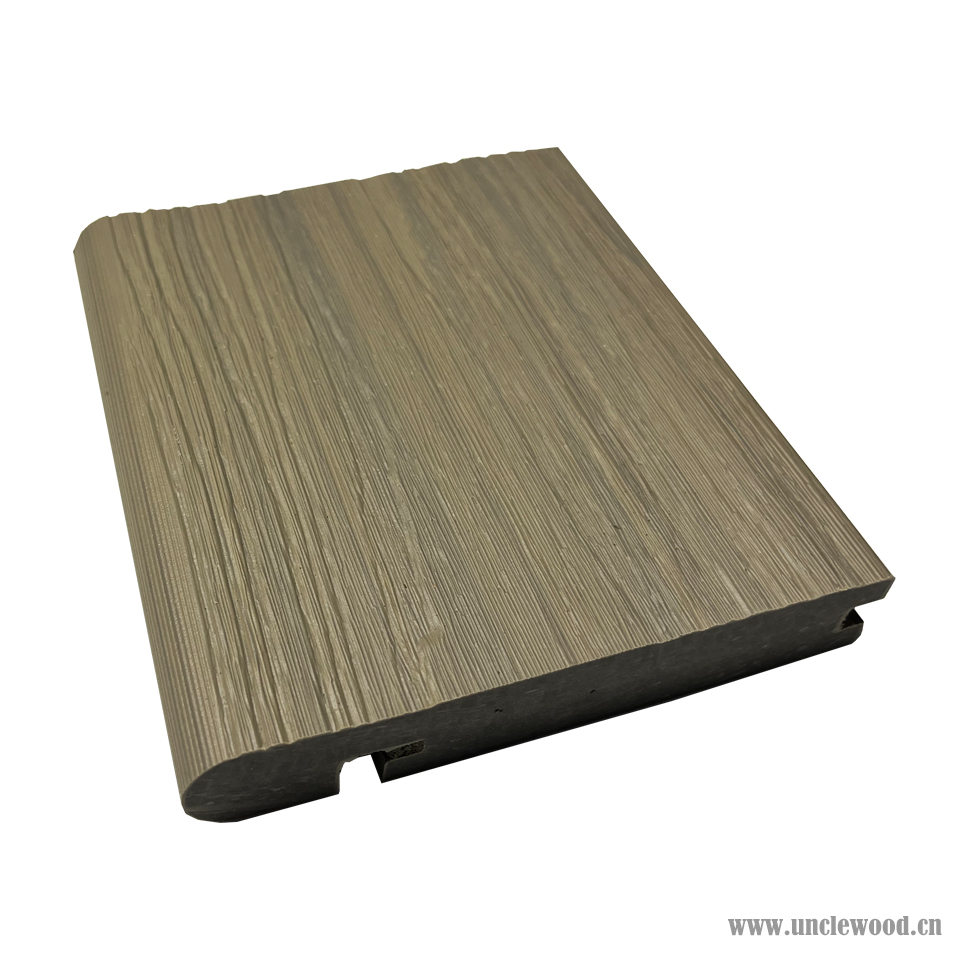
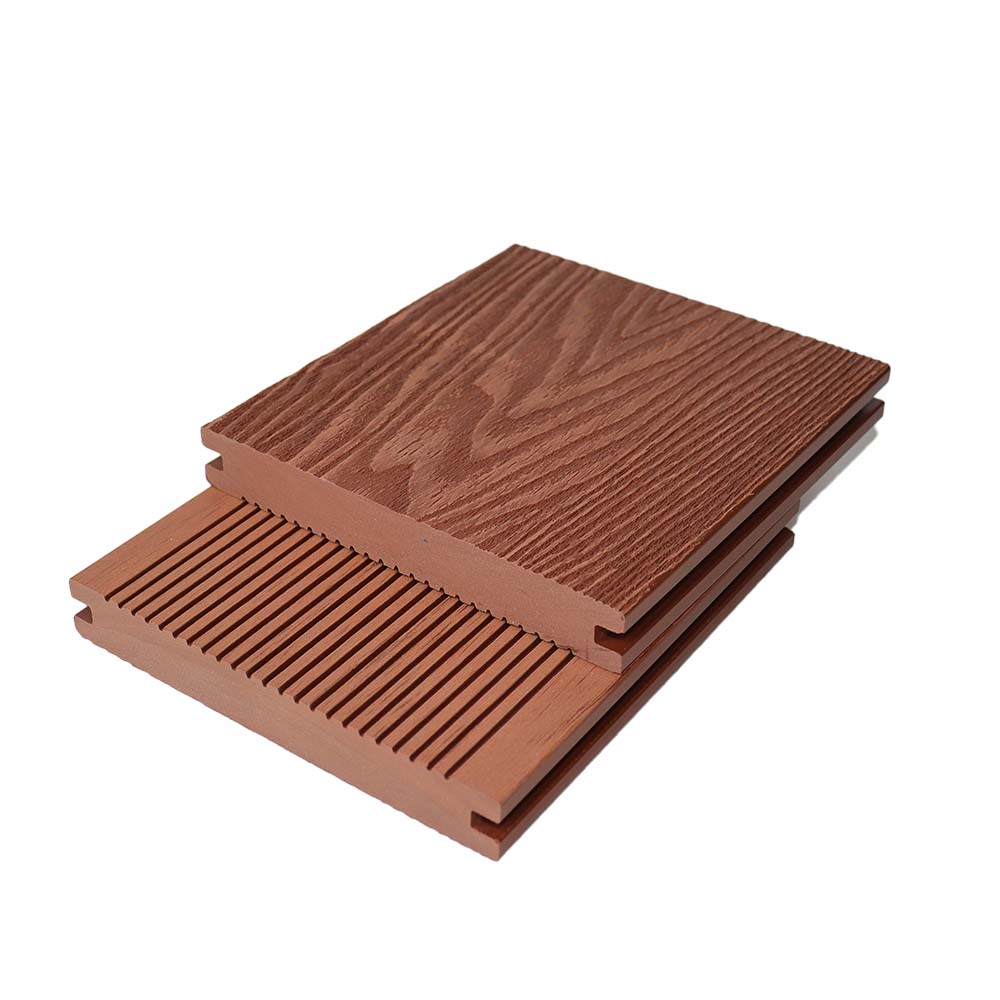
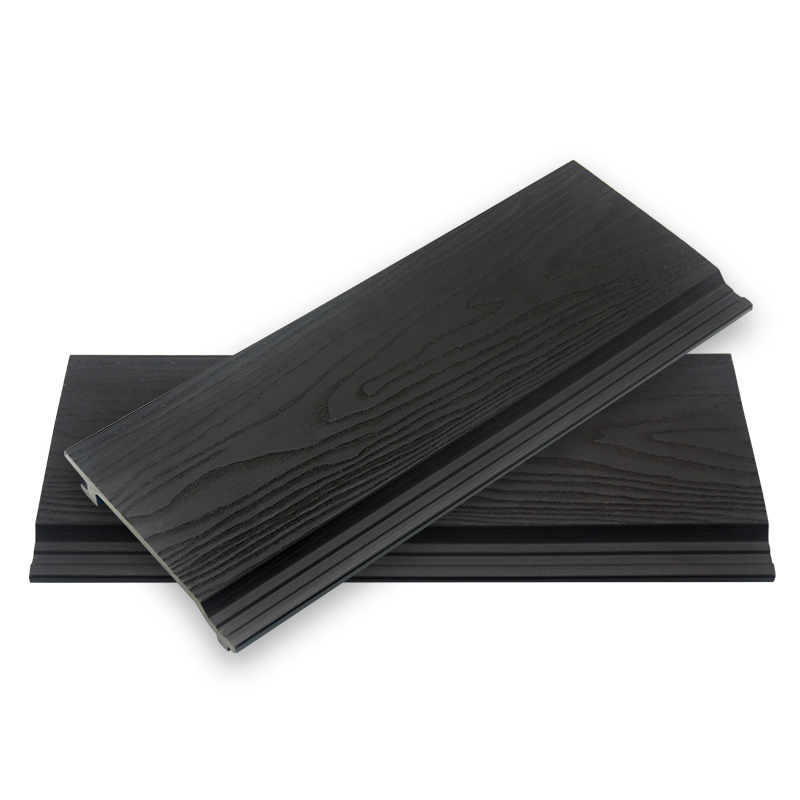
WPC Great Wall Wall Panels for Government, School, and Public Buildings in Australia
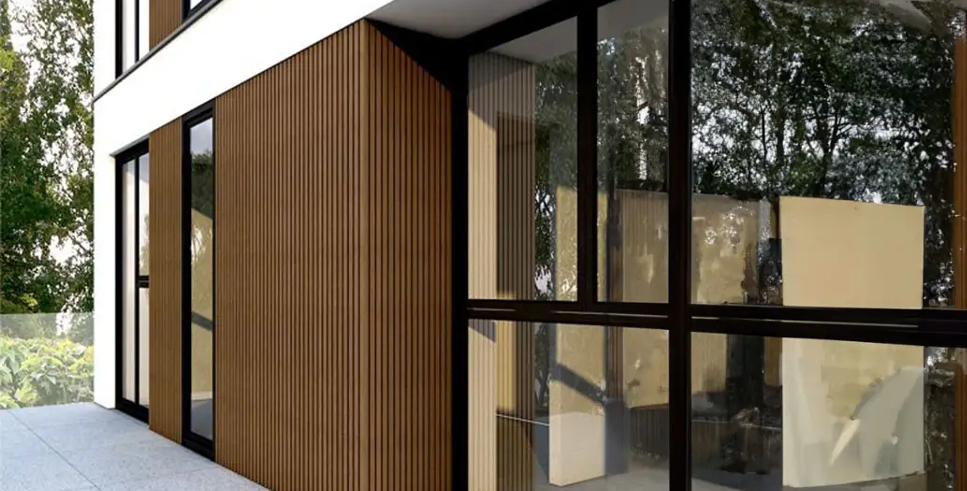
WPC Composite Great Wall Wall Panels in Australian Government, School, and Public Infrastructure Projects
Public-sector construction in Australia places strong emphasis on durability, safety, compliance, and long-term value. Government buildings, educational facilities, and public infrastructure projects require materials that can withstand heavy daily use while maintaining a professional and welcoming appearance over time.
This case-focused article examines how WPC composite fluted wall panels have been applied in Australian public projects, highlighting their performance in environments where reliability and lifecycle cost are critical decision factors.
Project Context: Public-Focused Building Requirements
Unlike private developments, public infrastructure projects are typically governed by strict procurement standards and performance criteria. Materials must meet defined benchmarks for durability, dimensional stability, and safety while also supporting efficient installation and predictable maintenance cycles.
In several Australian state-funded projects—including public service buildings, school campuses, and community facilities—WPC Great Wall wall panels were specified for semi-outdoor corridors, façade accents, and sheltered circulation zones. These areas experience constant foot traffic, environmental exposure, and regular cleaning, making material resilience a top priority.
Application in Government Facilities
In government office complexes and municipal buildings, the panels were primarily used as architectural wall features in covered exterior walkways and public-facing façades. The linear Great Wall profile helped establish a clean, contemporary identity while avoiding the high-maintenance demands associated with natural timber cladding.
Facility managers valued the composite panels for their resistance to surface damage and consistent appearance. The ability to maintain visual uniformity without repainting or refinishing supported long-term asset management strategies commonly adopted in government-owned properties.
School and Educational Campus Installations
Educational environments introduce additional challenges, including high-impact usage, exposure to weather, and the need for safe, low-maintenance materials. In primary and secondary school projects across Australia, WPC composite fluted wall panels were installed in outdoor learning zones, sheltered walkways, and boundary feature walls.
The panels provided a warm, timber-like aesthetic that aligned with contemporary school design trends while offering greater durability than traditional wood. Their smooth yet textured surface reduced splinter risk, making them suitable for high-contact areas frequented by students.
School administrators also emphasized the advantage of reduced maintenance requirements, as ongoing refurbishment can disrupt academic schedules and increase operational costs.
Public Infrastructure and Community Spaces
In public infrastructure projects such as transport-adjacent facilities, community centers, and recreational buildings, the panels were selected for their ability to maintain structural and visual performance under continuous public use.
The concealed fixing system contributed to a clean finish while minimizing exposed hardware that could be subject to tampering or corrosion. Additionally, the modular panel format allowed for efficient replacement of individual sections if required, an important consideration for public assets designed for long service life.
Long-Term Value and Maintenance Considerations
Across government and public-sector projects, lifecycle cost analysis played a significant role in material selection. While initial material costs are always evaluated, long-term maintenance, repair, and replacement expenses often carry greater weight in public procurement decisions.
WPC composite fluted wall panels demonstrated value by reducing the need for surface treatments, minimizing weather-related deterioration, and maintaining consistent appearance over time. These factors collectively support more predictable budgeting and reduced maintenance intervention across the building’s lifespan.
Conclusion: A Practical Wall Panel Solution for Public Projects in Australia
The use of WPC composite Great Wall wall panels in Australian government, school, and public infrastructure projects highlights their suitability for high-demand environments. By balancing durability, safety, and design flexibility, the panels meet the practical needs of public-sector construction while supporting modern architectural outcomes.
For project planners, architects, and public authorities seeking reliable wall cladding solutions with long-term performance benefits, WPC Great wall panels offer a compelling option for Australia’s public buildings and community spaces.
Related Blogs
What Is Exterior Cladding? The Best Wall Cladding Options To Consider For A House
What Is WPC Wall Cladding? Different Types, Styles & Advantages
What is WPC wall panel-WPC Wood Grain laminated Interior Wall Cladding
WPC Fluted Wall Panels: A Sustainable and Stylish Solution for Modern Architectural Projects