Co-Extruded WPC Decking Australia | Coastal & Public Infrastructure Solutions
Engineering Use of Co-Extruded WPC Decking in Australian Coastal & Public Projects
Introduction
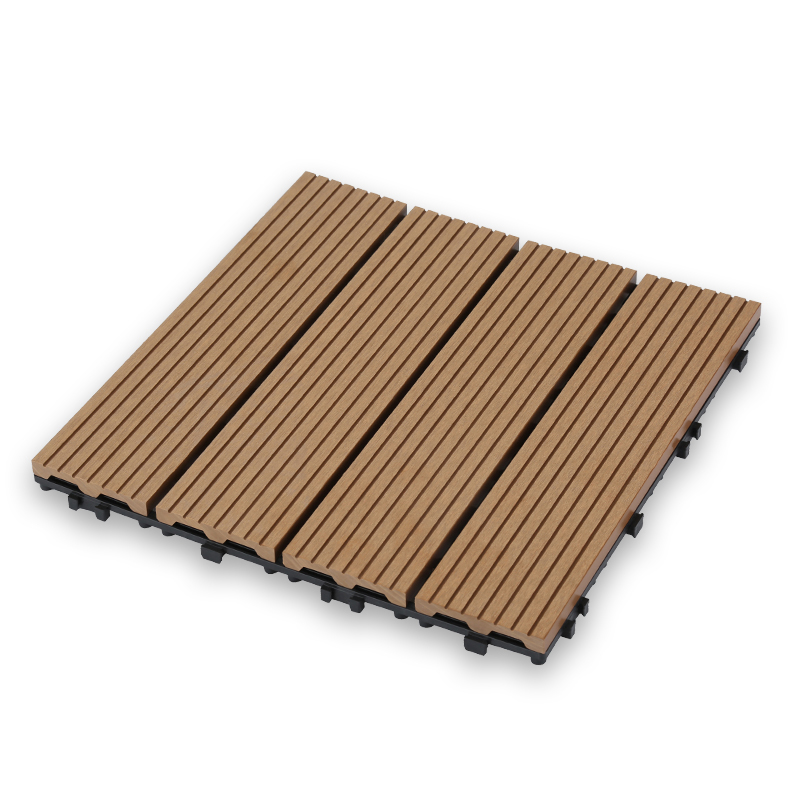
Co-extruded WPC decking has emerged as a trusted engineered solution for Australian coastal and public infrastructure projects. With extreme exposure to salt-laden air, high UV levels, fluctuating humidity, and heavy pedestrian traffic, traditional timber often fails to meet modern performance requirements. Co-extruded WPC decking combines a moisture-resistant composite core with a protective co-extruded layer, delivering durability, slip resistance, and predictable lifecycle performance. This makes it ideal for boardwalks, promenades, foreshore developments, civic spaces, and commercial outdoor areas.
Decking as a Structural Component
In Australian public and commercial projects, decking is a structural surface, not merely a decorative finish. Engineering considerations include load-bearing capacity, deflection limits, thermal expansion, and long-term stability. Co-extruded WPC decking allows engineers to specify board profiles, structural properties, and installation tolerances with confidence.
The composite core resists moisture absorption and biological decay, while the co-extruded outer layer protects against UV degradation, staining, and surface abrasion. These engineered characteristics reduce unexpected maintenance interventions and provide consistent performance across diverse Australian climates—from tropical northern regions to arid inland zones.
Performance in Coastal and High-Exposure Conditions
Coastal infrastructure presents some of the harshest conditions for outdoor decking. Exposure to salt spray, wind-driven sand, and wet-dry cycles accelerates timber deterioration. Co-extruded WPC decking mitigates these risks:
- UV and Fade Resistance: The co-extruded surface maintains colour stability under prolonged sun exposure.
- Moisture Resistance: The composite core prevents swelling, warping, and surface cracking.
- Surface Durability: Resists abrasion from pedestrian traffic and debris, reducing splintering.
This engineered design allows councils, developers, and contractors to plan long-term maintenance strategies with predictable outcomes, lowering lifecycle costs and improving asset management.
Slip Resistance and Compliance
Public safety is a key requirement for boardwalks, promenades, and recreational areas. Co-extruded WPC decking surfaces are manufactured with engineered textures to maintain traction in wet or slippery conditions. Combined with concealed fastening systems, this reduces trip hazards and enhances overall pedestrian safety, helping projects comply with Australian Standards and public liability regulations.
Structural Integration and Installation Efficiency
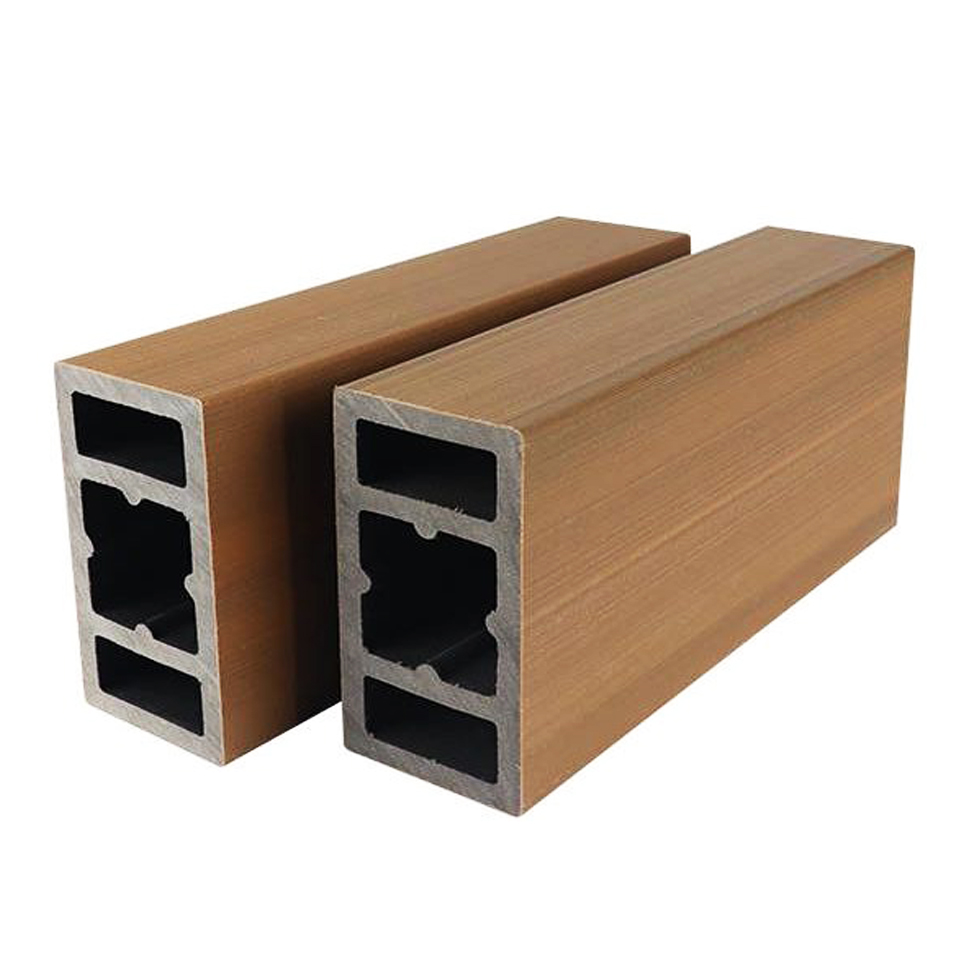
Co-extruded WPC decking integrates with aluminium, steel, or treated timber substructures. Controlled board geometry and thermal expansion allow precise joist spacing and consistent expansion gaps.
This integration provides:
- Reduced installation errors and faster construction timelines.
- Compatibility with corrosion-resistant substructures in coastal or high-humidity environments.
- Uniform appearance and surface alignment for large-scale installations.
Sustainability and Lifecycle Considerations
Sustainability is increasingly important in Australian infrastructure projects. Co-extruded WPC decking:
- Reduces reliance on slow-growing hardwoods.
- Incorporates recycled wood fibres and polymers in production.
- Extends replacement intervals, reducing material waste.
For councils, transport authorities, and commercial developers, these benefits contribute to a lower total lifecycle cost and align with green building objectives, making WPC decking a responsible material choice.
Project Case Study – Foreshore Boardwalk Upgrade
A foreshore precinct upgrade involved replacing aging timber decking with co-extruded WPC boards. Challenges included heavy pedestrian traffic, salt-laden winds, and intermittent rainfall. Key outcomes included:
- Improved slip resistance with engineered surface textures.
- Consistent surface appearance with reduced fading and staining.
- Maintenance focused on routine cleaning, eliminating frequent repairs and timber replacement.
- Long-term lifecycle cost reductions compared to traditional timber.
This case demonstrates how engineered WPC solutions can enhance public safety, durability, and aesthetic quality simultaneously.
Design Recommendations for Engineers and Architects
When specifying WPC decking for Australian coastal and public projects, consider:
- Board Profile Selection: Choose co-extruded surfaces with anti-slip textures appropriate for the project environment.
- Substructure Compatibility: Use aluminium or stainless steel subframes in corrosive environments.
- Expansion and Ventilation: Allow for thermal movement and airflow to prevent board deformation.
- Maintenance Planning: Incorporate easy-to-clean surfaces and monitor for minor wear, reducing lifecycle costs.
Conclusion
Co-extruded WPC decking represents a modern engineered solution for Australian coastal and public infrastructure. Its durability, structural stability, slip resistance, and low-maintenance characteristics make it the preferred specification for councils, developers, and architects. By integrating performance, sustainability, and lifecycle cost benefits, WPC decking provides a reliable long-term solution for demanding outdoor environments.
Related Blogs
Co-Extruded WPC Decking Solutions for Australian Coastal & Public Infrastructure
Durable, Low-Maintenance WPC Decking for Boardwalks, Promenades, and Civic Projects
Engineering-Grade Co-Extruded WPC Decking: Performance, Safety, and Lifecycle Benefits in Australia
Why Australian Councils and Developers Choose Co-Extruded WPC Decking for Coastal Projects