WPC Decking vs Traditional Wood Decking | Outdoor Project Guide
WPC Decking vs Traditional Wood Decking: Which Is Better for Outdoor Projects?
When planning an outdoor decking project, one of the first and most critical decisions is material selection. For decades, traditional wood decking dominated residential and commercial outdoor spaces. However, in recent years, WPC decking (Wood Plastic Composite decking) has become the preferred alternative for architects, contractors, and project owners worldwide.
This article comparesWPC decking vs traditional wood decking from a practical engineering perspective, helping you determine which solution is better suited for modern outdoor projects such as public walkways, schools, resorts, and residential developments.
Understanding the Two Materials
Traditional wood decking is typically made from natural hardwoods or pressure-treated softwood. While it offers a classic appearance, its performance depends heavily on climate conditions, maintenance frequency, and wood quality.
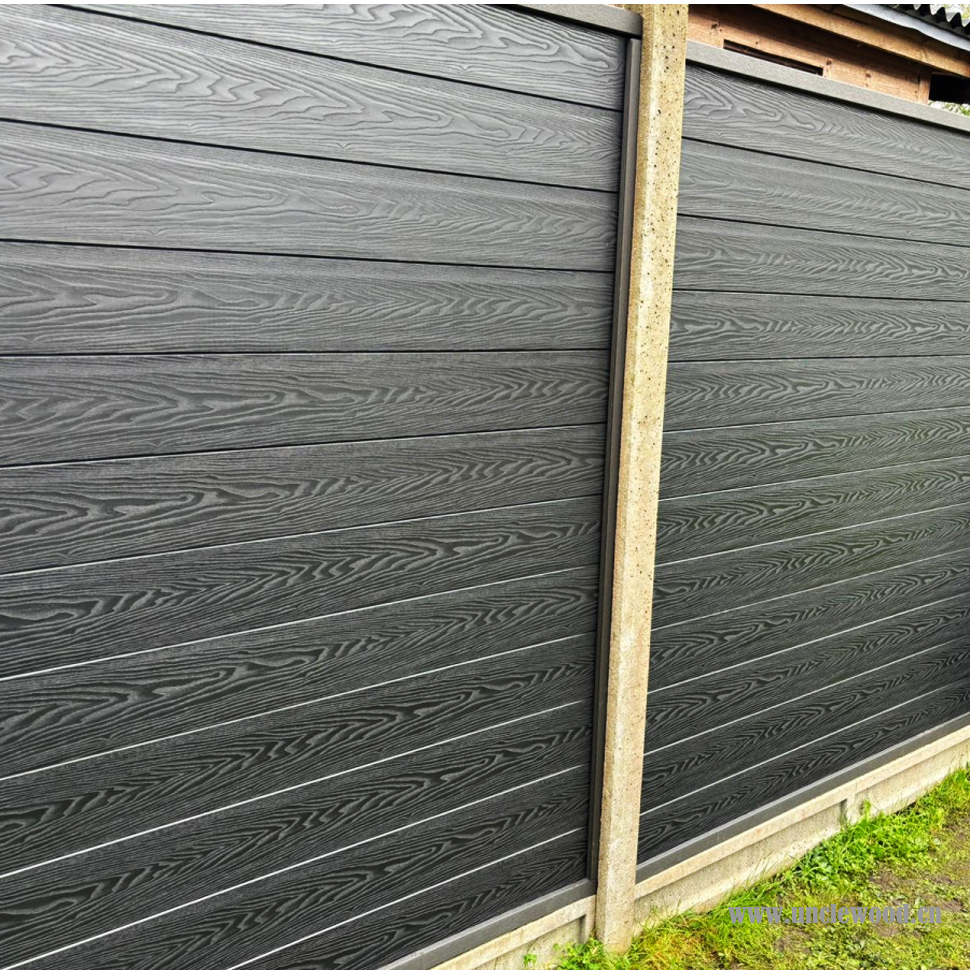
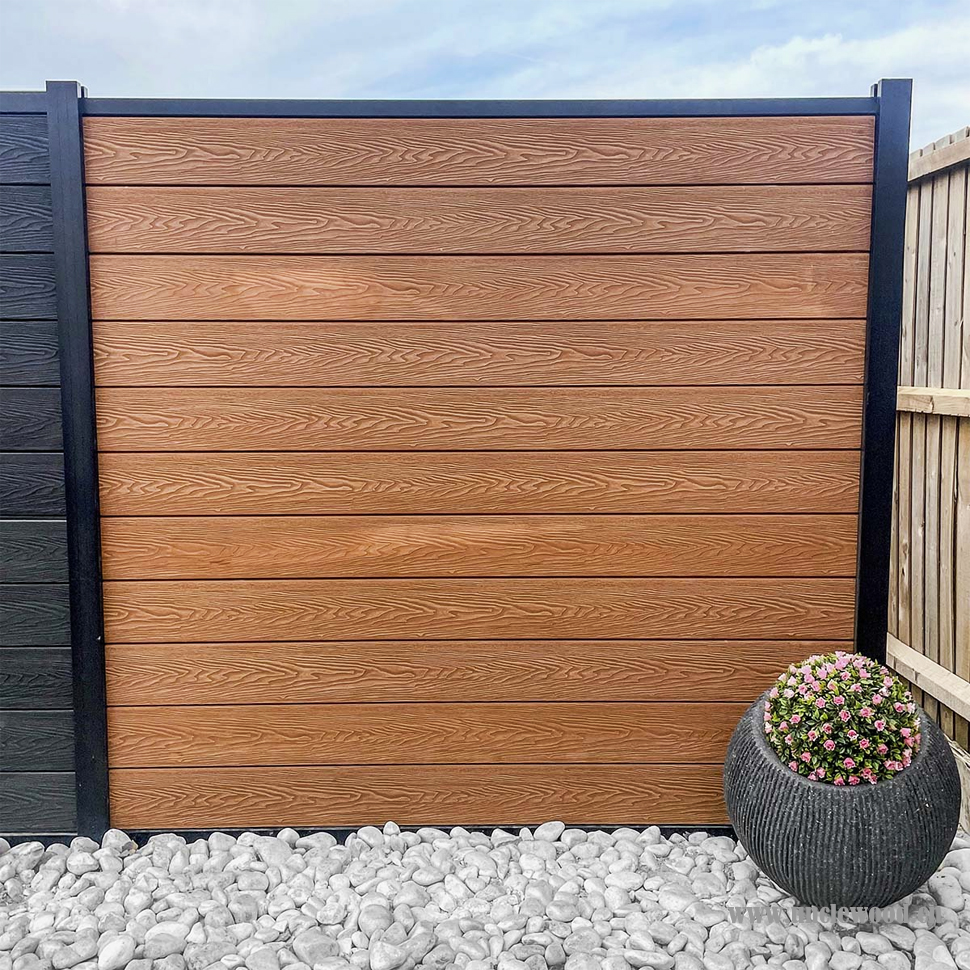
WPC decking, by contrast, is manufactured from a blend of wood fibers and recycled plastic, engineered to deliver consistent strength, moisture resistance, and long-term stability. This material combination allows WPC decking to overcome many of the limitations associated with natural wood, especially in outdoor environments.
Durability and Structural Stability
One of the most important differences between WPC decking and traditional wood decking is long-term durability.
Natural wood is prone to cracking, splintering, warping, and insect damage. In regions with high humidity, frequent rain, or strong sunlight, wood boards often deform within a few years if not carefully maintained.
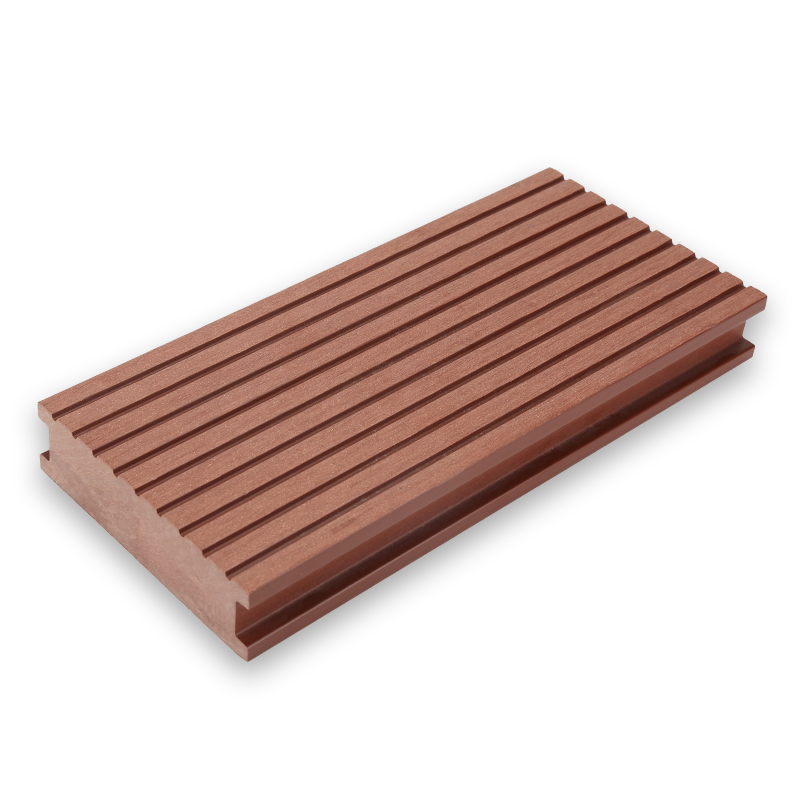
WPC decking is designed to remain dimensionally stable. It resists moisture absorption, does not rot, and is highly resistant to termites and fungal growth. In high-traffic outdoor areas, solid WPC decking is particularly favored due to its superior load-bearing capacity.
For projects that require long-term structural reliability, such as public walkways or commercial terraces, WPC decking offers a clear advantage.
Maintenance Requirements Over Time
Maintenance is a major cost factor often overlooked during the planning stage.
Traditional wood decking requires regular sanding, sealing, staining, or painting to maintain its appearance and structural integrity. Without ongoing care, wood surfaces fade quickly and become unsafe due to splintering.
WPC decking, on the other hand, is virtually maintenance-free. Routine cleaning with water and mild detergent is usually sufficient. There is no need for painting, oiling, or chemical treatments, which significantly reduces lifetime maintenance costs.
For buyers comparing options during the selection phase, this point is often decisive.
Performance in Public and Commercial Projects
In large-scale outdoor projects, performance consistency is critical.
Traditional wood decking may perform well in small residential applications but often struggles in public environments where foot traffic is heavy and maintenance budgets are limited.
WPC decking is widely used in schools, government parks, boardwalks, and municipal landscapes because it offers predictable performance and safety. Slip-resistant surfaces, uniform board quality, and hidden fastening systems contribute to safer and cleaner installations.
Many government-funded projects now specify WPC decking directly in tender documents due to its durability and lifecycle cost advantages.
Installation Efficiency and Project Control
Installation efficiency can directly affect project timelines and labor costs.
Wood decking often requires on-site adjustments, treatment of cut ends, and strict spacing control to account for expansion and contraction.
WPC decking systems are typically designed with standardized profiles and compatible fastening accessories. This allows faster installation and more consistent results, especially in large projects. Proper substructure design and spacing are still essential, but overall installation is more predictable.
Environmental and Sustainability Considerations
Sustainability is becoming increasingly important in international construction projects.
Traditional wood decking relies on timber resources, and quality hardwood often comes with environmental concerns related to deforestation.
WPC decking is commonly produced using recycled plastics and reclaimed wood fibers, reducing waste and promoting resource efficiency. Many WPC products are recyclable and align with green building standards used in Europe, Australia, and North America.
Cost Comparison: Short-Term vs Long-Term Value
At first glance, traditional wood decking may appear less expensive than WPC decking. However, when factoring in maintenance, repairs, and replacement cycles, the long-term cost of wood often exceeds that of WPC.
WPC decking offers better value over its service life, especially for projects where durability, safety, and low maintenance are priorities. This is why developers and contractors increasingly choose WPC decking for long-term investments.
Final Verdict: Which Should You Choose?
Choosing between WPC decking and traditional wood decking depends on project requirements, usage intensity, and long-term expectations.
For decorative residential decks with a strong preference for natural wood aesthetics and regular maintenance, traditional wood may still be an option. However, for commercial, public, and high-traffic outdoor projects, WPC decking provides superior durability, lower maintenance costs, and more reliable performance.
To make the right decision, it is recommended to evaluate board structure, application scenarios, and installation conditions in detail.