Coastal Resort Decking Project in Western Australia – Solid WPC Case Study
Project Overview: Luxury Resort Development on the Western Australian Coast
In 2025, a newly developed luxury coastal resort in Western Australia required a high-performance decking solution for its beachfront terraces, poolside relaxation areas, and elevated ocean-view platforms.
The project involved over 2,000 square meters of outdoor decking directly exposed to:
- Marine salt air
- Strong coastal winds
- Intense Australian UV radiation
- High-end guest foot traffic
The architectural brief required a natural timber appearance while eliminating the long-term maintenance burden associated with hardwood decking.
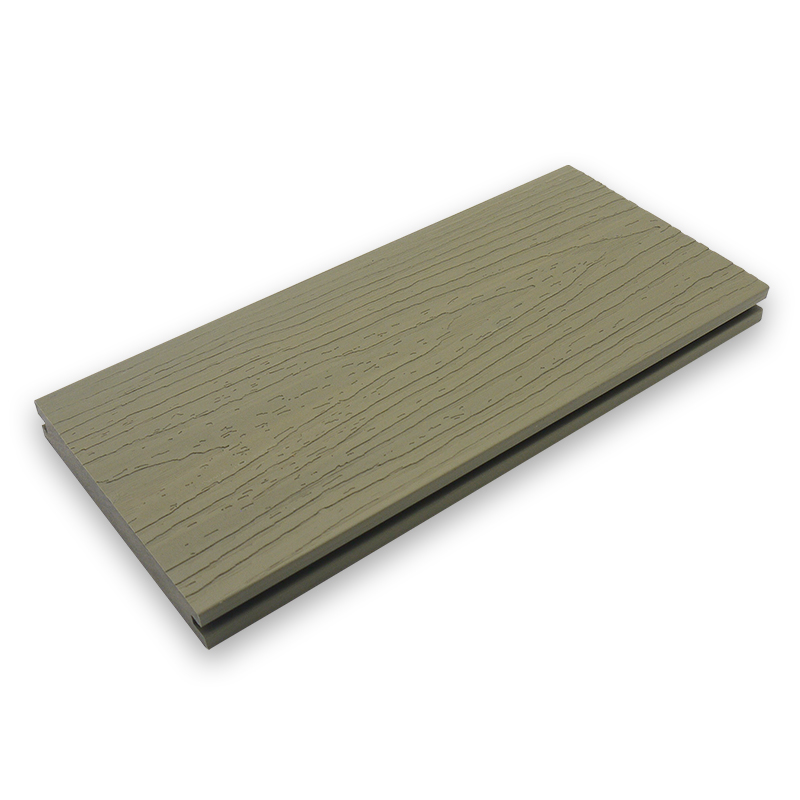
After evaluating multiple materials, the project specified solid-profile co-extruded WPC composite decking.
Environmental Challenges of Coastal Western Australia
Western Australia’s coastline presents one of the harshest testing grounds for outdoor materials.
Salt particles carried by sea breeze accelerate corrosion in metal components and degrade traditional timber finishes. Seasonal temperature variation causes expansion and contraction stress. In addition, luxury resorts demand consistently refined aesthetics — weathered or cracked surfaces are unacceptable in premium hospitality environments.
The selected solid WPC decking system was engineered with a protective polymer cap layer to resist salt penetration and UV degradation while maintaining surface color stability.
Design Intent: Natural Aesthetic with Structural Reliability
The resort design emphasized a seamless transition between indoor and outdoor spaces. Architects selected a deep-embossed woodgrain finish in a warm teak tone to complement the coastal landscape and contemporary façade materials.
Unlike traditional hardwood, which can splinter and fade unevenly, the composite decking maintained consistent texture and tone across large terrace areas.
The tactile experience underfoot was also a priority. Solid-profile boards provided a substantial feel suitable for barefoot poolside environments, reinforcing the perception of quality expected in a five-star hospitality setting.
Structural Engineering and Installation Strategy
Given the coastal wind exposure, substructure design was critical.
The decking system incorporated:
- Reinforced aluminum joists for elevated platforms
- Marine-grade stainless steel fasteners
- Calculated expansion gaps to accommodate thermal variation
- Wind load considerations aligned with coastal construction guidelines
Solid boards were selected over hollow profiles to enhance impact resistance and screw retention strength, particularly in open-edge viewing decks exposed to strong ocean gusts.
Installation was completed in phases to allow other trades to progress simultaneously, minimizing project timeline pressure.
Slip Resistance and Guest Safety
Poolside and oceanfront decks are inherently high-risk areas due to moisture presence.
The selected composite boards featured textured anti-slip surfaces designed to maintain grip in wet conditions. Unlike timber, which becomes increasingly slippery when algae or mold accumulates, composite decking allows easier surface cleaning and consistent traction.
Guest safety standards in premium resorts require materials that reduce liability risks while preserving aesthetic appeal.
Maintenance Strategy for Hospitality Operations
One of the resort operator’s key concerns was long-term maintenance efficiency.
Traditional hardwood decking would have required:
- Regular sanding
- Annual oiling or sealing
- Ongoing repair of cracked boards
By contrast, the WPC decking system requires only routine cleaning to remove salt residue and debris. The protective cap layer resists staining from sunscreen, beverages, and food service activities common in resort environments.
This significantly reduces operational downtime and maintenance labor costs over the projected 15–20 year lifecycle.
Performance After Initial Exposure Period
Within the first 12 months of operation, the decking system demonstrated:
- Stable color retention under strong UV exposure
- No visible corrosion in fastener areas
- No board warping or structural instability
- Consistent slip resistance during peak tourist season
The resort management team reported high guest satisfaction regarding both comfort and appearance of outdoor spaces.
Why Coastal Resorts Are Moving Toward Solid WPC Decking
Across Australia’s premium hospitality sector, developers are increasingly replacing hardwood decking with solid composite systems.
The reasons are clear:
- Improved durability in salt-heavy environments
- Reduced maintenance costs
- Enhanced safety performance
- Long-term aesthetic consistency
- Sustainable material composition
For coastal resorts seeking to balance luxury design with practical performance, solid WPC decking has become a strategic material choice.
Conclusion
The Western Australia coastal resort project demonstrates how solid WPC composite decking meets the demanding requirements of high-end hospitality developments.
Engineered for salt resistance, UV stability, structural reliability, and refined aesthetics, composite decking offers a future-ready solution for Australia’s coastal construction sector.
For architects, developers, and resort operators seeking long-term value without compromising design integrity, solid WPC decking provides measurable performance advantages in marine environments.
Related Blogs
WPC vs Timber Decking in Coastal Areas: Durability, Cost & Maintenance
WPC Great Wall Wall Panels for Government, School, and Public Buildings in Australia
Durable Eco-Friendly WPC Pergola for Outdoor Garden and Balcony Projects
Transform Your Outdoor Spaces with WPC Outdoor Composite Handrail Railing