Sustainable Building Materials Trends 2026 in Australia
Sustainable Building Materials Trends 2026: Why Composite Solutions Are Leading in Australia
The Shift Toward Sustainable Infrastructure in Australia
As Australia moves into 2026, sustainability is no longer a marketing concept — it is a procurement requirement.
Government-funded infrastructure, school renovations, coastal developments, and public facility upgrades increasingly prioritize lifecycle performance, carbon footprint reduction, and material durability.
States such as Queensland, Victoria, and Western Australia are accelerating investments in resilient public infrastructure designed to withstand extreme climate conditions while reducing long-term environmental impact.
In this evolving landscape, composite building materials — particularly WPC (Wood Plastic Composite) systems — are emerging as practical and scalable solutions.
Lifecycle Thinking Is Replacing Initial Cost Thinking
One of the most significant trends in 2026 is the shift from upfront material cost evaluation to lifecycle cost assessment.
Traditional timber decking and fencing may appear economical at the time of installation. However, ongoing maintenance — including sealing, repainting, and board replacement — increases carbon emissions and financial expenditure over time.
Composite materials offer:
- Extended service life (15–25 years)
- Minimal chemical maintenance
- Reduced material replacement cycles
- Stable structural performance in extreme climates
For councils and developers, durability has become a key sustainability metric.
Climate Resilience as a Design Standard
Australia faces rising UV intensity, coastal salt exposure, and extreme weather events. Sustainable building materials must now demonstrate resilience under environmental stress.
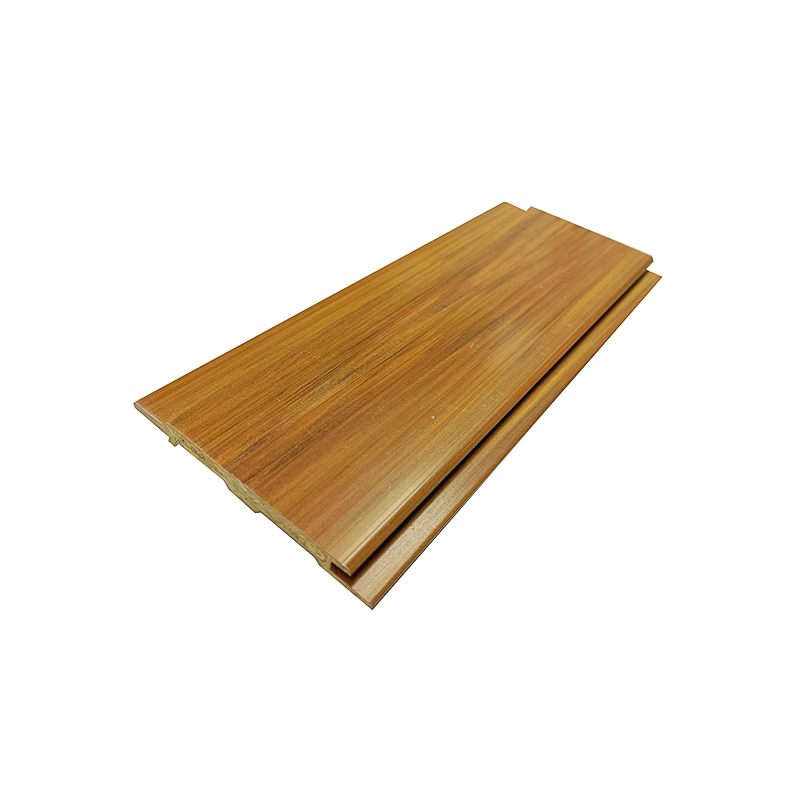
Composite decking, fencing, and wall panel systems are increasingly specified for:
- Coastal boardwalks
- Public parks
- School campuses
- Government office exteriors
- Resort and tourism infrastructure
Unlike untreated timber, WPC materials resist rot, termite damage, and moisture infiltration, reducing premature material failure.
Climate resilience is now considered an environmental responsibility, not just a structural requirement.
Reduced Maintenance = Reduced Environmental Impact
A frequently overlooked sustainability factor is maintenance frequency.
Timber structures require regular application of oils, stains, or sealants. These processes involve chemical use, labor transportation, and recurring material consumption.
Composite systems, by contrast, require only periodic cleaning.
Over a 20-year period, this reduction in maintenance activity significantly lowers:
- Chemical runoff
- Water usage
- Labor energy consumption
- Replacement material demand
In 2026, sustainability assessments increasingly account for operational emissions, not just material sourcing.
Integration with Green Building Certification
Australian developers are increasingly aligning projects with environmental performance frameworks such as:
- Green Building Council of Australia guidelines
- Infrastructure Sustainability Council ratings
Composite materials that incorporate recycled content and demonstrate long service life can support sustainability documentation requirements.
For architects and specifiers, selecting composite systems simplifies environmental reporting while maintaining design flexibility.
Material Innovation: Co-Extrusion and Surface Technology
Advancements in composite manufacturing technology continue to enhance sustainability performance.
Co-extruded WPC systems feature a protective outer polymer layer that improves:
- UV stability
- Stain resistance
- Moisture protection
- Surface durability
These technological improvements extend usable lifespan, which directly contributes to lower embodied carbon per year of service.
In 2026, innovation in surface engineering is becoming a decisive factor in public material specification.
Public Procurement Is Driving Material Evolution
Government tenders increasingly include sustainability benchmarks as mandatory criteria.
In public school upgrades, municipal park redevelopments, and transport infrastructure improvements, material suppliers must demonstrate:
- Durability under Australian climate conditions
- Reduced maintenance schedules
- Compliance with safety standards
- Environmental responsibility
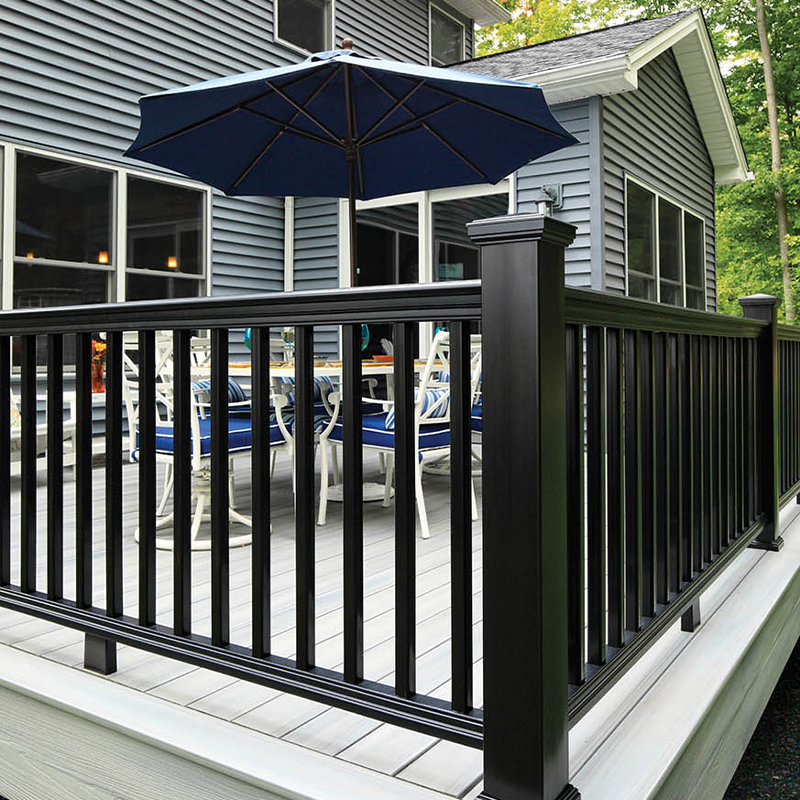
Composite decking, fencing, balustrade, and wall panel systems meet these requirements while offering predictable long-term budgeting.
As procurement frameworks tighten, traditional short-lifespan materials are gradually phased out in favor of engineered composites.
Hospitality and Tourism Sector Adopting Sustainable Materials
Australia’s coastal resort and tourism developments are also transitioning toward sustainable composite materials.
Luxury hospitality projects require materials that deliver both visual appeal and operational efficiency. Composite decking systems reduce downtime for repairs and maintain aesthetic consistency, aligning sustainability with guest experience.
In 2026, environmental responsibility is increasingly integrated into brand positioning for resorts and public-facing developments.
The Role of Composite Systems in Circular Construction
Circular economy principles emphasize materials that:
- Incorporate recycled content
- Extend usable lifespan
- Reduce waste generation
- Require minimal resource-intensive maintenance
WPC systems support these principles by reusing wood fiber and plastic components while providing durable outdoor performance.
As Australia continues advancing its environmental policies, composite materials align well with circular construction strategies.
Conclusion
Sustainable building materials in 2026 are defined by durability, lifecycle efficiency, climate resilience, and reduced operational impact.
In Australia’s demanding environmental context, WPC composite systems are no longer considered alternative solutions — they are increasingly standard specifications in public and commercial construction.
From decking and fencing to wall panels and balustrades, engineered composite materials offer a balanced combination of sustainability and structural performance.
As procurement policies, environmental certifications, and climate realities continue evolving, composite building systems are positioned at the forefront of Australia’s sustainable construction movement.
Related Blogs
WPC vs Timber Decking in Coastal Areas: Durability, Cost & Maintenance
WPC Great Wall Wall Panels for Government, School, and Public Buildings in Australia
PVC Indoor Flooring for Commercial Projects | Durable Flooring for High-Traffic Areas
WPC Pergola Projects: Elegant, Durable, and Sustainable Outdoor Structures