Why Australian Public Projects Specify WPC Wall Panels
Why Australian Public Projects Specify WPC Wall Panels
Across Australia, public construction projects are guided by a clear set of priorities: durability, safety, compliance, and long-term value. Whether for government buildings, educational campuses, or public infrastructure facilities, material selection is rarely driven by short-term aesthetics alone. Instead, decision-makers focus on lifecycle performance, maintenance efficiency, and predictable behavior under diverse environmental conditions.
In this context, WPC (Wood-Plastic Composite) wall panels have increasingly become a specified solution in Australian public-sector projects. This article explores the key reasons behind this trend and explains why WPC wall panels align so well with public project requirements.
Public Sector Material Selection: A Different Standard
Unlike private developments, public projects operate under stricter scrutiny. Materials must withstand constant use, exposure to weather, and routine cleaning while maintaining a consistent appearance for years. Budget accountability and long-term asset management play a decisive role, meaning that materials requiring frequent repair or refinishing are often excluded at the specification stage.
WPC wall panels address these concerns by offering engineered consistency. Their composite structure provides predictable dimensional stability and reduces the performance variability commonly associated with natural materials.
Durability in High-Use Environments
Public buildings experience significantly higher usage than residential or private commercial spaces. School corridors, civic walkways, community centers, and transport-adjacent facilities are subject to daily foot traffic, impact, and environmental exposure.
WPC wall panels are designed to resist cracking, splintering, and surface degradation, even under repeated contact. This durability is particularly valuable in educational and community environments, where surface damage can quickly lead to safety concerns or visual deterioration.
By maintaining structural integrity over time, WPC panels help reduce unscheduled repairs and extend refurbishment cycles—key considerations for public asset owners.
Reduced Maintenance and Lifecycle Cost Control
Maintenance planning is a critical factor in public procurement. Ongoing refinishing, repainting, or replacement not only increases operational costs but can also disrupt public services and educational activities.
Unlike timber wall systems, WPC wall panels do not require periodic sealing, painting, or oiling. Their color stability and moisture resistance allow routine cleaning to be sufficient for most public applications. Over the lifecycle of a building, this reduced maintenance demand translates into measurable cost savings and more predictable budgeting.
For government authorities managing large portfolios of public buildings, this consistency is often more valuable than marginal differences in initial material cost.
Climate Adaptability Across Australia
Australia’s climate diversity presents a unique challenge for nationwide public projects. Materials used in temperate southern regions may perform poorly in tropical or high-UV environments if not properly engineered.
WPC wall panels are increasingly specified because they perform reliably across different climate zones. Their resistance to moisture makes them suitable for humid regions, while UV-stabilized formulations help maintain surface appearance in areas with intense sunlight exposure.
This adaptability allows public authorities to standardize material specifications across multiple states without compromising performance—a significant advantage for large-scale or multi-location developments.
Safety and Public Use Considerations
Safety is non-negotiable in public-sector construction. Materials must minimize risks associated with splintering, sharp edges, or surface degradation over time.
WPC wall panels offer smooth, controlled surface finishes that reduce injury risks in high-contact areas. The use of concealed fixing systems further enhances safety by limiting exposed hardware that could loosen or corrode.
In schools and public facilities, these characteristics support safer environments for users of all ages.
Design Consistency and Architectural Integration
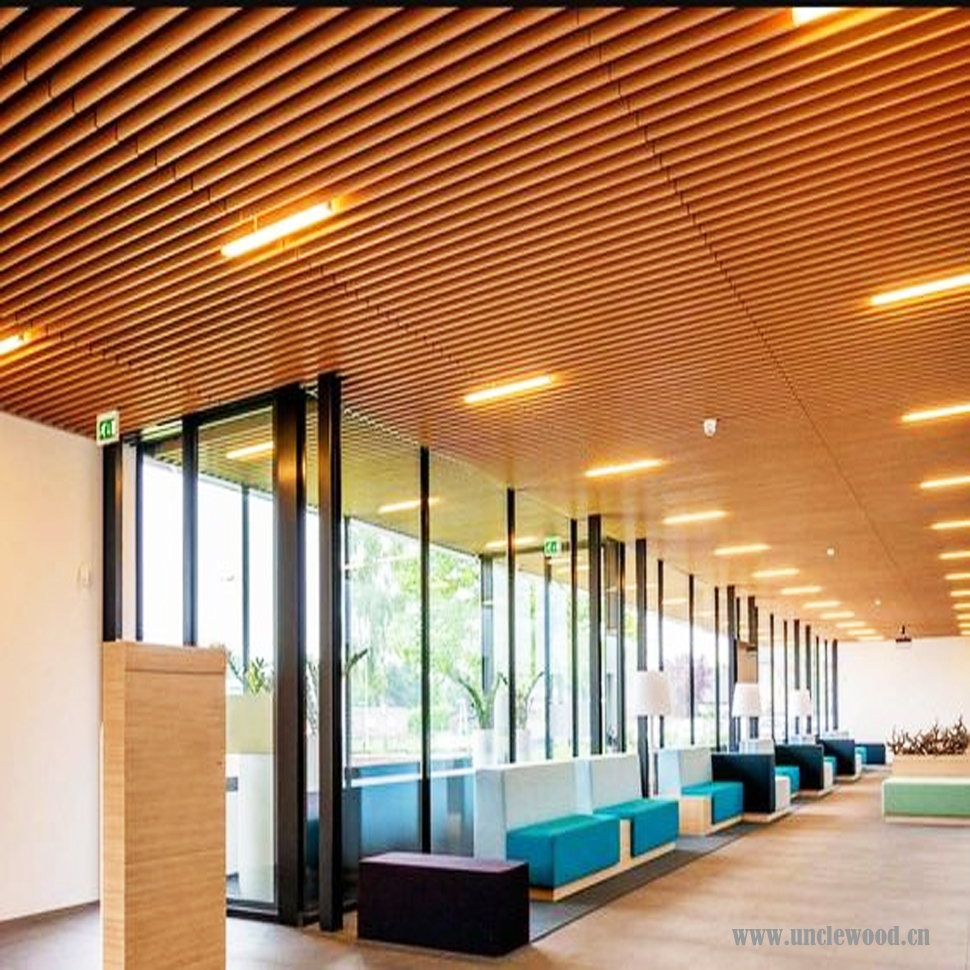
While performance drives specification decisions, visual quality remains important for public buildings that represent civic identity. WPC wall panels provide a clean, contemporary aesthetic that integrates well with concrete, steel, and glass—materials commonly used in Australian public architecture.
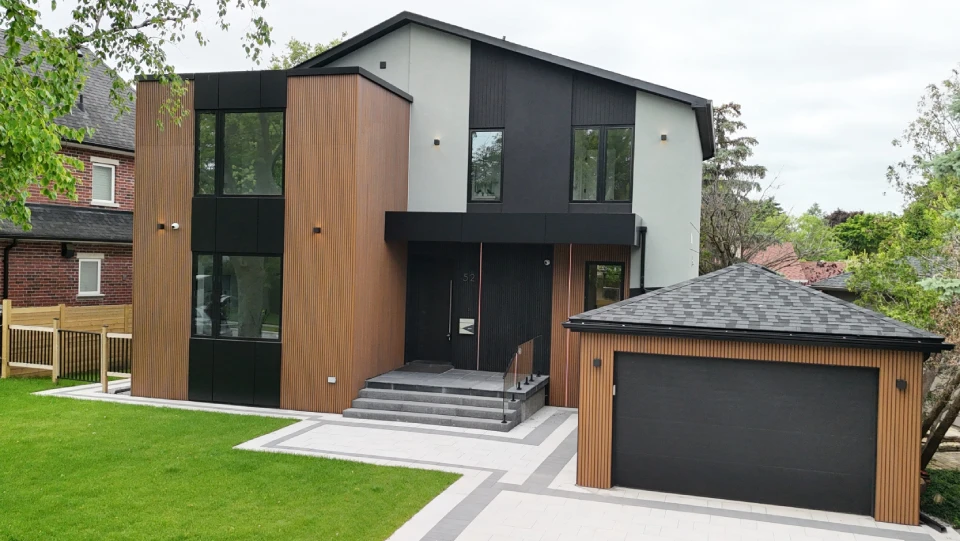
The linear profiles of systems such as Great Wall wall panels create depth and rhythm without excessive detailing, supporting modern design intent while maintaining simplicity. This balance allows architects to achieve visual impact without introducing materials that demand intensive upkeep.
Compliance and Specification Confidence
Public projects require materials that can be confidently documented, specified, and installed according to defined standards. WPC wall panels offer consistency in manufacturing and installation methods, reducing uncertainty during both the design and construction phases.
For specifiers and consultants, this predictability simplifies documentation and minimizes the risk of performance discrepancies between design intent and on-site execution.
Conclusion: A Strategic Choice for Public Projects
The growing use of WPC wall panels in Australian public projects reflects a broader shift toward materials that deliver long-term reliability rather than short-term visual appeal. By addressing durability, maintenance efficiency, climate adaptability, and safety in a single system, WPC wall panels align closely with the core objectives of public-sector construction.
For government bodies, educational institutions, and public infrastructure planners, specifying WPC wall panels is not simply a design decision—it is a strategic investment in the long-term performance and sustainability of public assets.
Related Blogs
WPC Composite Great Wall Wall Panels in Australian Construction Projects
Outdoor WPC Decking: Durable & Low-Maintenance Composite Flooring for Modern Exteriors
Unmatched Durability and Elegance: The Ultimate Choice in Eco-Friendly WPC Cladding
WPC Fluted Wall Panels: A Sustainable and Stylish Solution for Modern Architectural Projects