WPC Composite Great Wall Wall Panels in Australian Construction Projects
WPC Composite Great Wall Wall Panels in Australian Construction Projects: A Practical Case Study
In recent years, Australian architects and builders have increasingly turned to WPC composite Fluted wall panels as a reliable solution for exterior and semi-exterior building applications. Designed to combine the visual rhythm of timber battens with the durability of composite materials, these panels have proven particularly effective in projects exposed to Australia’s demanding climate conditions.
This article explores a real-world application of WPC Great Wall wall panels in an Australian construction project, highlighting why this system was selected, how it performed on site, and what lessons can be applied to similar developments across the country.
Project Background: Semi-Outdoor Commercial Building in New South Wales
The project was located in a coastal-adjacent commercial zone in New South Wales, where buildings are routinely exposed to high UV levels, seasonal humidity, and temperature fluctuations. The developer required a façade and feature wall system that could deliver a strong architectural identity while minimizing long-term maintenance costs.
Traditional hardwood cladding was initially considered, but concerns over fading, warping, and ongoing oiling led the project team to evaluate alternative materials. Aluminum panels were also reviewed, yet the cold, industrial appearance did not align with the project’s design intent. Ultimately, WPC composite Fluted wall panels were selected as a balanced solution between aesthetics and performance.
Why Great Wall Wall Panels Were Chosen
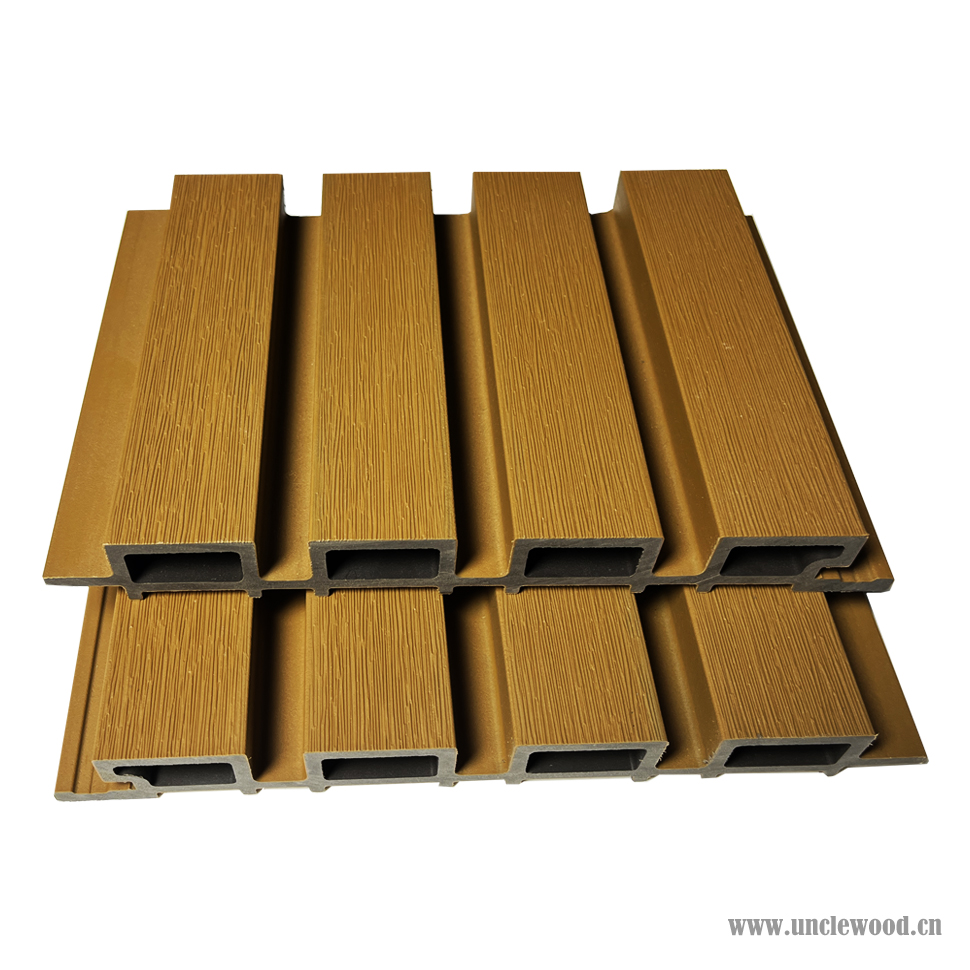
The defining feature of Fluted wall panels is their three-dimensional linear profile, which creates depth, shadow, and visual continuity across large surfaces. For this project, the panels were used on semi-outdoor corridors, entrance feature walls, and sheltered façade sections.
From a technical perspective, the WPC composite structure offered several advantages critical for Australian conditions. The material demonstrated strong resistance to UV degradation, reducing the risk of uneven fading under intense sunlight. Unlike natural timber, the panels were not prone to cracking or splintering, even after extended exposure to coastal air.
Fire performance and compliance were also important considerations. The selected WPC wall panel system met the project’s local building requirements and could be integrated with the existing steel framework without extensive modification, helping to control installation costs and timelines.
Installation and On-Site Performance
One of the key benefits observed during construction was installation efficiency. The modular panel design allowed installers to maintain consistent spacing and alignment, which is particularly important for linear-profile wall systems. Compared with timber battens, the composite panels required less on-site adjustment and delivered a more uniform finished appearance.
The concealed fixing system helped achieve a clean architectural surface, while also allowing for thermal expansion—a crucial factor in regions where daytime and nighttime temperatures can vary significantly. Builders reported fewer installation errors and reduced material waste, contributing to overall project efficiency.
Long-Term Maintenance Advantages
Post-completion feedback from the property management team highlighted the low-maintenance nature of the WPC fluted wall panels as a major advantage. Unlike timber cladding, no periodic sanding, sealing, or repainting was required. Routine cleaning with water was sufficient to maintain the original appearance.
This maintenance efficiency is especially valuable for commercial and mixed-use developments in Australia, where ongoing upkeep costs directly impact operational budgets. Over time, the composite wall panel system is expected to deliver measurable cost savings compared with traditional façade materials.
Design Flexibility for Australian Architecture
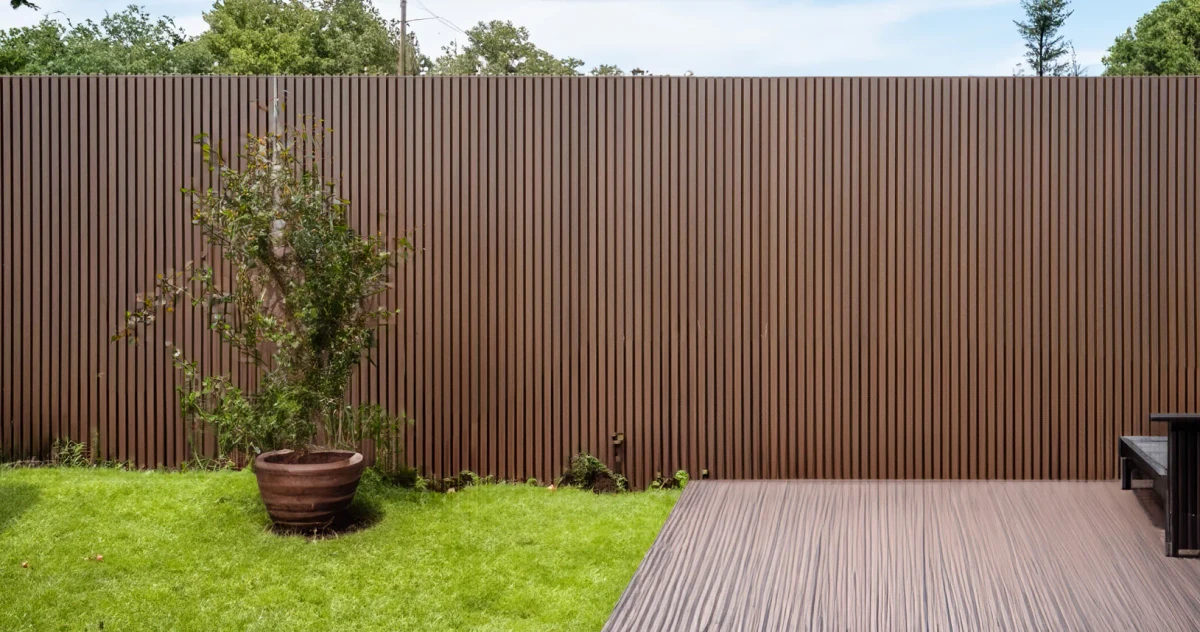
Beyond performance, the project demonstrated how Great Wall wall panels can support contemporary Australian architectural trends. The natural wood-grain finish complemented concrete, glass, and steel elements, creating a warm yet modern aesthetic. The linear profile also enhanced the building’s horizontal lines, visually expanding the façade without adding unnecessary complexity.
Architects involved in the project noted that similar panel systems could be applied to educational buildings, hospitality venues, and public facilities, particularly in semi-outdoor environments where visual impact and durability must coexist.
Conclusion: A Proven Solution for Australian Projects
This Australian case study illustrates how WPC composite Great Wall wall panels can successfully bridge the gap between design intent and real-world performance. By offering durability, visual consistency, and reduced maintenance, the system addresses many of the challenges faced by construction projects across Australia’s diverse climates.
For developers, architects, and builders seeking a dependable wall cladding solution that aligns with modern Australian design standards, WPC fluted wall panels represent a practical and forward-looking choice for both commercial and institutional projects.
Related Blogs
Outdoor WPC Decking: Durable & Low-Maintenance Composite Flooring for Modern Exteriors
Global WPC Ceiling Projects and Design Applications – Modern Engineering Solutions Worldwide
Unmatched Durability and Elegance: The Ultimate Choice in Eco-Friendly WPC Cladding
ASA Co-extrusion Wall Cladding in Real Projects Around the World