WPC Decking for Australian Council Projects | Public Space & Infrastructure Solutions
Why Australian Councils Are Choosing WPC Decking for Public Spaces
Across Australia, local councils are under increasing pressure to deliver safe, durable, and visually consistent public spaces while managing long-term maintenance budgets. Parks, playgrounds, pedestrian links, and civic precincts must perform reliably under heavy public use and diverse climate conditions.
In response, engineered WPC decking systems with protective co-extruded surfaces are being specified more frequently in council-led projects, offering predictable performance, reduced maintenance, and improved public safety compared to traditional timber decking.
Council Material Selection Priorities
When selecting decking materials for public infrastructure, Australian councils typically assess performance against several essential criteria. These include slip resistance, durability under constant foot traffic, lifecycle maintenance cost, visual consistency across multiple sites, and compatibility with modern substructure systems.
Engineered WPC decking systems are designed to address these requirements as an integrated solution, rather than focusing on appearance alone.
Performance in High-Traffic Public Environments
Public decking in parks, playgrounds, and civic spaces is exposed to continuous pedestrian use, wheeled equipment, outdoor furniture, and weather extremes. In these environments, surface degradation can quickly become a safety and maintenance issue.
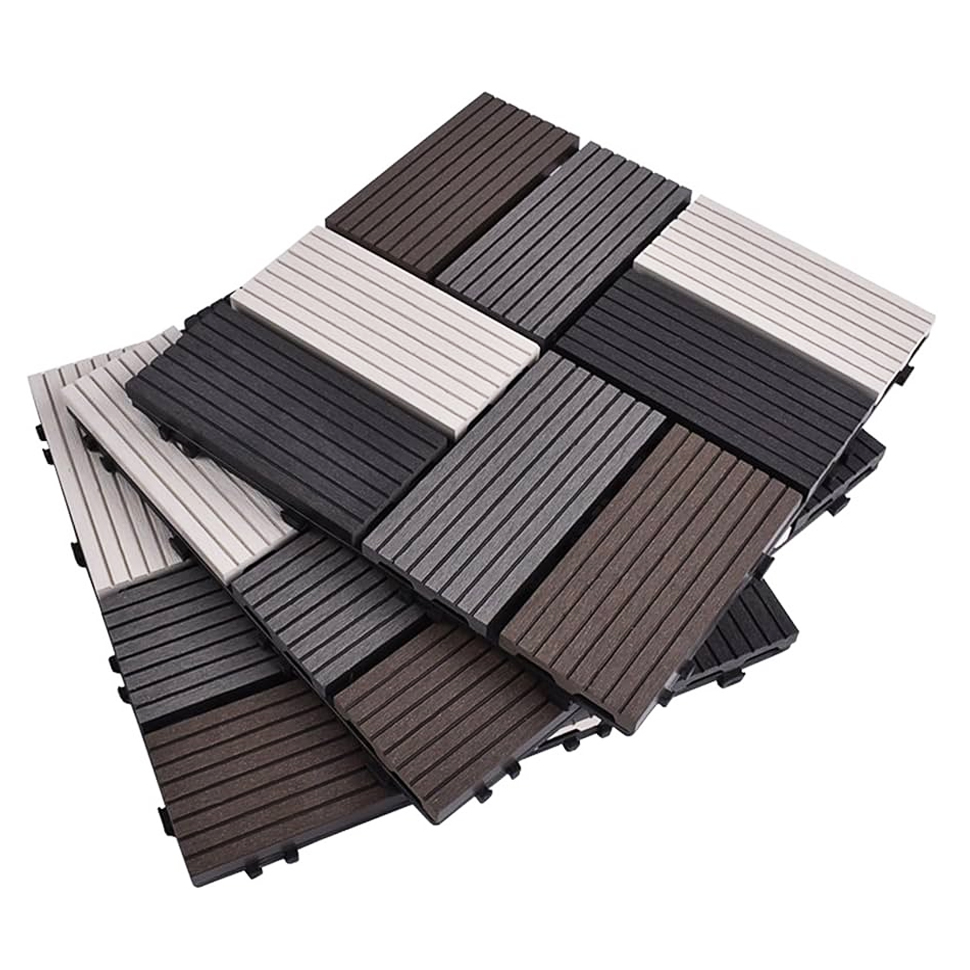
WPC decking with a dense composite core and protective surface layer resists splintering, cracking, and moisture-related deformation. This makes it suitable for walkways, seating platforms, playground surrounds, and viewing decks where consistent surface performance is critical.
Slip Resistance and Public Safety Outcomes
Slip resistance is a primary concern in council-managed spaces, particularly in areas exposed to rain, irrigation, or shade. Unlike traditional timber, which can become smooth or uneven over time, co-extruded WPC decking maintains a stable surface texture throughout its service life.
Textured walking surfaces, combined with concealed fixing systems, reduce trip hazards and surface inconsistencies. This supports compliance with public safety standards while helping councils minimise long-term liability risks.
Reduced Maintenance and Lifecycle Cost Control
Timber decking often requires regular sanding, sealing, and board replacement to remain safe and visually acceptable. These maintenance activities increase operational costs and can disrupt public access.
Engineered WPC decking systems are designed for low-intervention use, typically requiring only routine cleaning. The protective surface layer limits staining and surface wear, reducing the need for corrective maintenance and helping councils maintain predictable asset management budgets.
Compatibility with Modern Substructure Systems
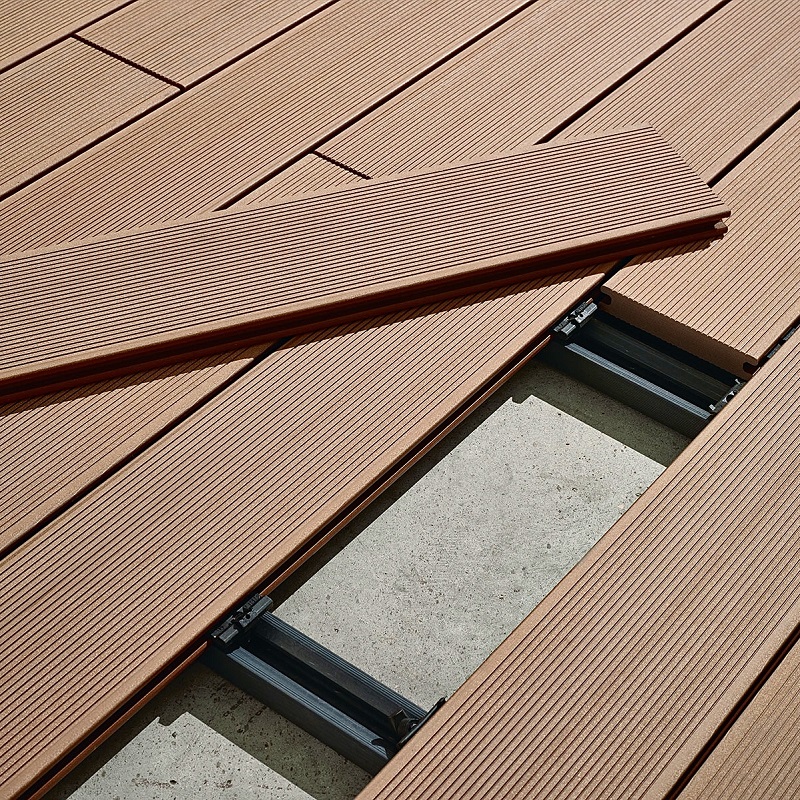
Many Australian councils now specify aluminium or steel substructures for public decking to improve durability and corrosion resistance. WPC decking systems are dimensionally consistent and compatible with these substructures, allowing accurate joist spacing, controlled expansion gaps, and reliable fixing performance.
This compatibility simplifies design documentation and installation, particularly for councils delivering staged or multi-site public works programs.
Community Park Redevelopment Application
During a multi-stage community park redevelopment, deteriorating timber decking around playgrounds, seating areas, and shared pedestrian zones was replaced with an engineered WPC decking system. The material selection prioritised slip resistance, surface consistency, and reduced maintenance requirements.
Post-installation evaluations reported improved safety outcomes, elimination of splinter-related complaints, and a noticeable reduction in annual maintenance interventions. The decking retained a consistent appearance despite high daily usage, supporting long-term public asset planning objectives.
Standardisation Across Council Assets
For councils managing public spaces across multiple suburbs or regions, material standardisation reduces complexity in procurement, maintenance training, and long-term asset management.
Engineered WPC decking systems offer consistent board profiles, stable colour performance, and uniform installation logic. This allows councils to apply a single decking specification across different public space projects while retaining design flexibility.
Sustainability Considerations in Public Infrastructure
Sustainability is increasingly embedded in local government policy and procurement frameworks. By reducing reliance on slow-growing hardwoods and extending replacement intervals, WPC decking systems support responsible material use without compromising performance.
For councils, this approach aligns public infrastructure delivery with broader environmental objectives while maintaining safety and budget control.
Conclusion
Australian councils are selecting WPC decking not as a design trend, but as a long-term infrastructure solution. Engineered co-extruded WPC decking systems provide the durability, safety performance, and low maintenance required for modern public spaces.
By aligning material selection with public safety standards and asset management strategies, councils can deliver resilient, cost-effective environments that perform reliably over time.
Related Blogs
Co-Extruded WPC Decking Australia | Coastal & Public Infrastructure Solutions
Co-Extruded WPC Decking in Hotel, Government & School Projects | Case Study
Why Co-Extruded WPC Decking Is Ideal for Commercial Outdoor Projects
Co-Extruded WPC Decking vs Ordinary WPC | Durable Outdoor Flooring Solutions