How WPC Interior Wall Panels Are Transforming U.S. Public Building Renovations
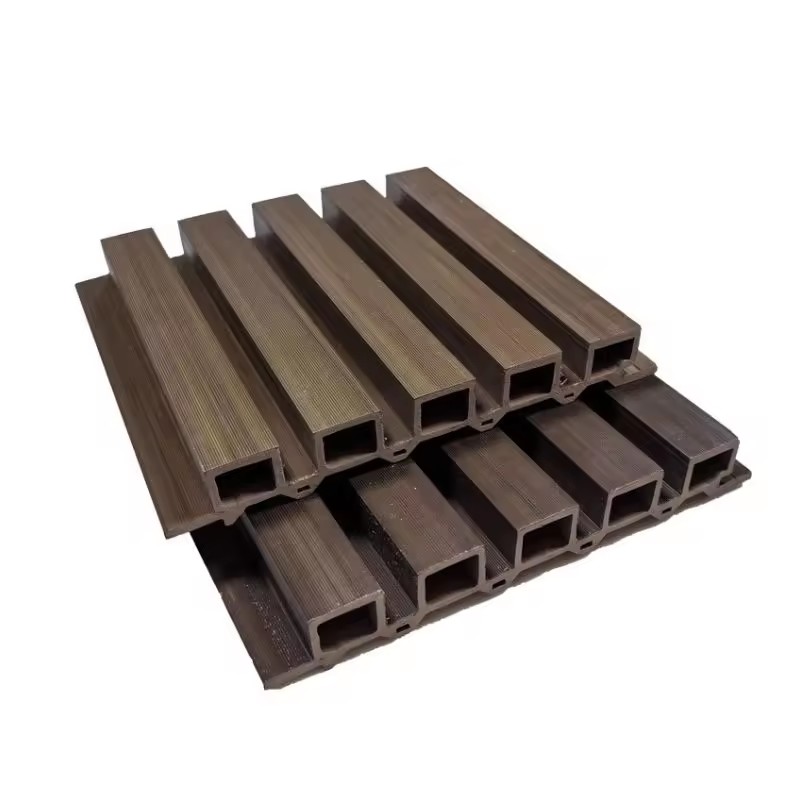
In recent years, WPC (Wood-Plastic Composite) interior wall panels have gained remarkable traction in the U.S., particularly in public building renovation projects. Municipalities, schools, and government facilities are increasingly choosing WPC panels for their durability, eco-friendliness, and ease of maintenance—qualities that traditional wall materials often struggle to provide.
One notable case is the renovation of Jefferson Elementary School in Texas. The facility faced deteriorating drywall surfaces in hallways and classrooms, which required frequent repainting due to high traffic and wear. By installing WPC interior wall panels, the school achieved a modern aesthetic while significantly reducing ongoing maintenance costs. The panels’ moisture-resistant core also proved essential for areas prone to humidity and occasional water exposure, such as restrooms and cafeteria walls.
Another example comes from a public library renovation in Chicago. Architects opted for WPC panels to replace outdated wall coverings in study areas and community rooms. The panels allowed for a clean, uniform appearance while integrating acoustic benefits, helping minimize noise in busy reading spaces. Additionally, the project showcased WPC panels’ flexibility in design: the panels were customized with subtle wood-grain textures and neutral color tones, seamlessly complementing the library’s existing interior décor.
Government facilities, such as the San Diego Civic Center, are also increasingly incorporating WPC interior wall panels. The material’s long lifespan and low maintenance make it ideal for high-traffic offices and public corridors. The panels’ eco-friendly composition—recycled wood fibers combined with high-grade thermoplastics—aligns with sustainability initiatives, an important consideration for publicly funded projects.
The growing adoption of WPC wall panels in the U.S. stems from several key advantages:
- Durability: Resistant to impact, scratches, and fading over time.
- Low Maintenance: Unlike painted drywall, WPC panels require minimal upkeep.
- Moisture & Mold Resistance: Ideal for schools, libraries, and public facilities where hygiene is critical.
- Design Flexibility: Available in multiple textures, colors, and finishes to match architectural requirements.
- Sustainability: Made from recycled materials, supporting green building standards.
As more public institutions prioritize long-term value and eco-conscious materials, WPC interior wall panels are emerging as a smart solution for U.S. renovation projects. They offer a blend of aesthetics, performance, and environmental responsibility that traditional wall finishes cannot match, making them increasingly standard in modern public building upgrades.
Related Blogs
WPC Composite Great Wall Wall Panels in Australian Construction Projects
WPC Decking for Australian Council Projects | Public Space & Infrastructure Solutions
Co-Extruded WPC Decking in Hotel, Government & School Projects | Case Study
WPC Decking vs Traditional Wood Decking | Outdoor Project Guide