Installation Guide for WPC Decking Tiles: Step-by-Step for Australian Homes
Introduction: Why Choose WPC Decking Tiles
Advantages Over Traditional Timber Tiles
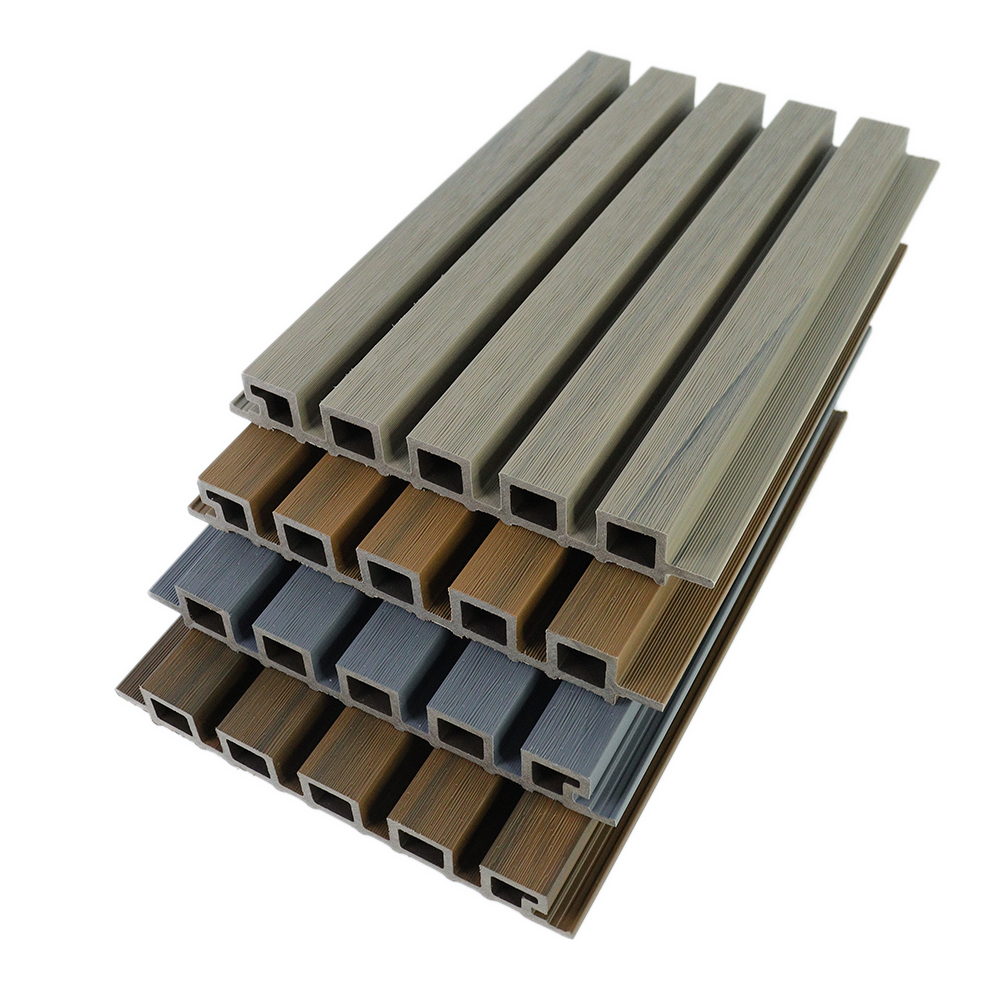
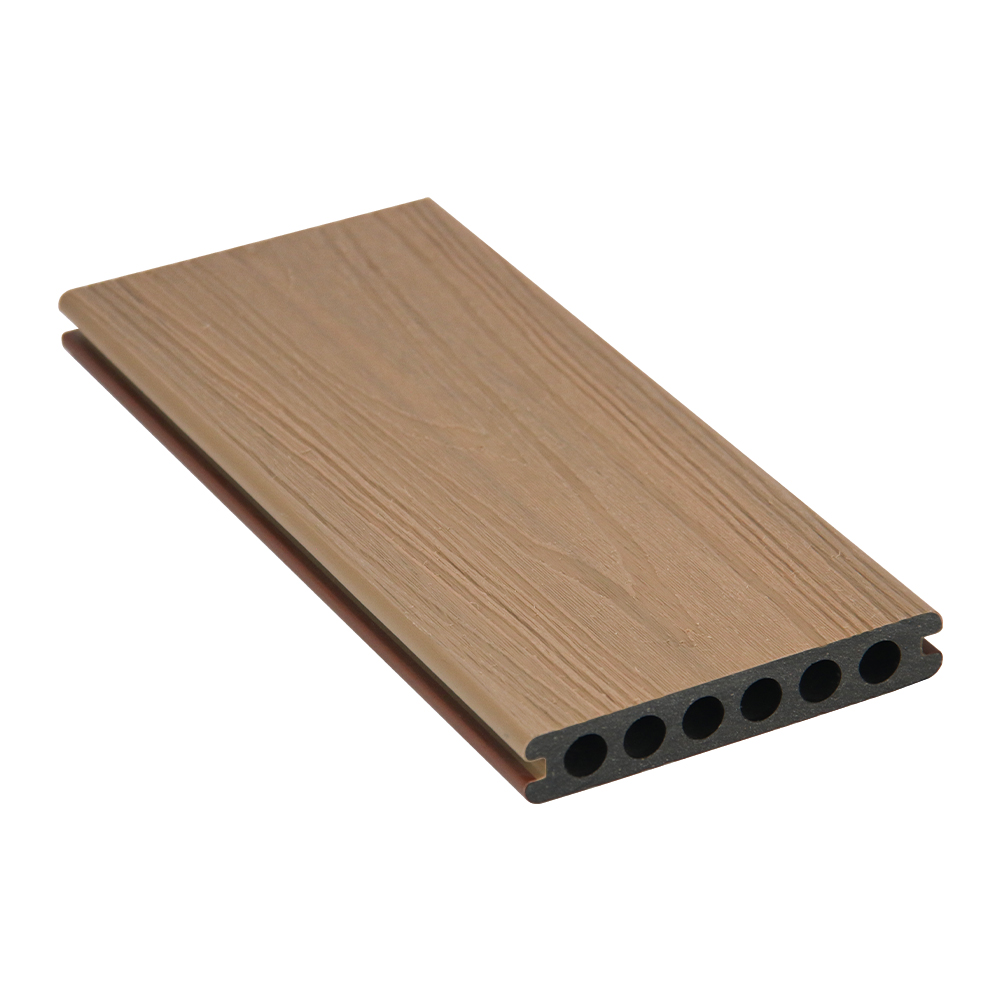
WPC decking tiles combine recycled wood fibers and plastics to create boards that resist warping, cracking, and fading. Compared to timber tiles, WPC requires minimal maintenance, is weather-resistant, and comes in a variety of colors and textures.
Ideal Applications
WPC tiles are perfect for residential patios, balconies, rooftops, garden paths, or light commercial areas. Their interlocking design allows quick installation and flexible layout options.
Tools and Materials Needed
WPC Decking Tiles Types
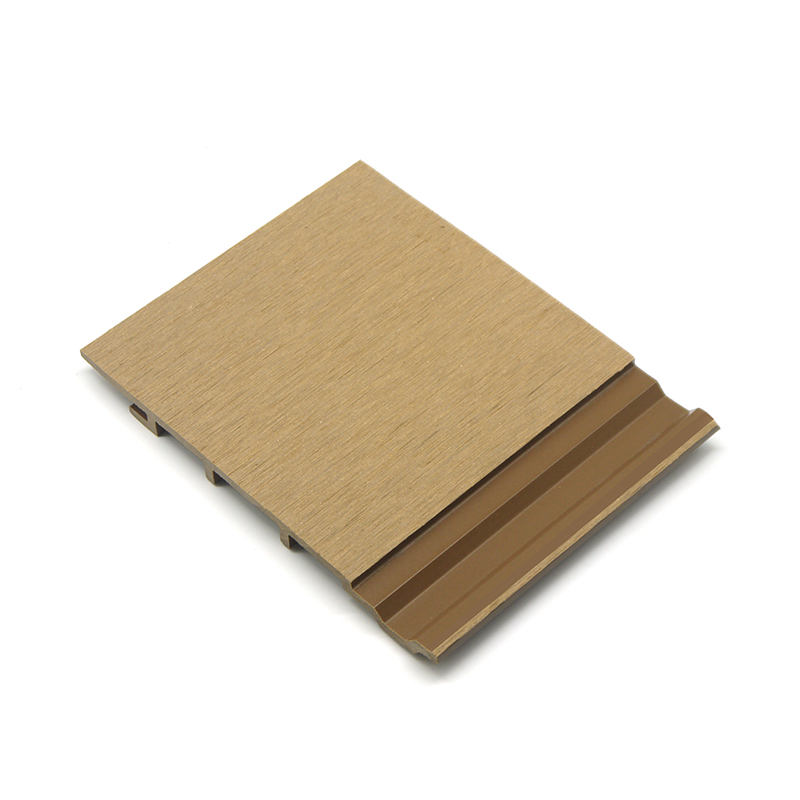
Available in solid and hollow designs, WPC tiles range from 300x300mm to 500x500mm. Solid tiles are recommended for high-traffic areas, while hollow tiles are lightweight and ideal for DIY projects.
Subframe and Accessories
A stable subframe or deck base ensures long-term durability. Accessories include clips, screws, spacers, and edge trims.
Tools Checklist
- Measuring tape and pencil
- Circular saw (if cutting tiles)
- Drill and screws
- Level
- Rubber mallet
- Protective gloves
Step-by-Step Installation Guide
Preparing the Surface
Ensure the surface is clean, dry, and level. Remove debris, weeds, or old flooring. Check for proper drainage to prevent water pooling.
Laying the Subframe
Install a subframe using treated timber, aluminum, or composite joists. Maintain even spacing (typically 300–500mm) to support tiles and allow expansion.
Installing Decking Tiles
- Start at one corner, aligning tiles carefully.
- Connect interlocking edges, ensuring tiles are flush and level.
- Cut tiles as needed to fit edges or corners using a circular saw.
- Secure tiles using clips or screws, depending on system design.
Finishing Touches
Install edge trims or borders for a clean, professional finish. Inspect the deck for any uneven tiles or gaps.
Tips for Extreme Climates and High-Traffic Areas
Expansion Gaps
Leave at least 5–8mm gaps between tiles for thermal expansion, especially in hot regions.
Coastal and UV-Intense Regions
Use UV-resistant WPC tiles with corrosion-resistant fasteners. Tiles exposed to salt air or strong sunlight benefit from periodic cleaning.
Heavy Foot Traffic Areas
Solid WPC tiles are preferable for areas with frequent use, such as public patios, outdoor restaurants, or school terraces.
Maintenance for Longevity
Cleaning and Mold Prevention
Wash tiles with water and mild detergent every 1–2 months. For mold or algae, use a soft brush and neutral cleaner.
Inspecting for Wear and Damage
Check for loose tiles or scratches. Replace damaged tiles promptly to maintain a uniform appearance.
Conclusion: Enjoy Your WPC Decking Tiles
Installing WPC decking tiles is straightforward with proper planning and the right tools. Whether for residential patios, balconies, or light commercial spaces, these tiles offer durability, low maintenance, and long-lasting aesthetic appeal. Following this guide ensures your WPC deck remains safe, functional, and beautiful for years to come.
Related Blogs
WPC Fencing for Schools, Parks & Government Projects in Australia
WPC vs Timber Decking in Coastal Areas: Durability, Cost & Maintenance
Park Decking Materials Australia | Durable Decking for Public Spaces
WPC Decking for Australian Council Projects | Public Space & Infrastructure Solutions