Park Decking Materials Australia | Durable Decking for Public Spaces
Park Decking Materials for Australian Public Spaces
Public parks and open spaces play a vital role in Australia’s urban and regional communities. From metropolitan green corridors to coastal reserves and suburban playgrounds, these environments require durable, safe, and visually consistent decking systems that can perform under constant public use. Selecting the right park decking materials is therefore an engineering decision as much as an aesthetic one.
Across Australia, councils and project consultants are moving away from traditional timber solutions and adopting engineered decking systems that offer predictable performance, reduced maintenance, and long-term asset value.
Performance Demands in Australian Park Environments
Park decking is exposed to far more demanding conditions than residential applications. Daily foot traffic, bicycles, prams, maintenance vehicles, and seasonal events place continuous stress on walking surfaces. At the same time, materials must withstand UV exposure, rainfall, temperature variation, and occasional flooding depending on location.
In many Australian parks, decking connects playgrounds, seating areas, wetlands, and recreational zones. These walkways must remain structurally stable, slip-resistant, and visually uniform throughout their service life, regardless of climate or usage intensity.
Structural Stability for High-Traffic Public Areas
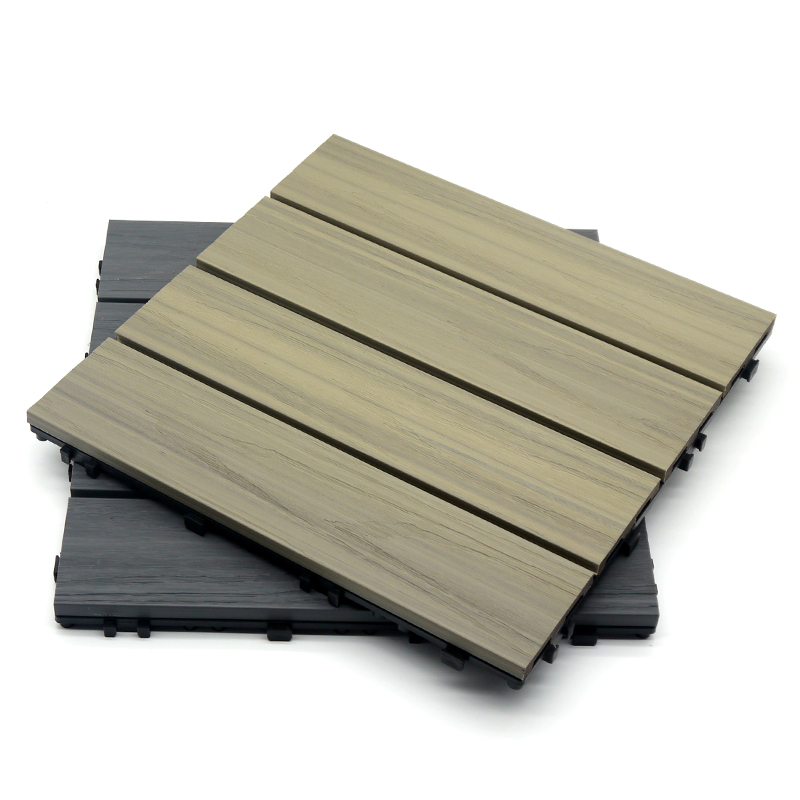
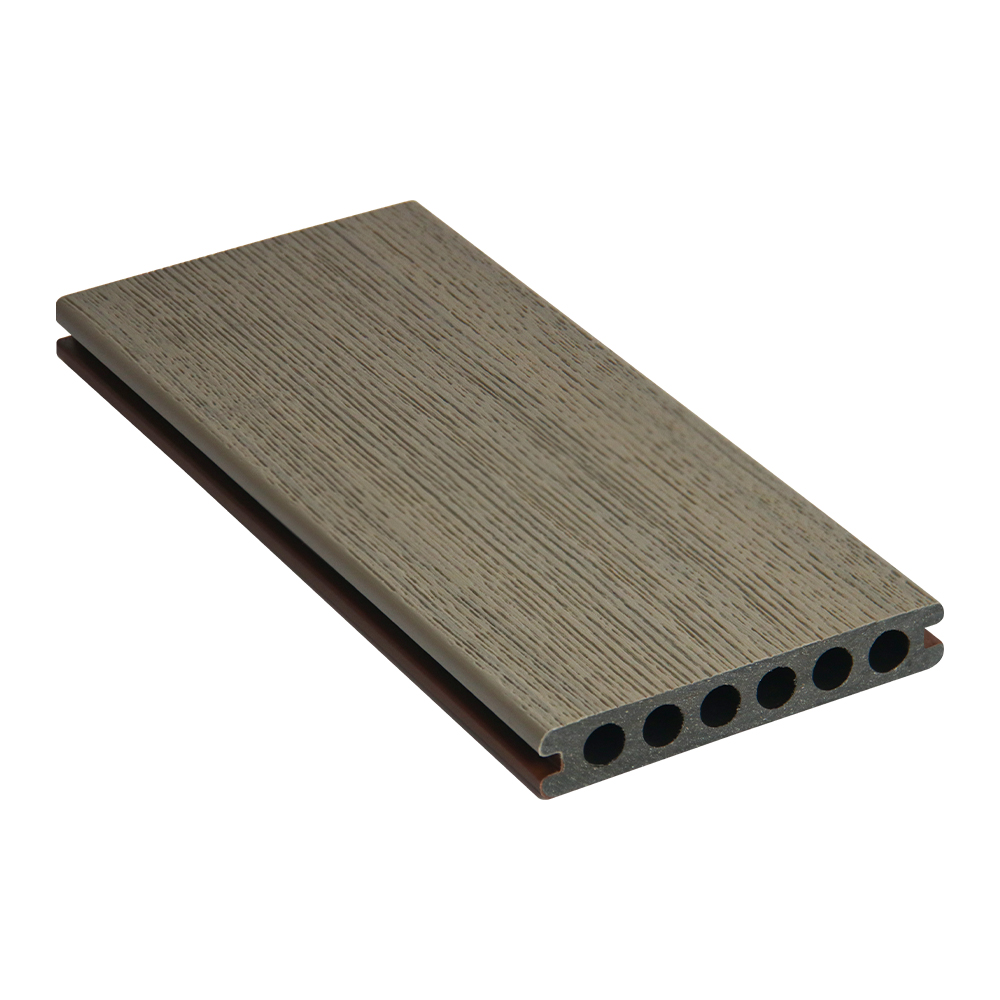
Engineered park decking materials are designed with consistent density and board geometry, allowing predictable load performance. This consistency enables engineers to specify accurate joist spacing and fastening systems, reducing deflection and long-term movement.
Unlike natural timber, engineered decking does not suffer from uneven shrinkage or splitting. This stability is particularly important in public parks, where surface irregularities can quickly become safety hazards and lead to increased liability for asset owners.
Slip Resistance and Public Safety Compliance
Slip resistance is a critical requirement for park decking in Australia, especially in shaded areas, near water features, or in regions with high rainfall. Modern decking materials for public spaces incorporate engineered surface textures that maintain grip under wet and dry conditions.
These surfaces help councils meet safety requirements for pedestrian zones while reducing the need for additional anti-slip treatments. Concealed fastening systems further improve safety by eliminating exposed fixings and reducing trip hazards in high-use areas.
Weather and UV Performance Across Australia
Australia’s climate diversity presents unique challenges for outdoor materials. Park decking in northern regions must resist humidity and moisture-related issues, while installations in southern and inland areas must endure intense UV exposure and temperature variation.
Engineered decking materials are developed to resist fading, surface degradation, and moisture absorption. Colour stability and surface integrity are maintained over time, ensuring that public spaces retain a clean, consistent appearance without frequent refurbishment.
Integration with Park Infrastructure Design
Park decking is rarely a standalone element. It must integrate seamlessly with lighting, handrails, ramps, seating, and landscaping features. Engineered decking systems are compatible with aluminium or steel substructures, making them suitable for elevated walkways, ramps, and viewing platforms.
Proper ventilation and drainage beneath decking surfaces are essential in public parks. Engineered systems allow for controlled airflow and water runoff, reducing the risk of moisture-related issues and extending the overall service life of the installation.
Application in Australian Park Projects
In a regional park upgrade project, an ageing timber walkway connecting picnic areas and playground zones was replaced with an engineered decking system. The original timber had deteriorated rapidly due to moisture exposure and heavy foot traffic, requiring frequent repairs.
The new decking installation delivered improved surface safety, consistent appearance, and reduced maintenance requirements. Routine inspections now focus on general cleaning rather than structural repairs, allowing council maintenance teams to allocate resources more efficiently across multiple park assets.
Long-Term Asset Management Benefits for Councils
For Australian councils, park infrastructure must be managed over decades rather than years. Engineered decking materials offer predictable lifecycle performance, making them easier to incorporate into long-term asset management plans.
Reduced maintenance, extended replacement intervals, and lower whole-of-life costs make engineered park decking an attractive solution for public budgets. Standardising decking materials across multiple parks also simplifies procurement and maintenance planning.
Sustainability in Public Park Decking
Sustainability is an increasingly important consideration in public projects. Many engineered decking systems utilise recycled content and reduce reliance on slow-growing hardwood resources. Longer service life also means fewer replacements and less material waste over time.
For councils and designers focused on environmentally responsible development, engineered park decking aligns with broader sustainability objectives while delivering reliable performance.
Conclusion
Choosing the right park decking materials is essential for the success of Australian public spaces. Engineered decking systems provide the durability, safety, and long-term value required for high-traffic park environments. By balancing performance, maintenance efficiency, and sustainability, these materials support the creation of safe, functional, and enduring public landscapes across Australia.
Related Blogs
How Australian Councils Select Decking Materials for Parks and Public Walkways
Designing Durable Public Walkways: Decking Solutions for High-Traffic Parks
Engineering Considerations for Park Decking in Australian Public Spaces
Low-Maintenance Decking Systems for Australian Parks and Community Areas